
The Municipal Government of Villa Nueva officially established the Los Palmares de Villa Nueva Integrated Natural Management Area (Area Natural de Manejo Integrado – ANMI) on October 23rd, 2025. The new area spans 472,739 acres (191,311 hectares) of Amazonian forests, enhancing ecological connectivity in Bolivia’s Department of Pando. Less than a month later on November 18th, the Guardián Amazónico Pacahuara Integrated Natural Management Area covering 1,344,508 acres (544,103 hectares) just to the north of Palmares de Villa Nueva was established by the Municipal Government of Santos Mercado. Together these two areas span a combined 1,817,247 acres (735,414 hectares) of intact Amazonian forests and water sources that connect with an extensive conservation mosaic in the Department of Pando. This is a significant step forward for the conservation of the Western Amazon that consolidates key ecological connectivity in the Peru-Bolivia-Brazil transboundary region.
Los Palmares de Villa Nueva
Enhancing Connectivity for Biodiversity
“The true strength of Los Palmares de Villa Nueva lies in its ability to connect territories and lives. By linking with other protected areas, it ensures that the Amazon continues to function as a vast ecosystem where species can move freely”, mentions Eduardo Forno, Vice President of Conservation International Bolivia.
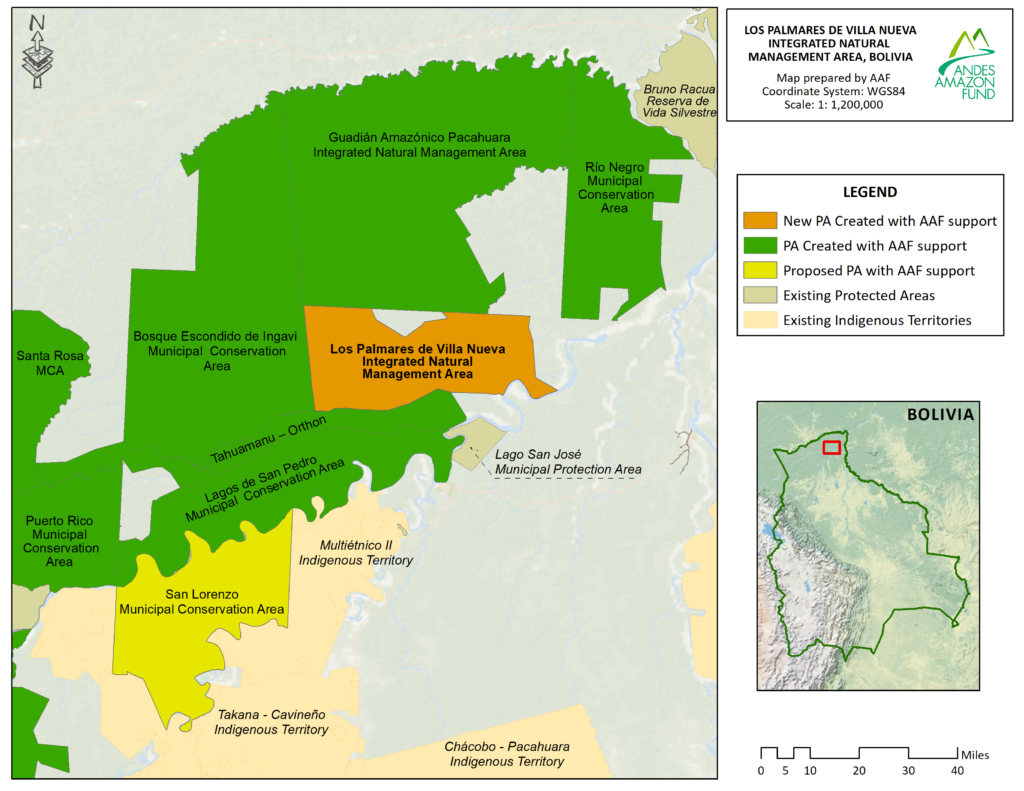
Los Palmares de Villa Nueva neighbors the Bosque Escondido de Ingavi Municipal Protected Area and the Tahuamanu-Orthon Departmental Natural Heritage Area and creates ecological continuity that extends to the Manuripi Wildlife Reserve and reaches the high Andean region of Apolobamba, spanning an area of 20 million acres (8 million hectares), a combined area nearly the size of Panama.
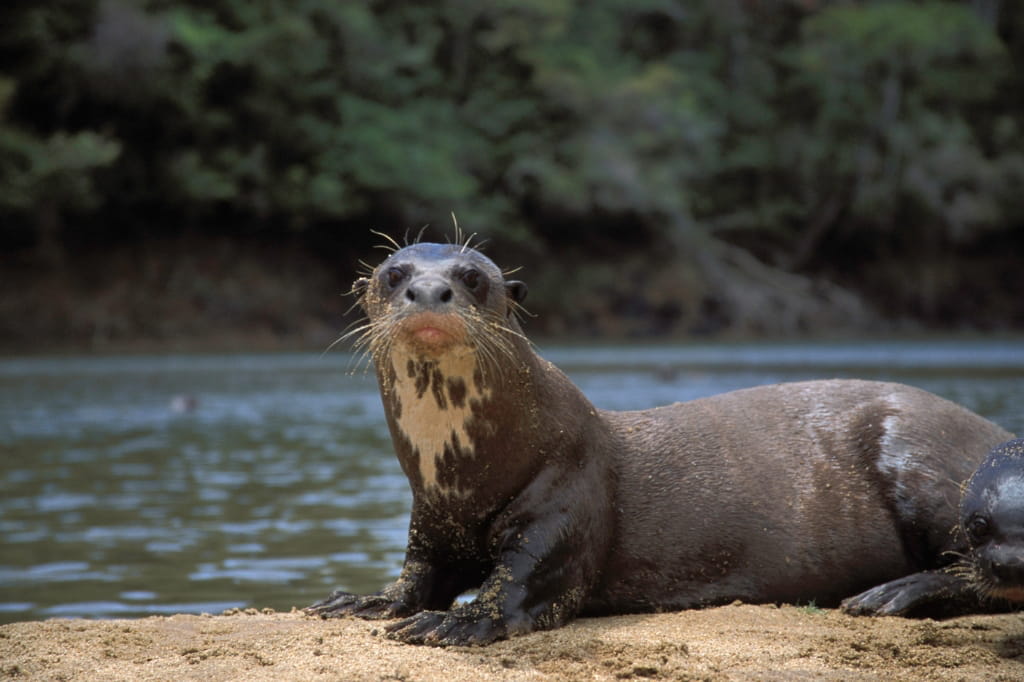
The area’s biodiversity is reflected in the 2,425 fauna species whose distribution ranges include Los Palmares de Villa Nueva, with 28 species classified as threatened by the International Union for the Conservation of Nature (IUCN). These include the endangered giant river otter (Pteronura brasiliensis) and spider monkey (Ateles chamek) while vulnerable species Include the tapir (Tapirus terrestris), harpy eagle (Harpia harpyja), and giant armadillo (Priodontes maximus).
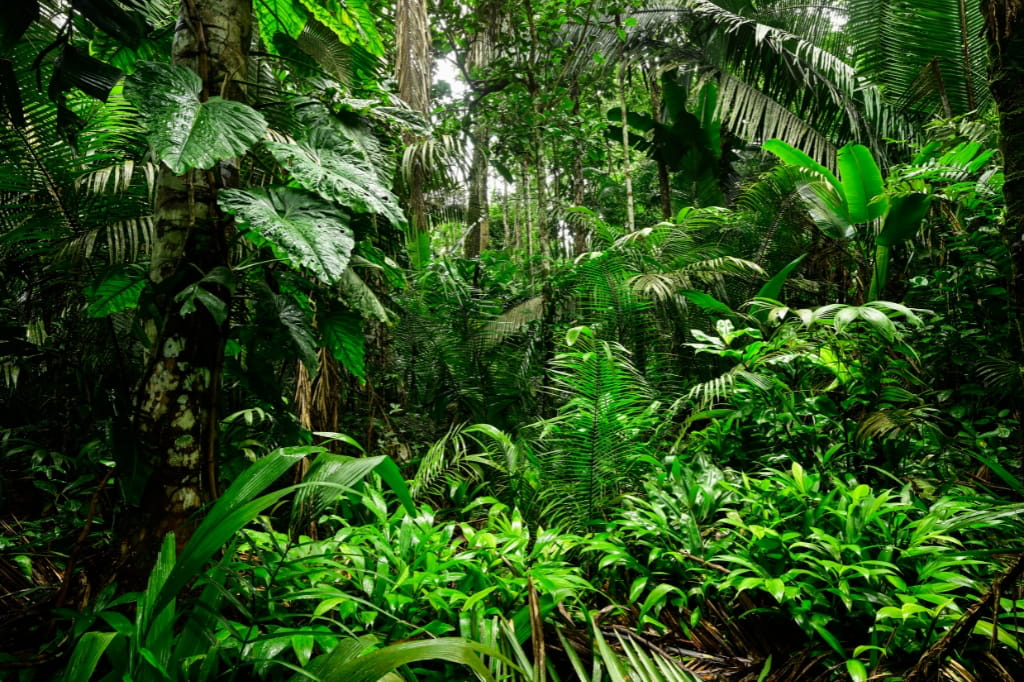
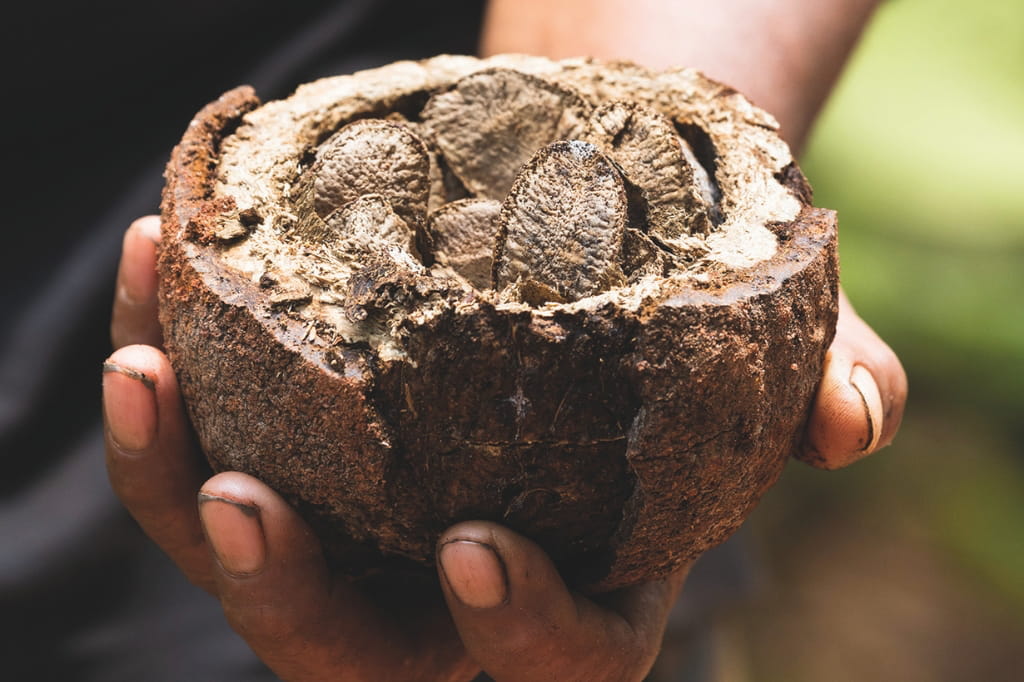
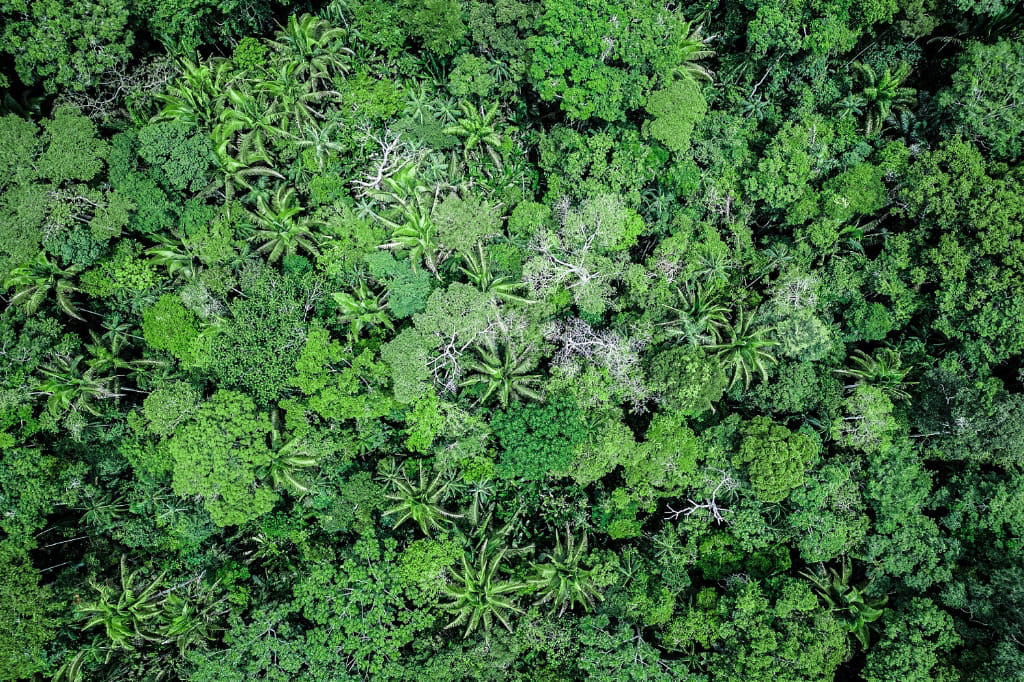
In addition to the high ecological value and connectivity of the ecosystems, the area protects water bodies and lakes between the Negro and Orthon Rivers and forests composed of populations of native Amazonian tree species such as Brazil nut (Bertholletia excelsa), açaí (Euterpe precatoria), majo (Oenocarpus bataua), rubber (Hevea brasiliensis), copaibo (Copaifera reticulata), cedar (Cedrela odorata), ishpingo (Amburana cearensis), and tajibo trees (Handroanthus spp.)
Ensuring Sustainability in Pando’s Forests
The establishment process was a collaborative effort between local communities and conservation stakeholders to promote environmental management at the local level. Marcelo Tuchani, Mayor of the Municipality of Villa Nueva, emphasized the value of this conservation effort for the future: “The importance of the protected area is to strengthen our communities and protect our forests and all that relates to our wildlife, also thinking about future generations.”
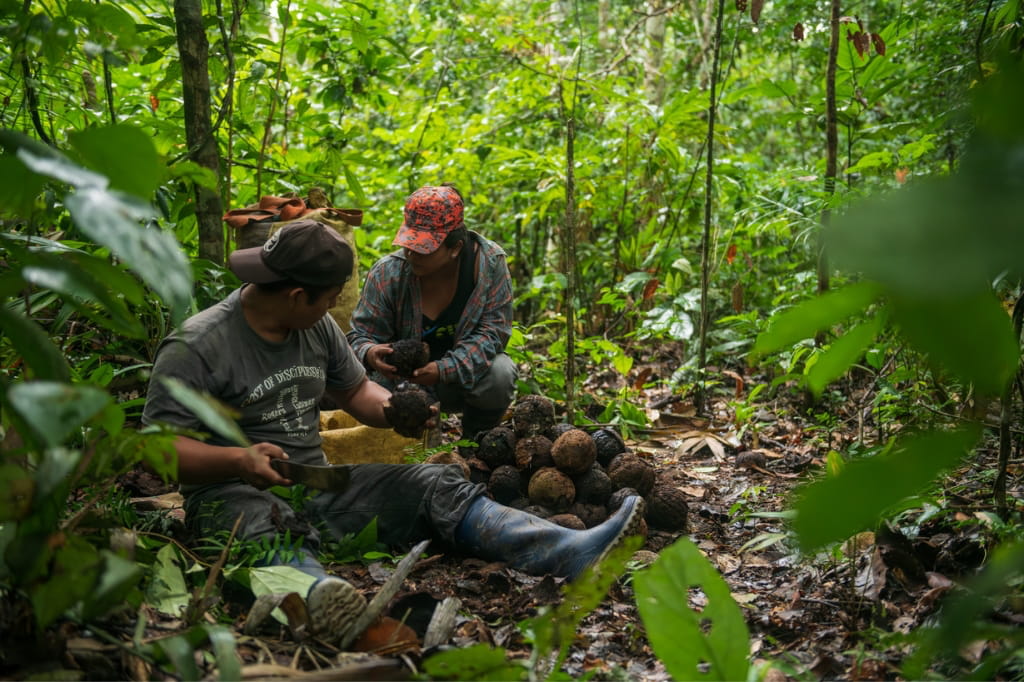
Key objectives of the ANMI’s establishment are to foster environmental education and traditional knowledge at the local level, coordinate between institutions and communities to strengthen environmental management programs including restoration of degraded areas with native species, and to guarantee the protection of the local rivers, forests and wildlife.
In the Municipality of Villa Nueva, Brazil nuts account for up to 91% of household income and are the basis of the local bioeconomy. The new ANMI creates opportunities for the sustainable use of these forest products which also include açaí, majo, and cacao. These products sustain livelihoods while promoting forest regeneration and biodiversity conservation.
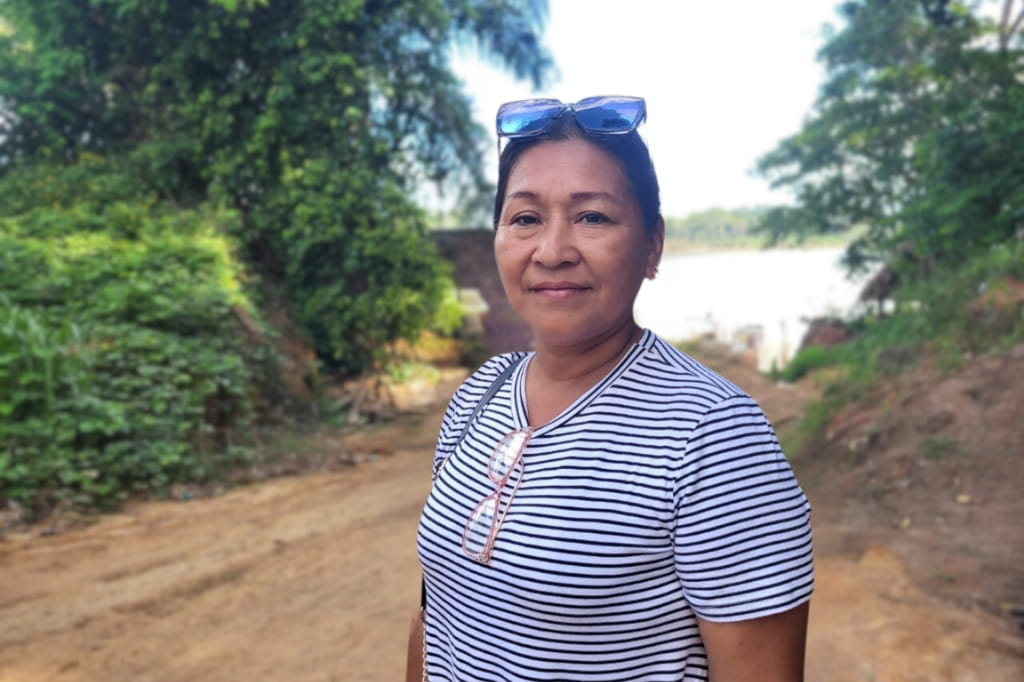
The establishment of Los Palmares de Villa Nueva has been an effort of many. As Mirtha Vaca, Councilwoman of the Villa Nueva Municipal Government notes: “The establishment of the Integrated Natural Management Area was a collective process. From the signing of the agreement to the enactment of the law, every step was designed to leave something behind that benefits our communities and guarantees a better future.”
Guardián Amazónico Pacahuara
1.3 Million Acres Contributing to Pando’s Connectivity
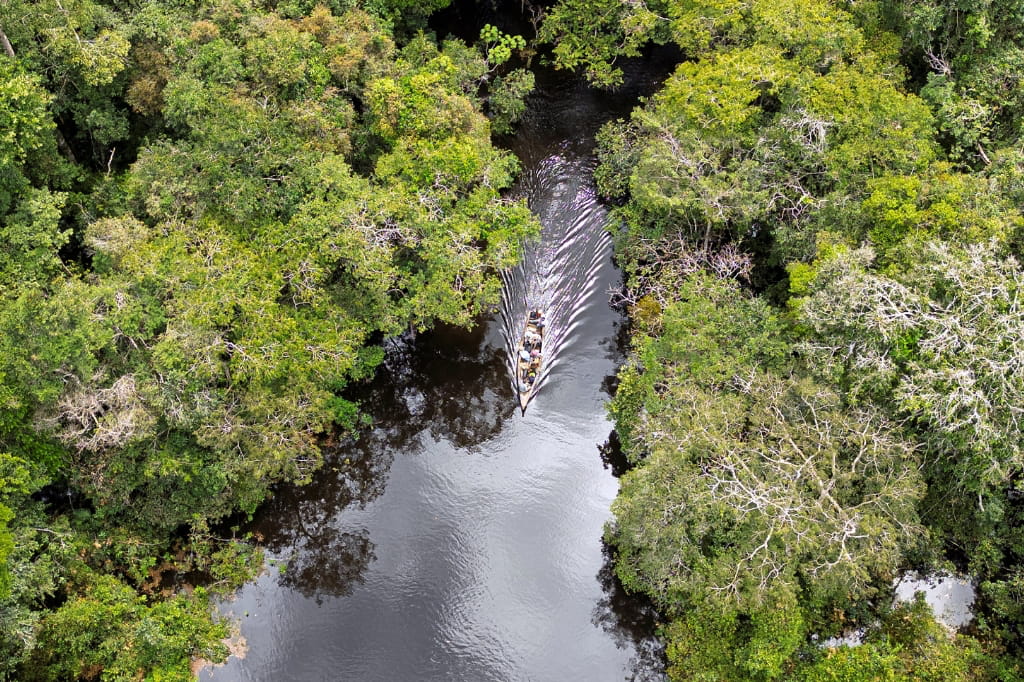
Covering 1,344,508 acres (544,103 hectares), the new Guardián Amazónico Pacahuara Integrated Natural Management Area borders Brazil to the north and, within Bolivia, the municipalities of Ingavi, Villa Nueva, and Nueva Esperanza. The territory consists of Amazonian forests rich in biodiversity and alluvial plains of the Abuná River basin and its tributaries (the Manu, Pacahuara, and Negro Rivers). Ericka Cortez, President of the Municipal Council, makes clear the importance of protecting these water resources for future generations: “The area was created to conserve the water from our four rivers, so that our children can enjoy what we have today. The past was deforestation; the present is conservation.”
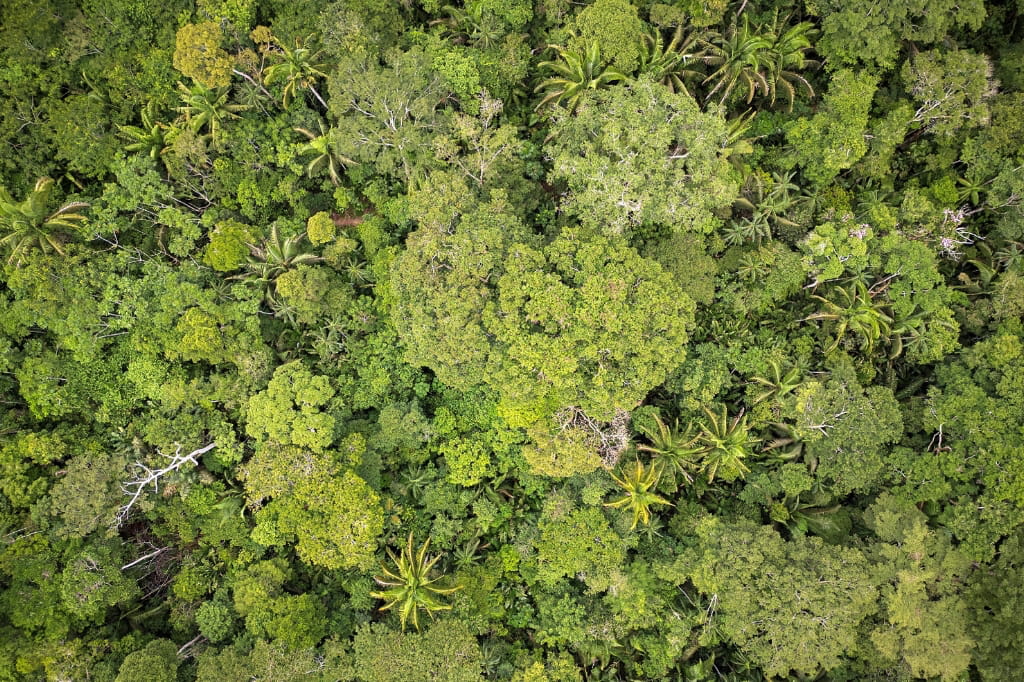
This new area, together with Los Palmares de Villa Nueva, consolidates a conservation mosaic in Pando which today covers 53% of the Department’s territory, extending from the Manuripi Wildlife Reserve (near to the Peruvian border) to the Bruno Racua Reserve (near to the Brazilian border).
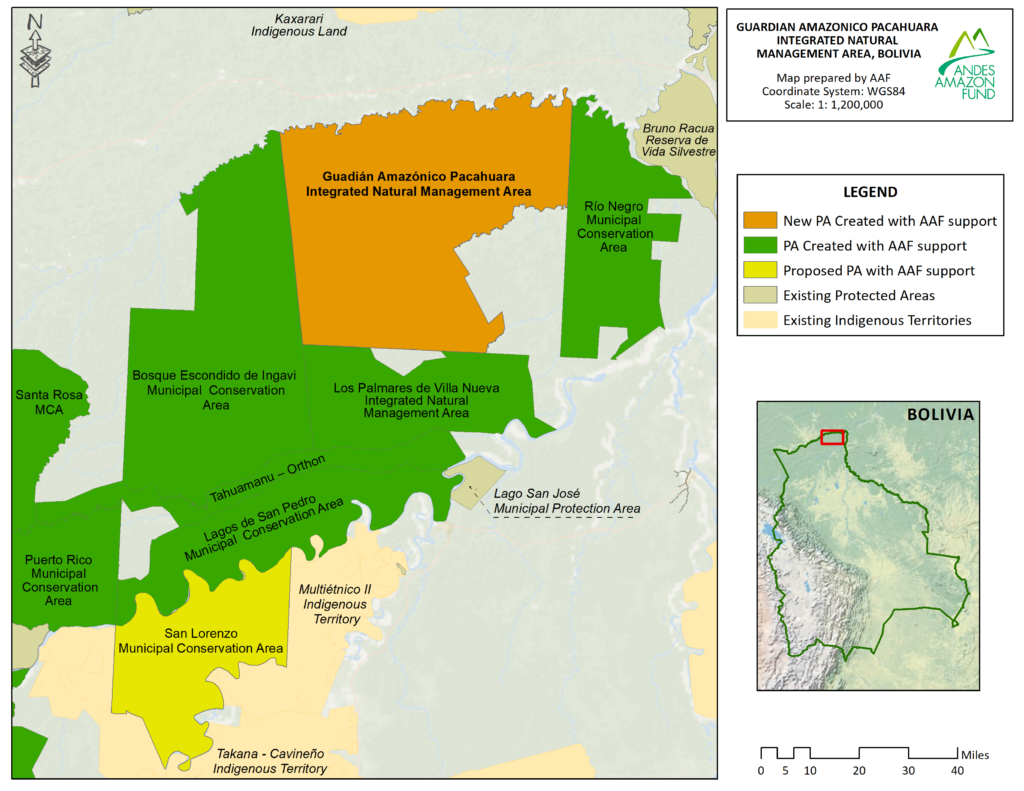
The area fills a key gap in connectivity. The new Guardián Amazónico Pacahuara ANMI, in addition to adjoining with the Los Palmares de Villa Nueva ANMI, also neighbours the Río Negro Amazonian Forest Municipal Protected Area, Bosque Escondido de Ingavi Municipal Protected Area, and Tahuamanu-Orthon Departmental Natural Heritage Area.
Protecting Endangered Amazonian Biodiversity
The area’s biodiversity consists of 2,514 identified fauna species, 35 of which are threatened according to the IUCN. Endangered species present include the Amazon river dolphin (Inia boliviensis), the giant river otter (Pteronura brasiliensis), and the spider monkey (Ateles chamek). Due to its vast size, the area offers an ideal habitat for viable populations of large mammals such as the jaguar (Panthera onca), tapir (Tapirus terrestris), and giant anteater (Myrmecophaga tridactyla), as well as various herds of white-lipped peccary (Tayassu pecari).
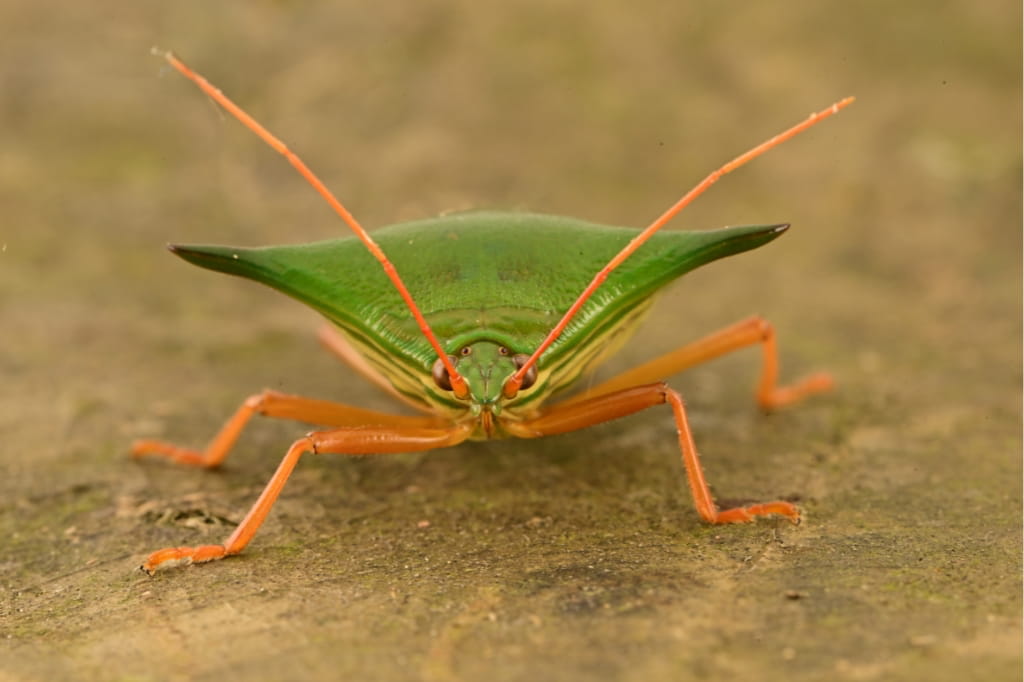
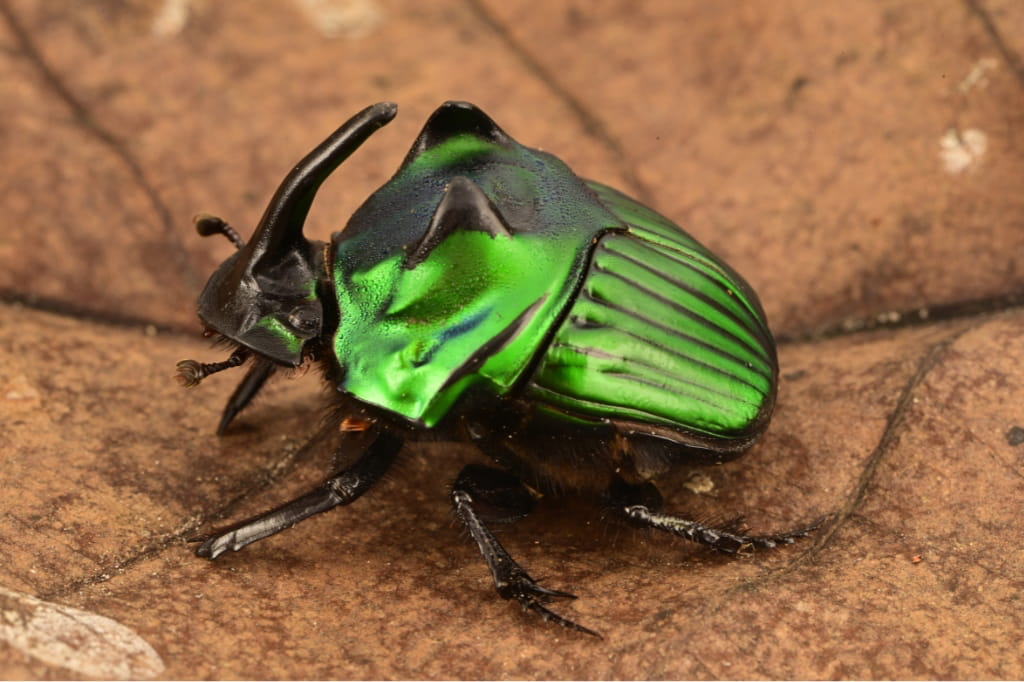
The establishment of Guardián Amazónico Pacahuara was based on biological criteria confirmed through a Rapid Assessment Program on biodiversity led by Conservation International Bolivia in March 2025, in partnership with national scientific institutions. “This study confirmed the remarkable biological richness of the region, and although the results are still being analyzed, it is expected to reveal new species and valuable records for science and environmental management,” said Eduardo Forno, Vice President of Conservation International Bolivia.
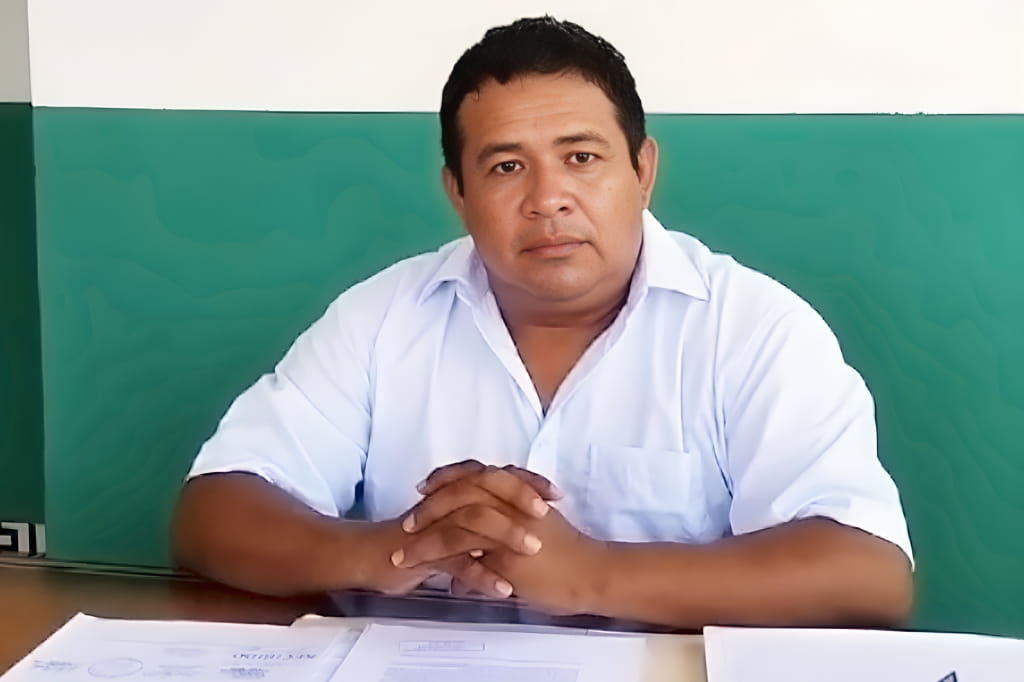
The new Protected Area has strong support from the local authorities. Samuel Heredia, Mayor of the Municipality of Santos Mercado, states: “Our municipality conserves almost 80% of its intact forests, and that is a point of pride. With the new law, we will guarantee the protection of this area.”
Acknowledgements:
The establishment of the Los Palmares de Villa Nueva ANMI was made possible by the Municipal Government of Villa Nueva and the establishment of the Guardián Amazónico Pacahuara ANMI was made possible by the Municipal Government of Santos Mercado both made possible through the Bosques para Siempre project, implemented by Conservation International Bolivia together with Conservación Amazónica–ACEAA, with financial support from Andes Amazon Fund, Rainforest Trust, the Embassy of Sweden, and the European Union.
MAKE AN IMPACT
Learn how we can make an impact in our world together. Donate or get involved by subscribing to our email list: