
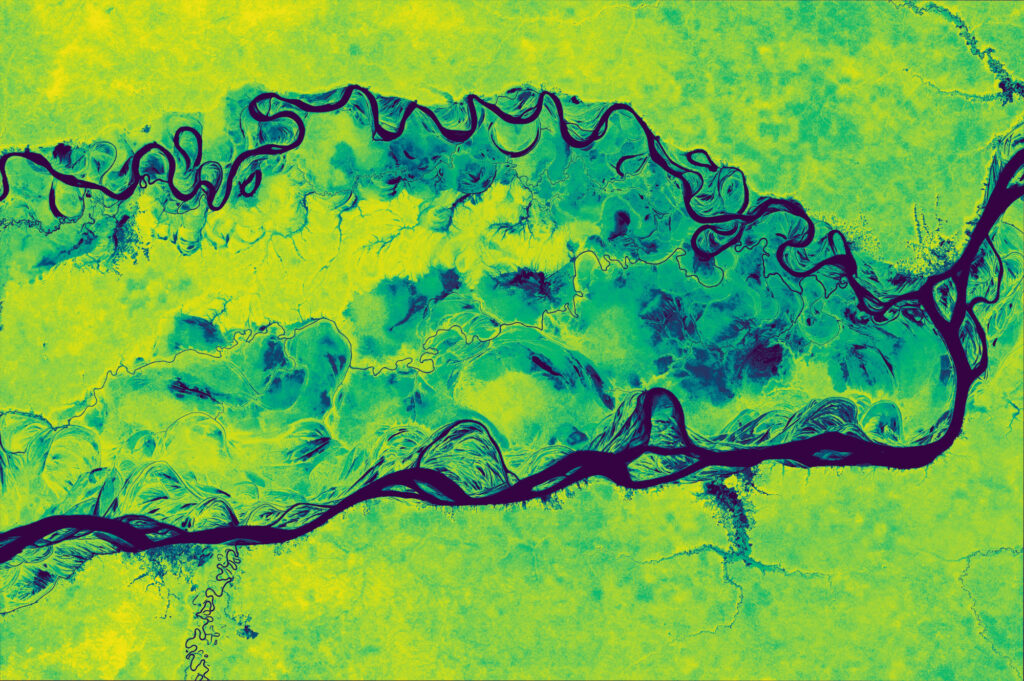
Fusing satellite and ground sensors in a biome-wide network, the initiative leverages robust, AI-powered techniques to answer Amazonian decision-makers’ most critical conservation questions—accurately, cost-effectively, and in near-real time.
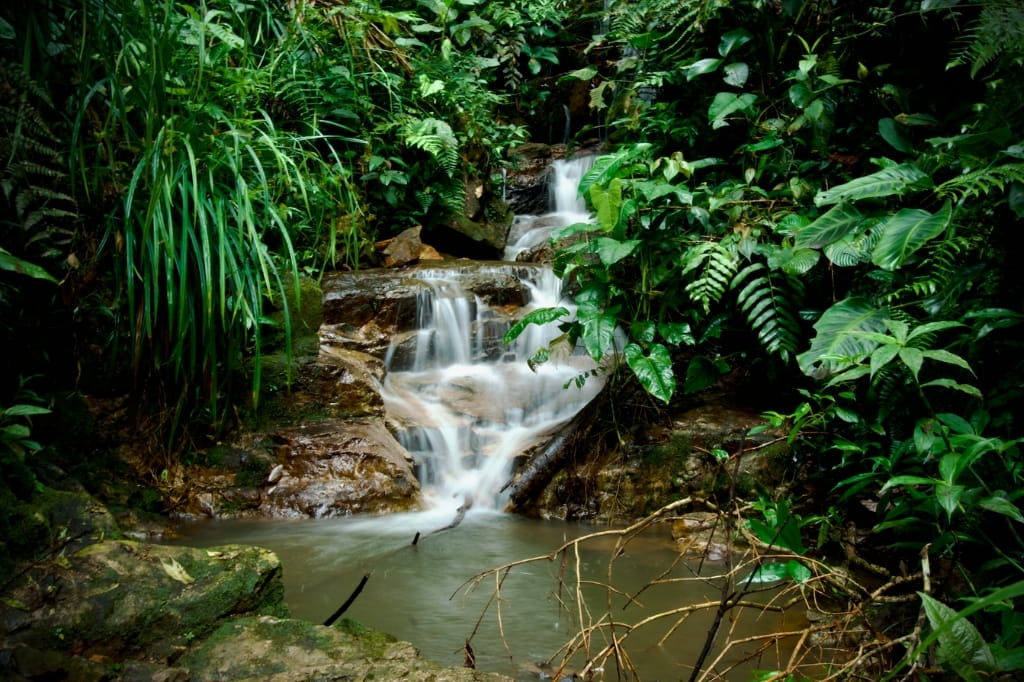
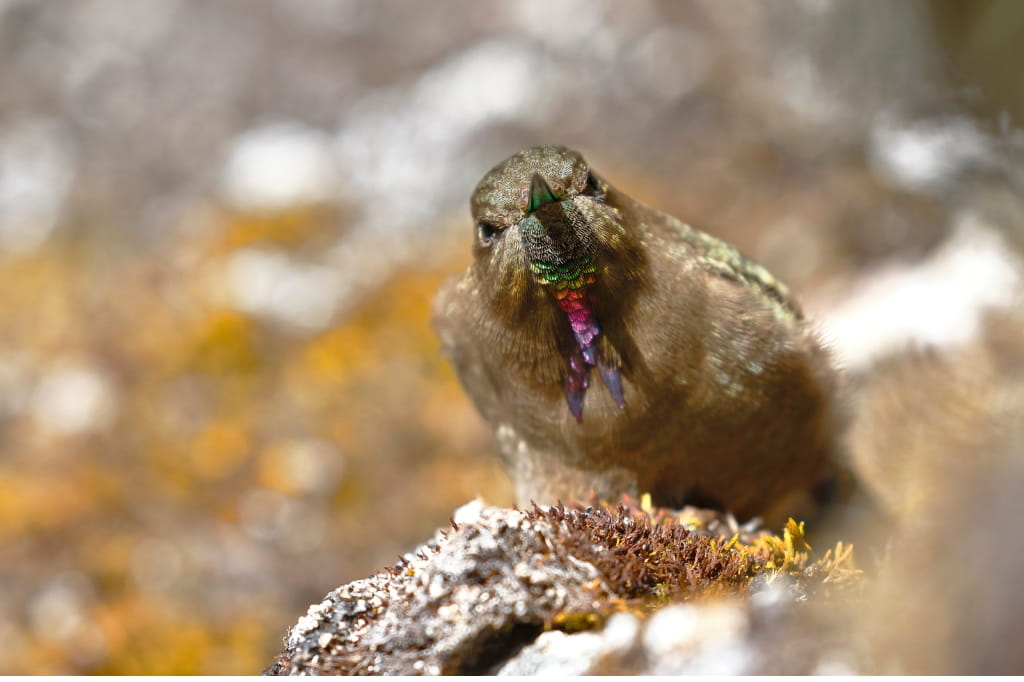
Protecting Runahurco means securing water for thousands of families while safeguarding one of the most threatened raptors in the Andes-Amazon transition zone.
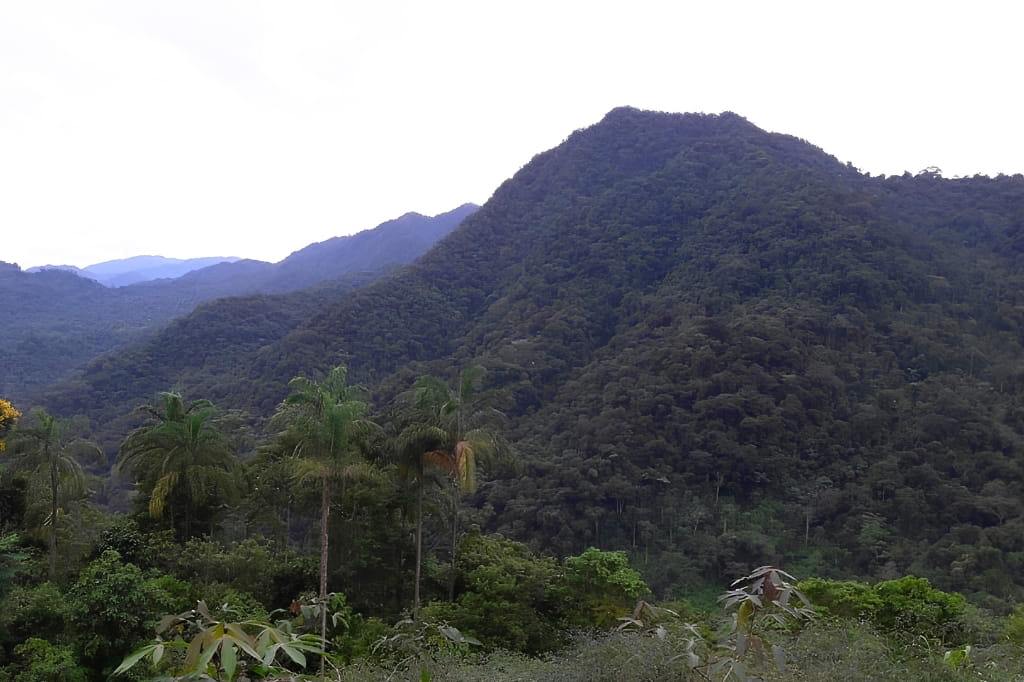
This biodiverse landscape of montane and cloud forest has been upgraded from a temporary “Reserved Zone” to a permanent national-level Protected Area.
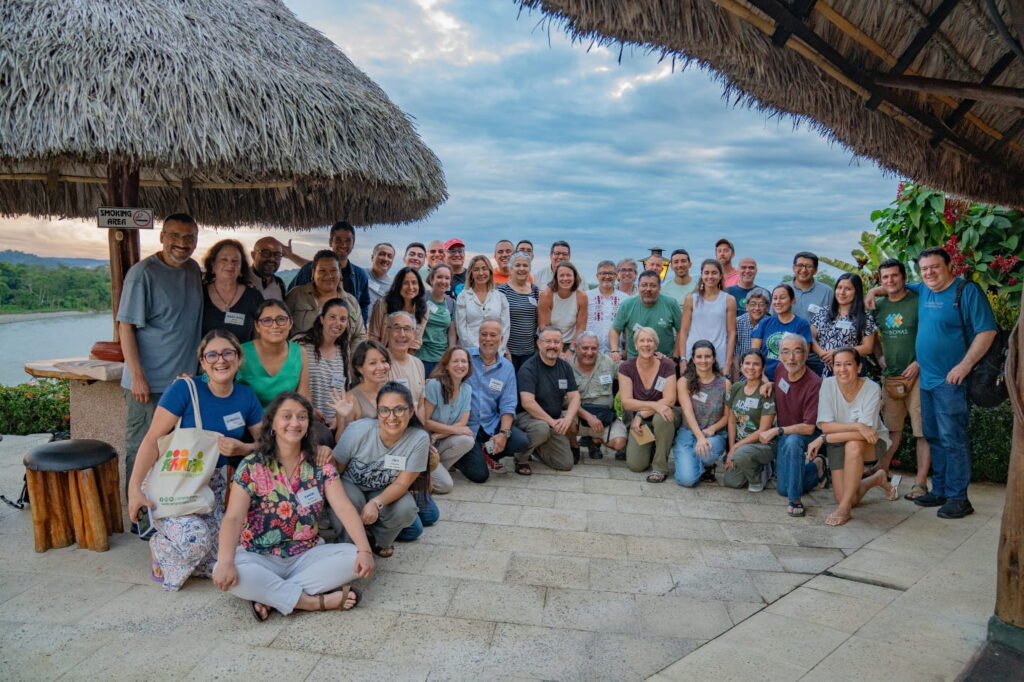
Amid the cobalt-winged parakeets and spiny walking palms of the Ecuadorian Amazon, 50 participants representing 15 organizations gathered in Napo, Ecuador for Andes Amazon Fund’s third annual Institutional Strengthening workshop.
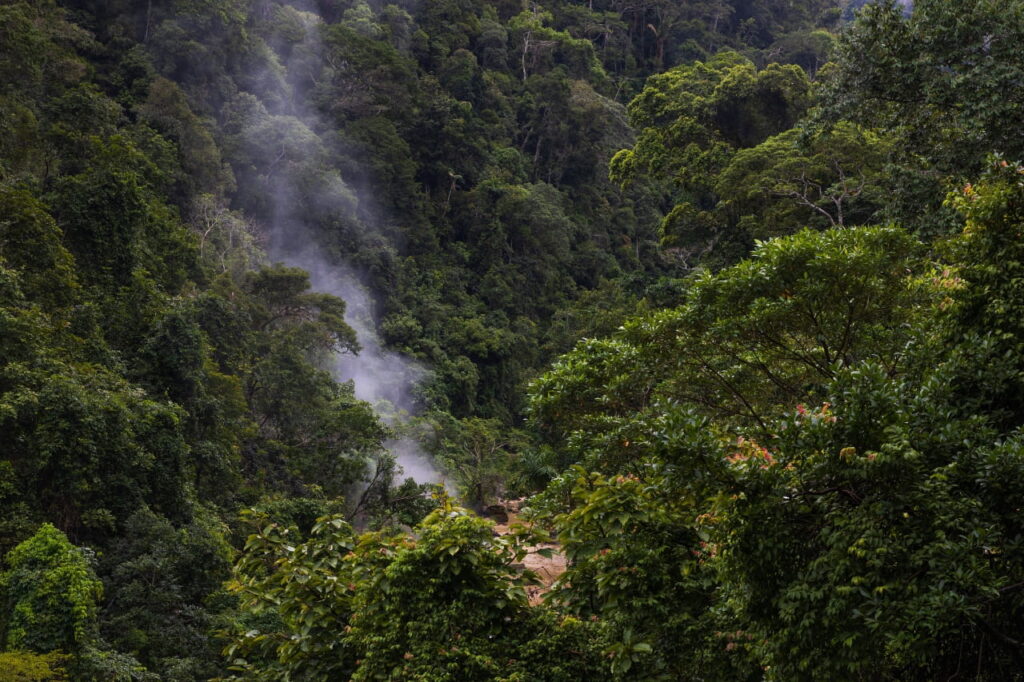
The new Aguas Calientes Maquia Regional Conservation Area (RCA) conserves 242,563 acres (98,162 hectares) of highly biodiverse Amazonian forests, wetlands, waterfalls and rivers that include unique hot springs and salt licks in Loreto, Peru.
Especialistas y equipos técnicos de 8 Áreas de Conservación Regional (ACR) de Cusco, Junín, Ayacucho y Tacna se reunieron en la ciudad del Cusco para fortalecer capacidades orientadas al monitoreo de la deforestación, el análisis de grillas y la evaluación y reporte del estado de conservación de las ACR del Perú.
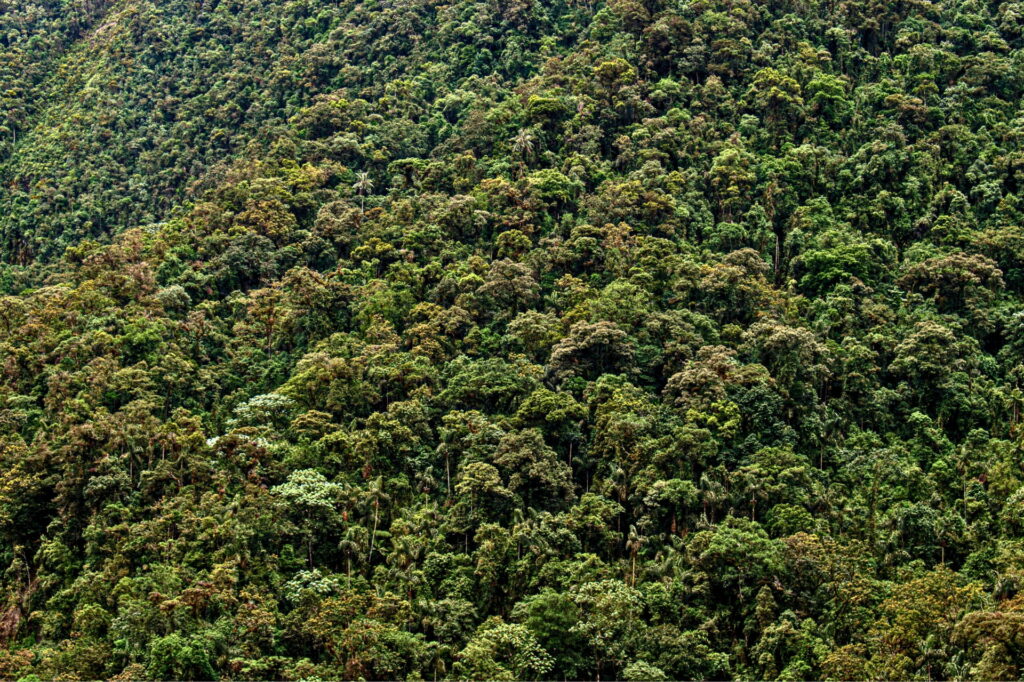
Established on February 24, 2026, the area—which is the largest protected area in Caldas—plays a fundamental role in the regulation and provision of water for 5 municipalities.
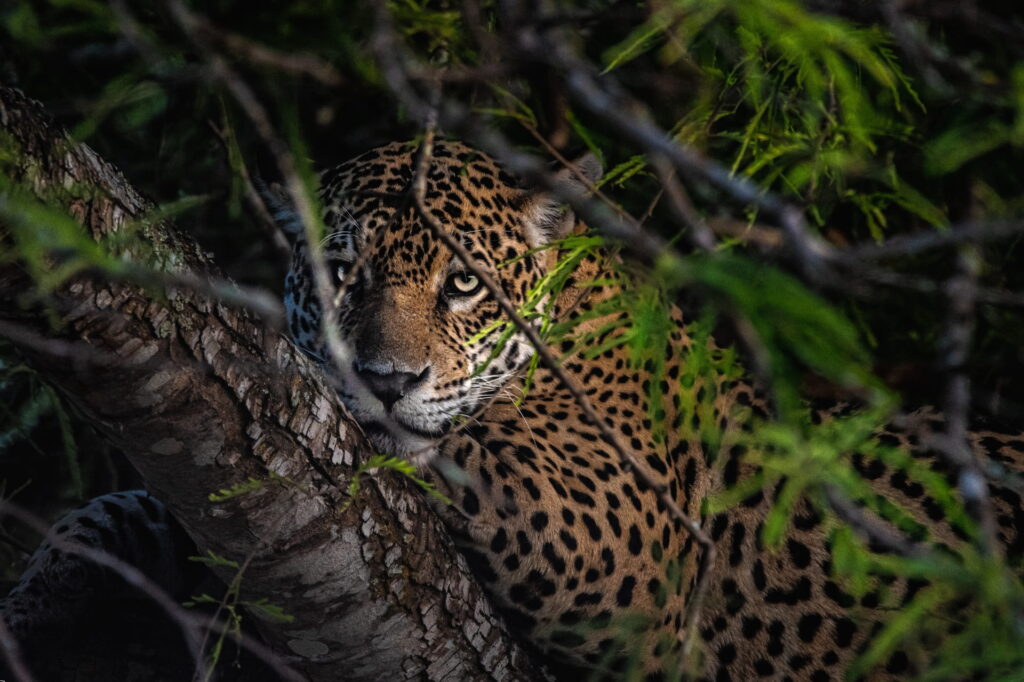
An additional 257,531 acres (104,219 hectares) of the Brazilian Pantanal – the world’s largest tropical wetland — are now protected with the March 2026 expansion of the Pantanal Mato-Grossense National Park and the Taiamã Ecological Station.
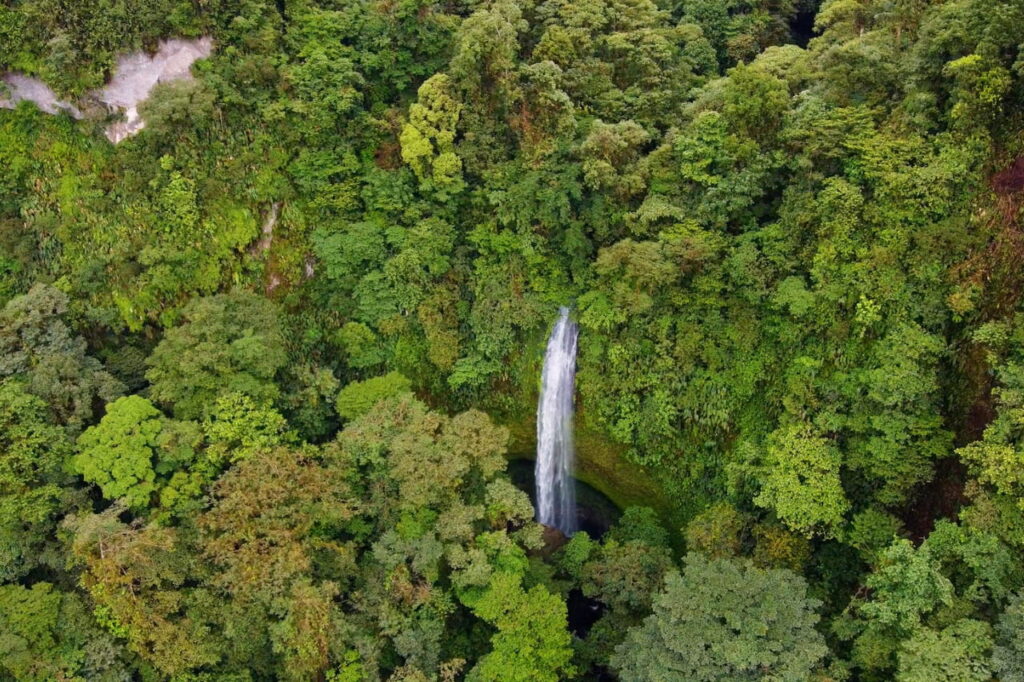
The Vida Sana del Chocó Conservation Area (which translates to “healthy life to the Chocó”) will directly benefit 44,431 inhabitants who live in or around it, including 11 Afro-Ecuadorian communities, 6 Awa communities, and one Chachi community.
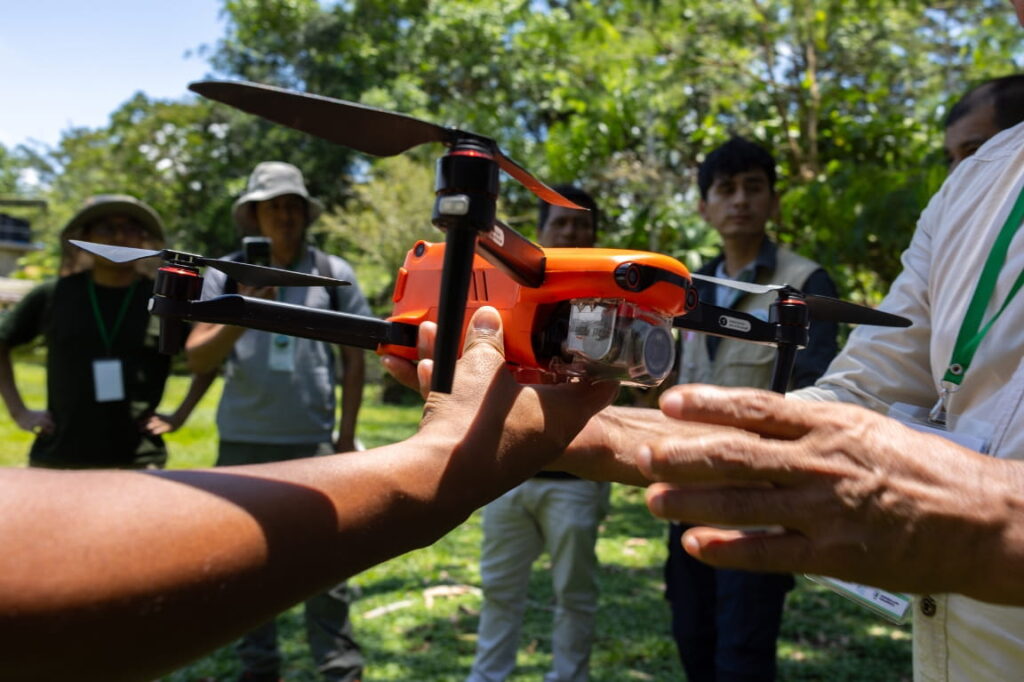
Entre finales de Septiembre y mediados de noviembre de 2025 se vivió una experiencia profundamente enriquecedora para la gestión de la conservación en el Perú: la capacitación del personal encargado de las Áreas de Conservación Regional (ACR) en la implementación de tecnologías para el control, la vigilancia y el monitoreo de la biodiversidad.