
On Tuesday, December 16, 2025, Colombia reached a tremendous milestone. President Gustavo Petro declared the formalization of the country’s first eight Indigenous Territorial Entities or “ETIs” as they’re colloquially known in Colombia, a new Indigenous-led land governance model.
According to AAF-grantee Gaia Amazonas Foundation, the territory now under the administration of the ETIs covers over 17.3 million acres (7 million hectares) of forest, which is about 15% of the Colombian Amazon region. Meanwhile there are 12 other Indigenous territories in the process of securing recognition as ETIs which would double the current area of forest under this new governance mechanism. For reference, the Amazon region makes up about 44% of Colombia’s territory and extends over more than 118.6 million acres (48 million hectares) across 7 departments.
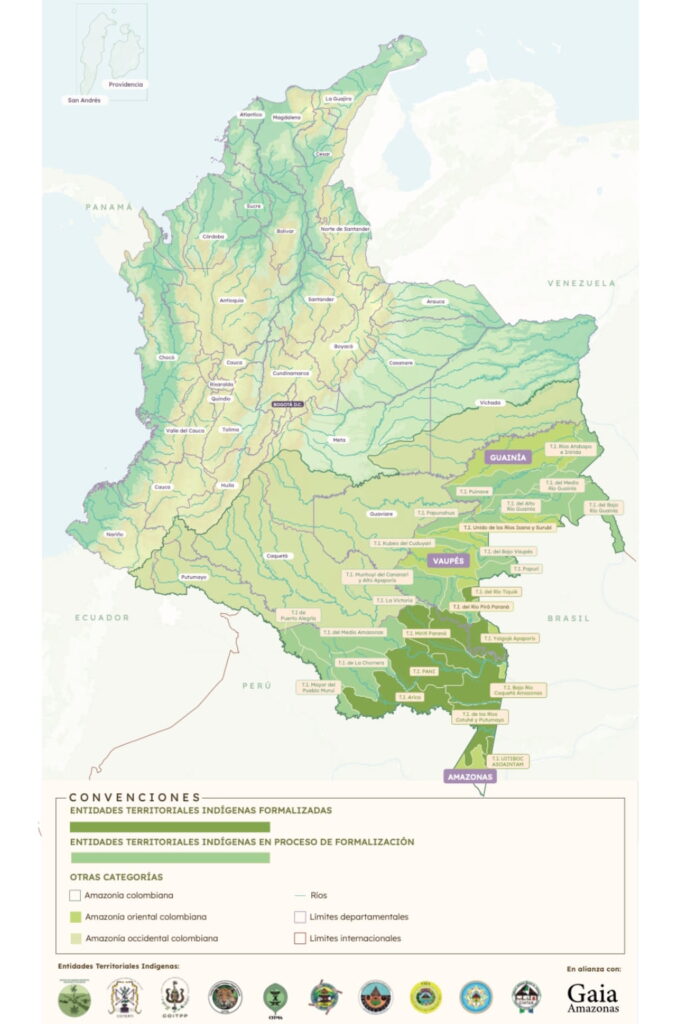
Click here to see a map of the ETIs
What are the ETIs?
In 2018, the concept of ETIs was first introduced in Decree 632. This Decree established the institutional norms for Indigenous territories and their associated Indigenous governments or councils that are located in areas lacking any regular municipal public administrative structure to have the same governance hierarchy from the Colombian state as municipalities. The departments that Decree 632 encompasses are Amazonas, Guanía, and Vaupés.
Decree 632 therefore established the institutional framework for strengthening Indigenous self-governance and self-determination in Colombia. With President Petro’s signature in late 2025, the first eight ETIs from the Indigenous governments of Yaigojé Apaporis, Mirití Paraná, Río Tiquié, Bajo Río Caquetá, PANI, ARICA, Ríos Cotuhé y Putumayo and UITIBOC-ASOAINTAM are now being implemented. This is not only a major milestone for the country’s Indigenous Peoples, but also for its Amazon forest.
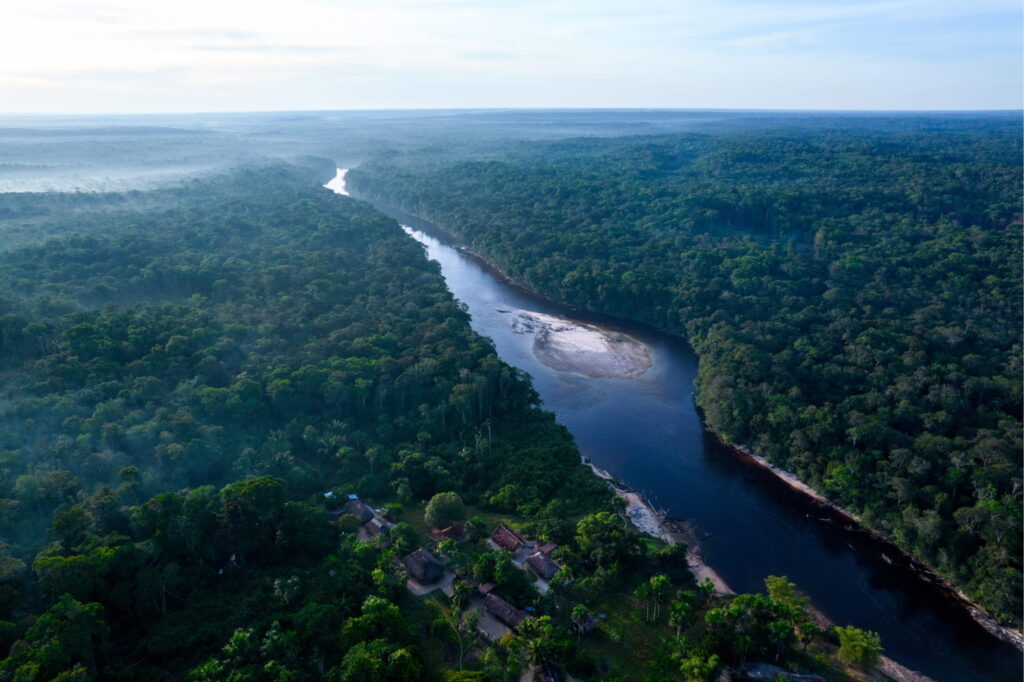
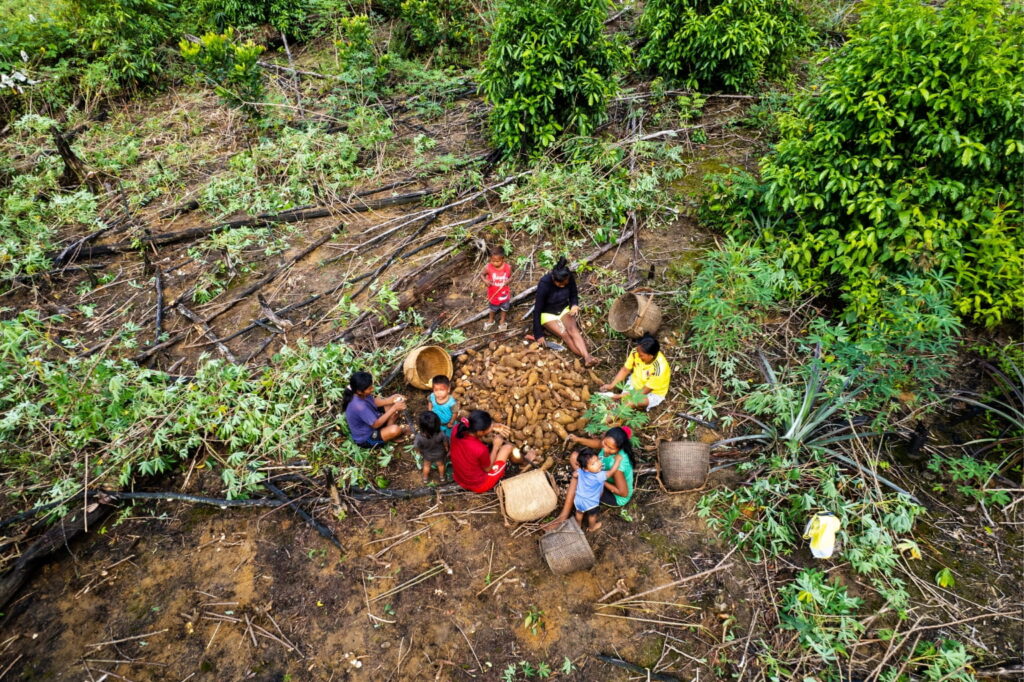
Why do the ETIs matter for conservation?
The importance of strengthening Indigenous territorial governance becomes clear when analyzing where deforestation happens. As of April 2025, nearly 3 million acres (1.2 million hectares) in the Colombian Amazon had been deforested over the last 10 years. In the Amazonian departments of Guaviare, Caquetá, Putumayo and Meta, which occupy a combined 25.6 million hectares, and employ regular municipal public administration, the average annual forest loss between 1985 and 2023 was 184,00 acres (74,500 hectares). In contrast, during the same period in the eastern Amazonian departments of Amazonas, Guainía and Vaupés, representing 57.3 million acres (23.2 million hectares) and are the departments containing the new ETIs, on average only 7,900 acres (3,200 hectares) of forest have been lost each year. The latter departments are locations where Indigenous Peoples continue to exercise their systems of governance, knowledge, and territorial management. The Monitoring of the Andes Amazon Program (MAAP) has also reported over the last several years that, in the Colombian Amazon, Indigenous lands are more effective than protected areas at halting deforestation. Meanwhile, according to MapBiomas, more than 99.5% of the natural vegetation of the formalized ETIs and territories in the process of recognition as ETIs remains intact. The results are clear: ETIs are a step forward to assure protection in Indigenous governed lands for the long term.Legal protection for Indigenous lands in Colombia first comes from recognizing Indigenous tenure rights in the form of the collective titling of Indigenous reserves, known as “resguardos.”. In the titling process, each resguardo must be certified by the government as fulfilling an important ecological function. The act of titling itself is a powerful tool for protecting Indigenous territories, thereby ensuring that the state can not grant their lands to third parties. However, the effectiveness of titling only goes so far, with ongoing governance control for management being crucial for the Indigenous Peoples to maintain the integrity of their territories.
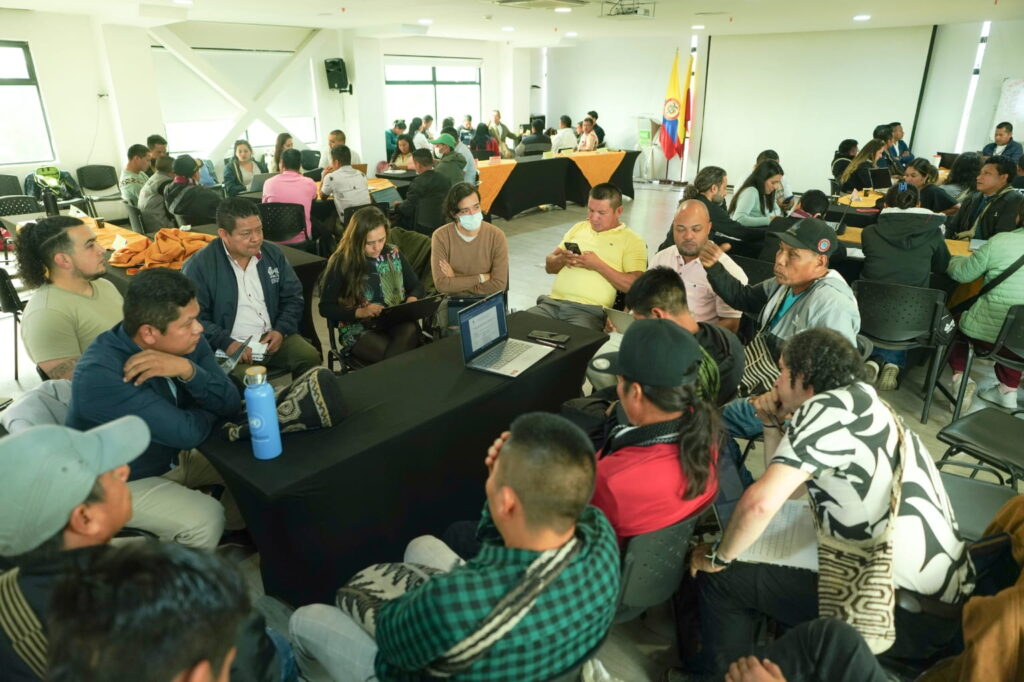
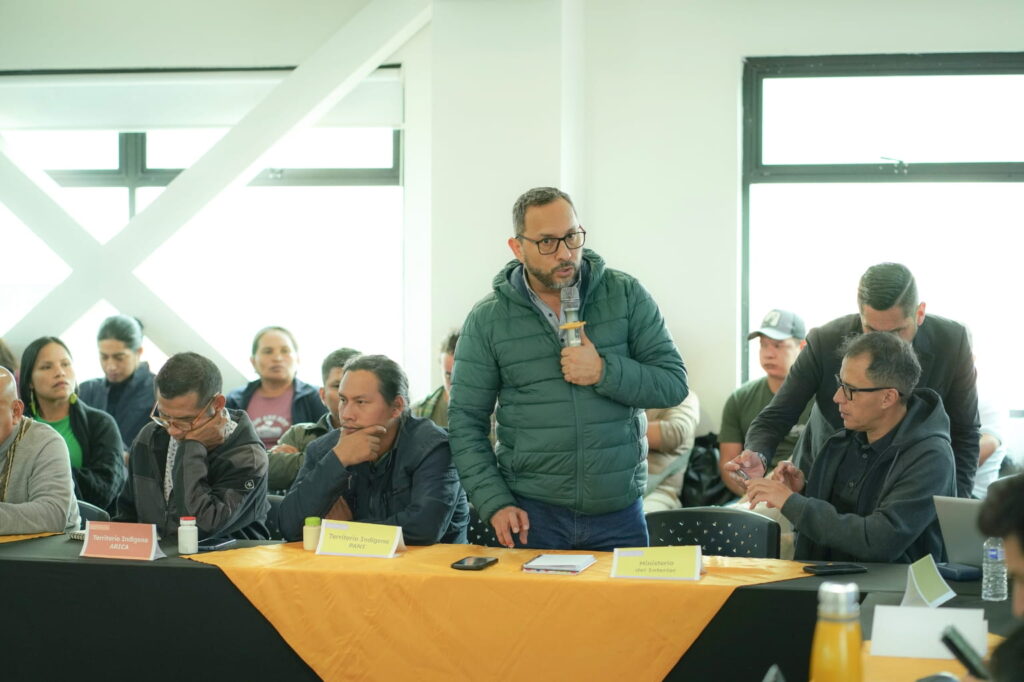
Beyond the fundamental recognition of Indigenous rights and their administrative autonomy, the formalization of the ETIs also creates a new framework for territorial management and environmental conservation. Prior to the ETIs’ formalization, there was little if any state presence in these vast areas which still contain extensive primary forests. Meanwhile, despite containing large national parks, the presence of protected area personnel in the Colombian Amazon has been curtailed for the last several years because of deteriorating security conditions from the presence of armed militia and narcotrafficking groups. This precarious context often leaves the local Indigenous Peoples to fend for themselves to protect their territories and the ecosystems they contain without any state-backing.
However the formalization as ETIs instantly established a state recognized authoritative presence where there was none; allowing for an ETI and the forests it encompasses “To be governed by its own authorities, through Indigenous Councils formed and regulated in accordance with the system of government of each Indigenous group or community…[And] to define, execute, and evaluate its own economic, social, environmental, and cultural policies within the framework of Life Plans or their equivalents.”
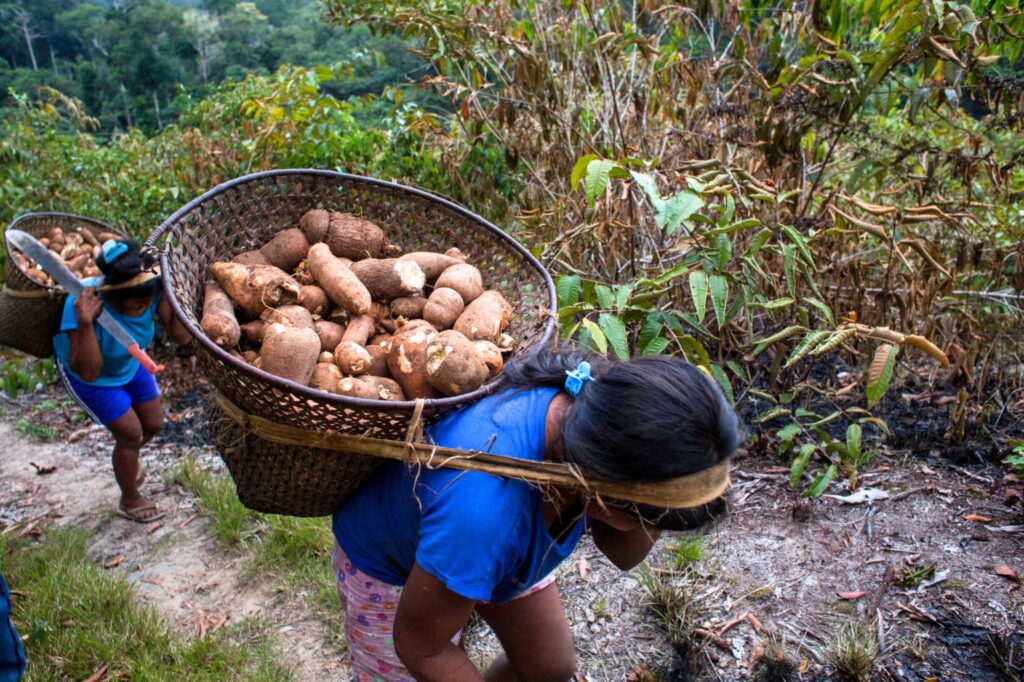

Life Plans are the primary management tool for Indigenous territories and can be compared to management plans for protected areas in the context of environmental conservation; mapping out how their ecosystems must be protected and stewarded based on their own knowledge systems and cosmovision. With the ETIs, the Life Plans are now legitimate environmental policy for the Colombian Amazon that will guide community-based conservation. At the same time, the Indigenous governments that will be administering the ETIs will now be able to access national public revenue and establish budgets (similar to how a Colombian municipality would) in order to implement their Life Plans. They will also now be able to directly coordinate with other public authorities on different levels to implement their territorial management strategies.
Protecting millions of hectares primary forest
Andes Amazon Fund (AAF) celebrates this historic achievement for Colombia. Through its funding for management of protected areas and Indigenous lands and the support for the recognition of the ETIs, AAF has now contributed to strengthened protection of over 6.4 million acres (over 2.6 million hectares) contained in the Mirití Paraná, Yaigojé Apaporis, and Río Tiquié ETIs via its partnership with the Gaia Amazonas Foundation. The activities accomplished as part of these projects with Gaia helped set the foundation for making the management structures of these Indigenous territories functional in order for them to be considered as ETIs.
This milestone that has been decades in the making was born out of the vision of the Indigenous Peoples of the Colombian Amazon, the tireless effort of the Gaia Amazonas Foundation and its founder Martín von Hildebrand, as well as the generous financial support of the Norwegian Embassy of Colombia via Norway’s International Climate and Forest Initiative (NICFI), the Gordon and Betty Moore Foundation, Nia Tero, the Climate and Land Use Alliance (CLUA), Andes Amazon Fund, Re:wild, and Bezos Earth Fund.
MAKE AN IMPACT
Learn how we can make an impact in our world together. Donate or get involved by subscribing to our email list: