
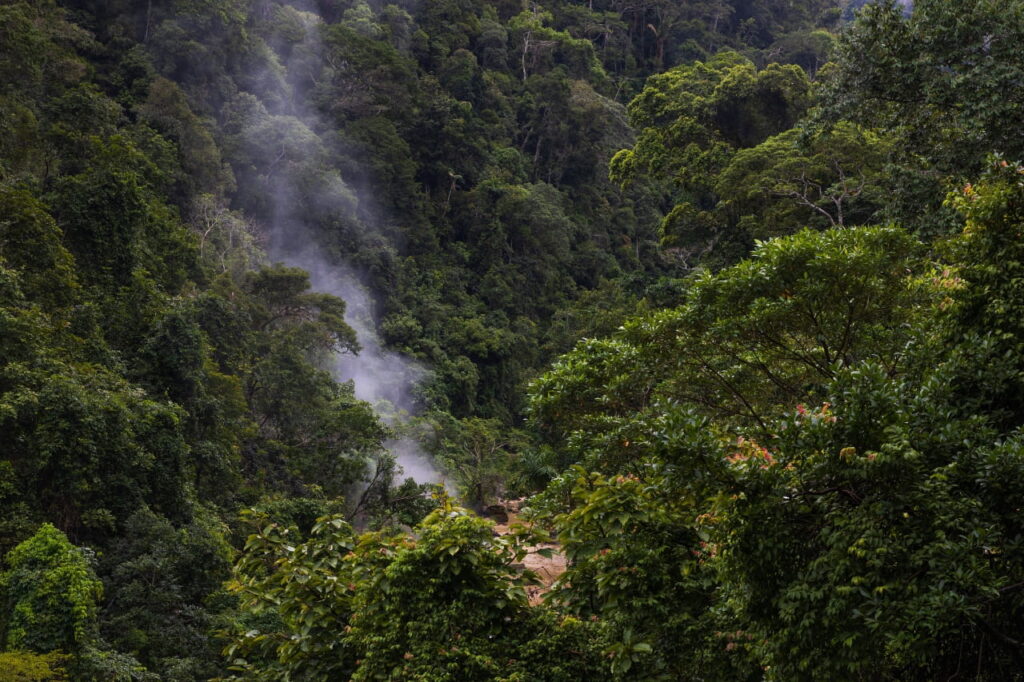
The new Aguas Calientes Maquia Regional Conservation Area (RCA) conserves 242,563 acres (98,162 hectares) of highly biodiverse Amazonian forests, wetlands, waterfalls and rivers that include unique hot springs and salt licks in Loreto, Peru.
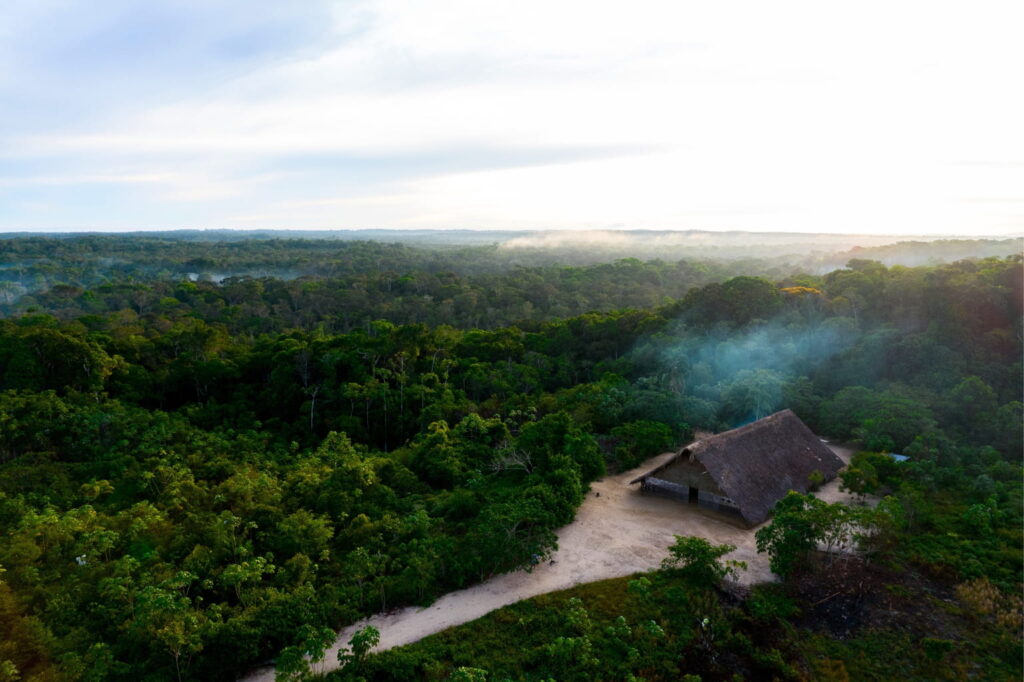
The formalization of the country’s first eight Indigenous Territorial Entities marks a new Indigenous-led land governance model that encompasses 15% of the Colombian Amazon region.
The area spans Orinoquian ecosystems alongside the Guaviare River including subtropical forest, savannahs, and important bodies of water such as the Veradal Lake.

The Nueva York Private Conservation Area spans 8,454 (3,421 hectares) of vital Amazonian flooded forests and palm swamps along the Tigre River in Peru’s Loreto region. The initiative, driven by the Kukama-Kukamiria Indigenous People of the Nueva York Native Community with the technical support of grantee Amazónicos por la Amazonía (AMPA), recognizes the community protection of a portion of the Kukama-Kukamiria Peoples Territory, safeguarding an ecological important area.
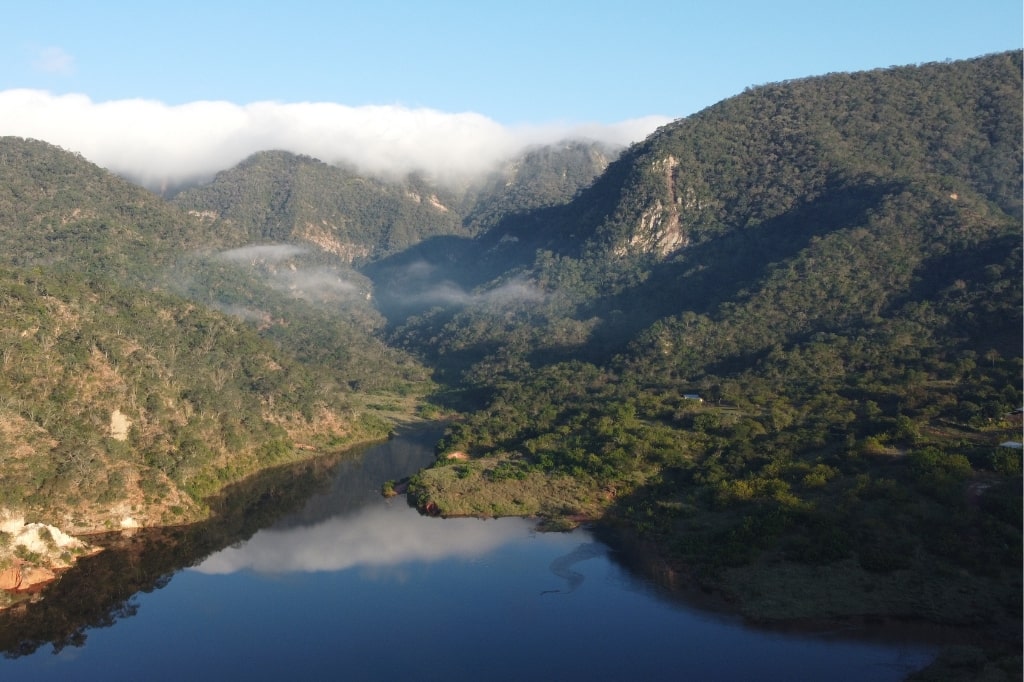
Over 200,000 acres of Chaco-Andes transitionary ecosystems in Bolivia’s Department of Chuquisaca are now protected with the establishment of the Serrania de Mandiyurenda Natural Integrated Management Area (Área Natural de Manejo Integrado y Gestión Comunitaria del Agua y Biodiversidad). The area was declared on April 30, 2025, by the Indigenous Guaraní Huacaya Autonomous Government.
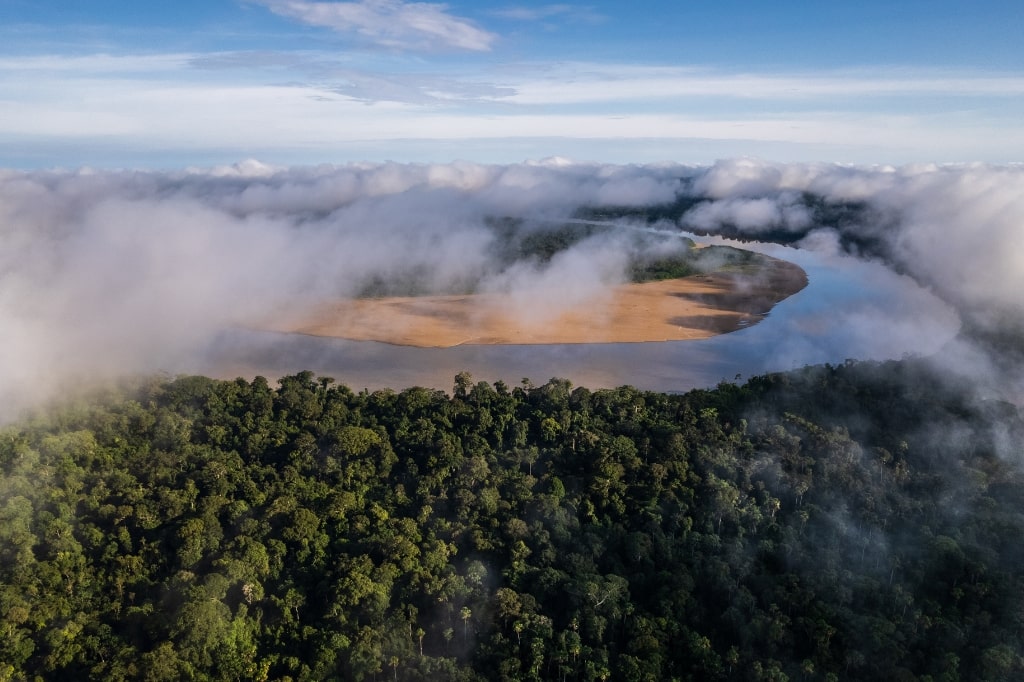
Medio Putumayo Algodón protects 700,778 acres (283,595 hectares) of Amazonian forests in an area considered a global center of biodiversity: the Putumayo-Amazonas landscape. Home to rare and endangered wildlife including jaguars, river otters, pink dolphins and woolly monkeys, the new regional conservation area aims to protect these species from threats such as illegal gold mining and logging.
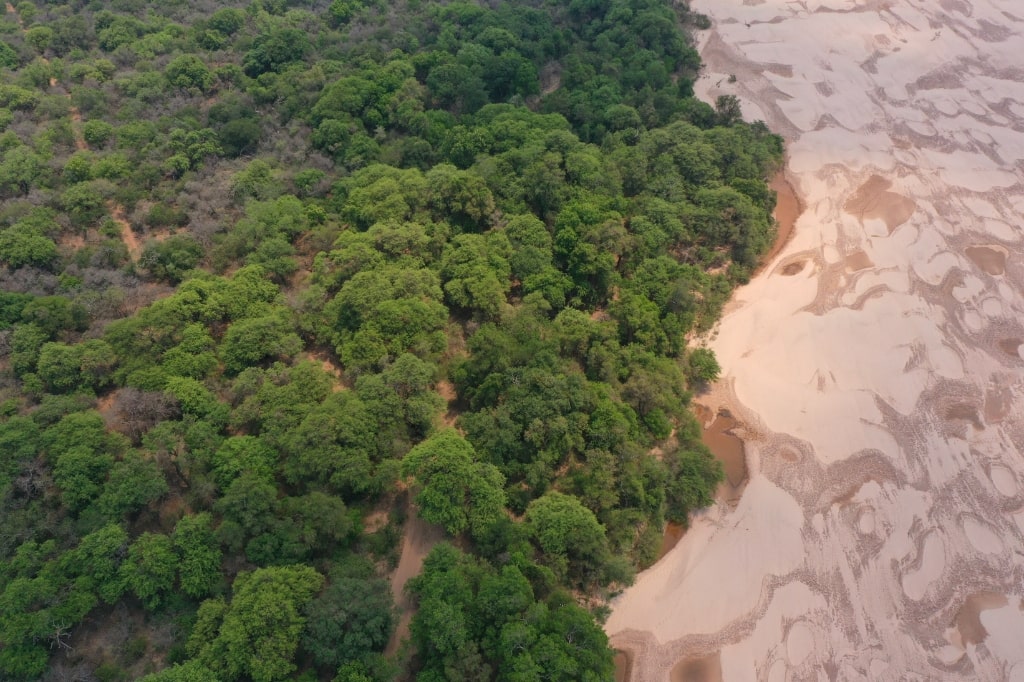
Over 1.3 million acres of threatened Chaco ecosystems are now protected with the establishment of the Parapetí River and Isoso Wetlands Integrated Management and Connectivity Area known in the Guaraní…
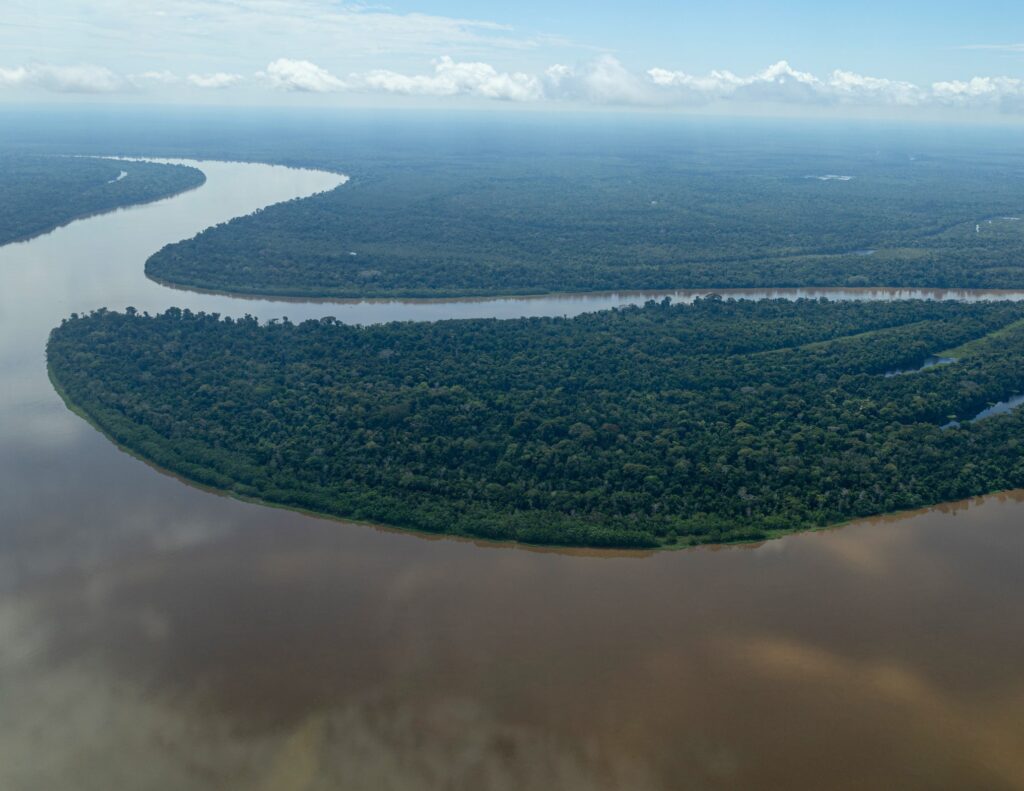
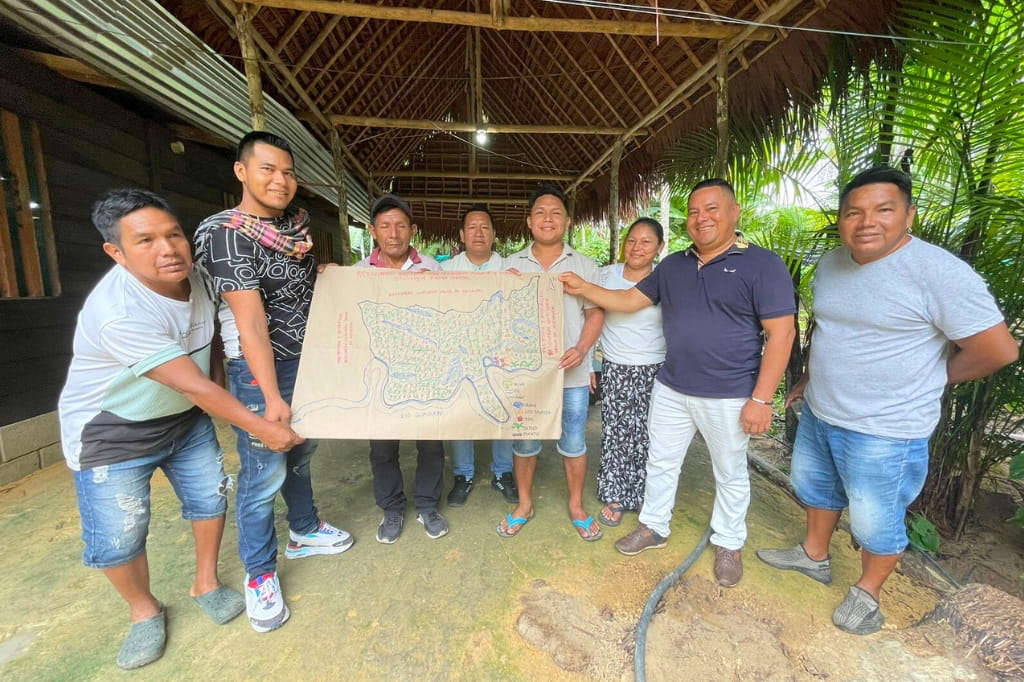
Thanks to the joint work between Indigenous authorities, the Colombian government, and civil society organizations, a new, first-of-its-kind, formalized territory will safeguard Indigenous Peoples in Isolation (known as PIA based on the Spanish acronym) in a biodiverse region of the Colombian Amazon.
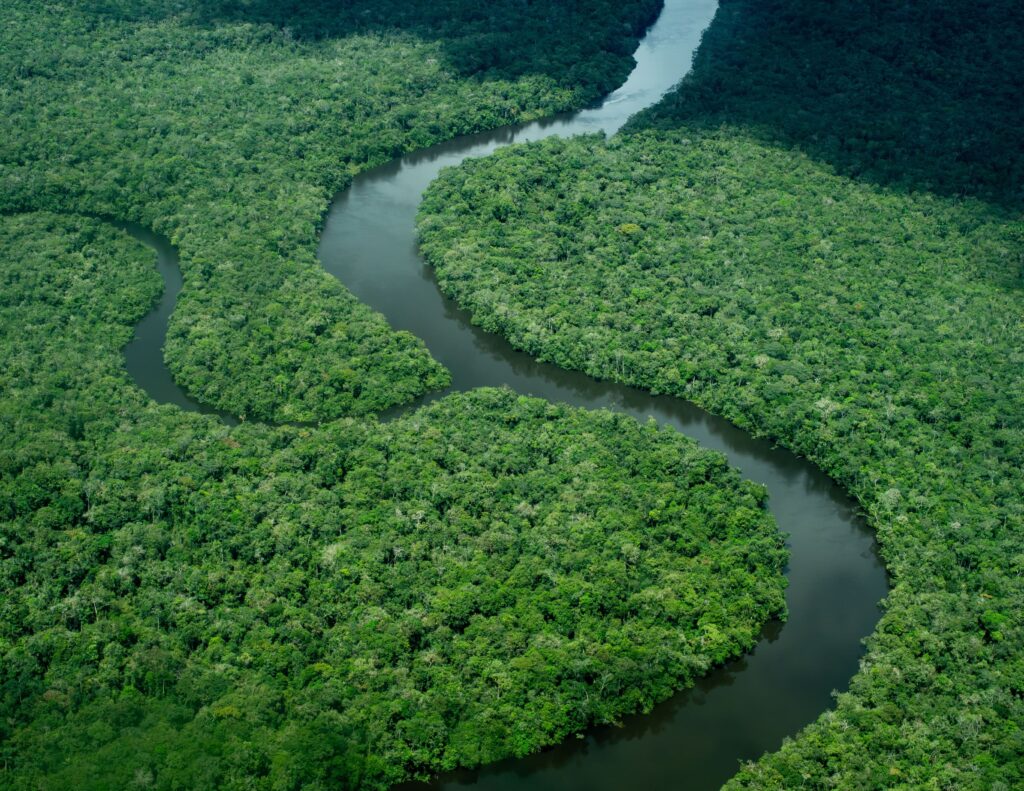
Gran Vaupés is the largest Indigenous Reserve in the Vaupés department of Colombia. This expansion covers a territory with dense Amazonian primary forests protected by the ancestral practices of the Indigenous Peoples of the Gran Vaupés Reserve.
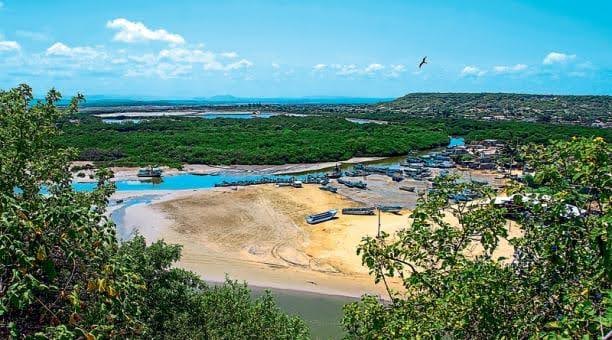
Redacción: Shirley Pozo, Edición: Ana Coral La Comuna Palmar es un pueblo de origen huancavilca con una población aproximada de 6.000 habitantes que se asienta en el perfil costero ecuatoriano,…