
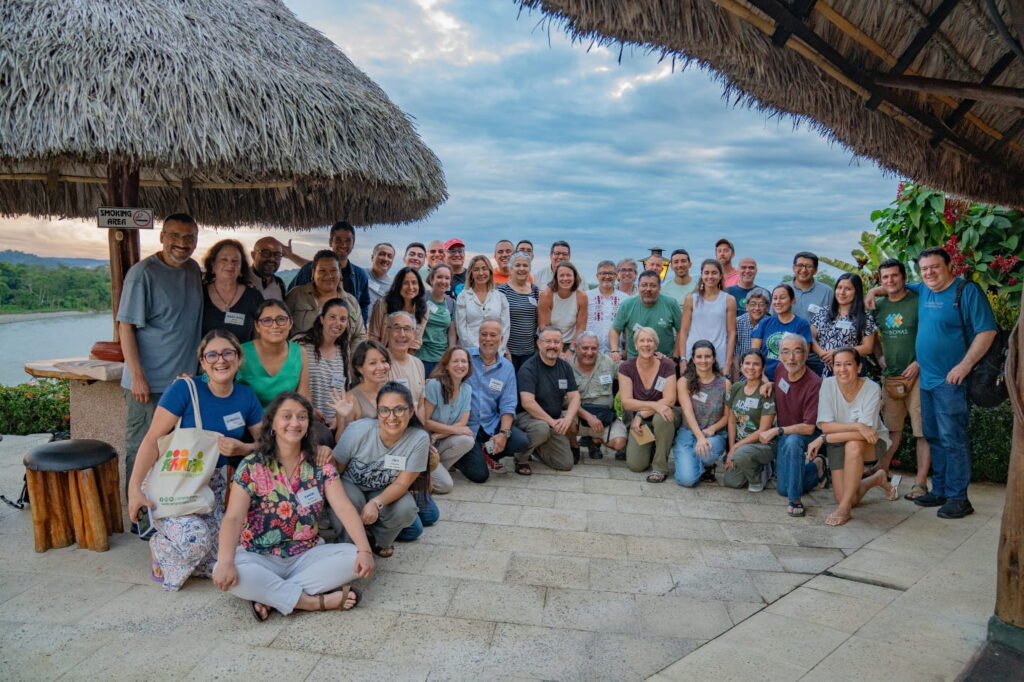
Amid the cobalt-winged parakeets and spiny walking palms of the Ecuadorian Amazon, 50 participants representing 15 organizations gathered in Napo, Ecuador for Andes Amazon Fund’s third annual Institutional Strengthening workshop.
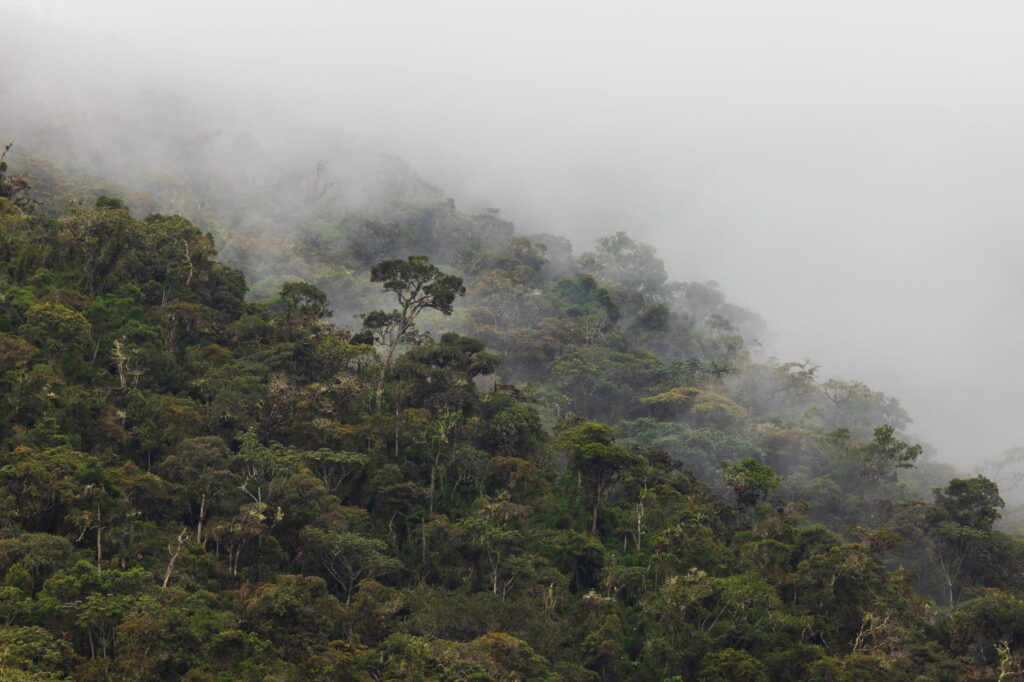
The rugged terrain of the new Regional Conservation Area (RCA) is home to the Andean bear, Andean cock-of-the-rock, and puma as well as over 100 species of birds, including some found only in this region of Peru.
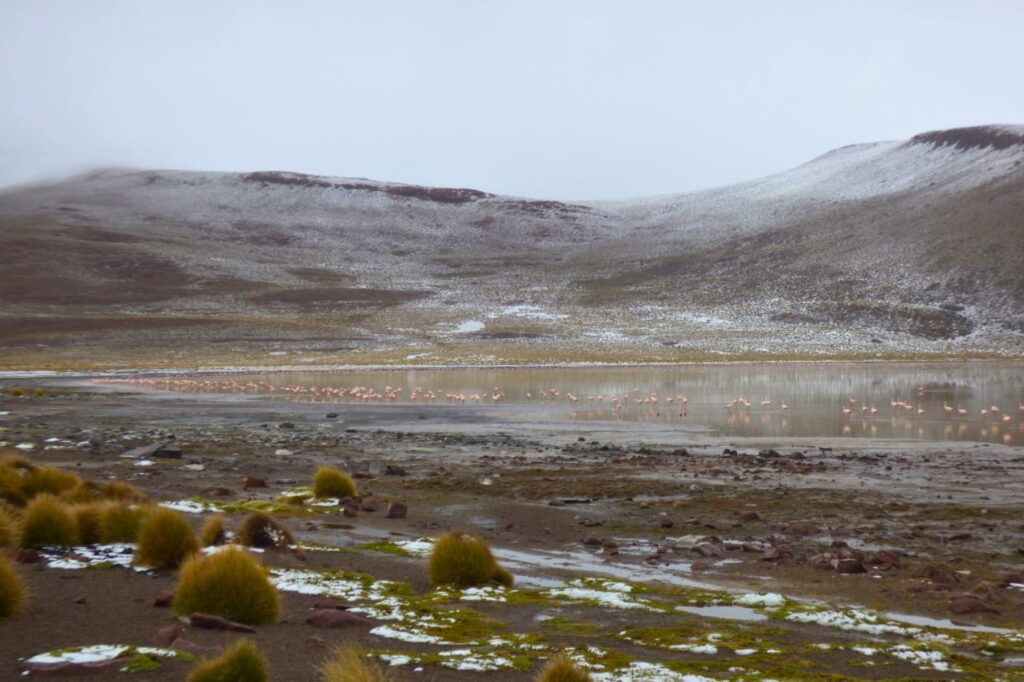
The newly established Río Chilenas and Ciudad Roma Municipal Protected Areas safeguard 416,341 acres (168,487 hectares) of fragile high-altitude wetlands, grasslands, and forests within Bolivia’s iconic Lípez mountain range located in the southern department of Potosí.
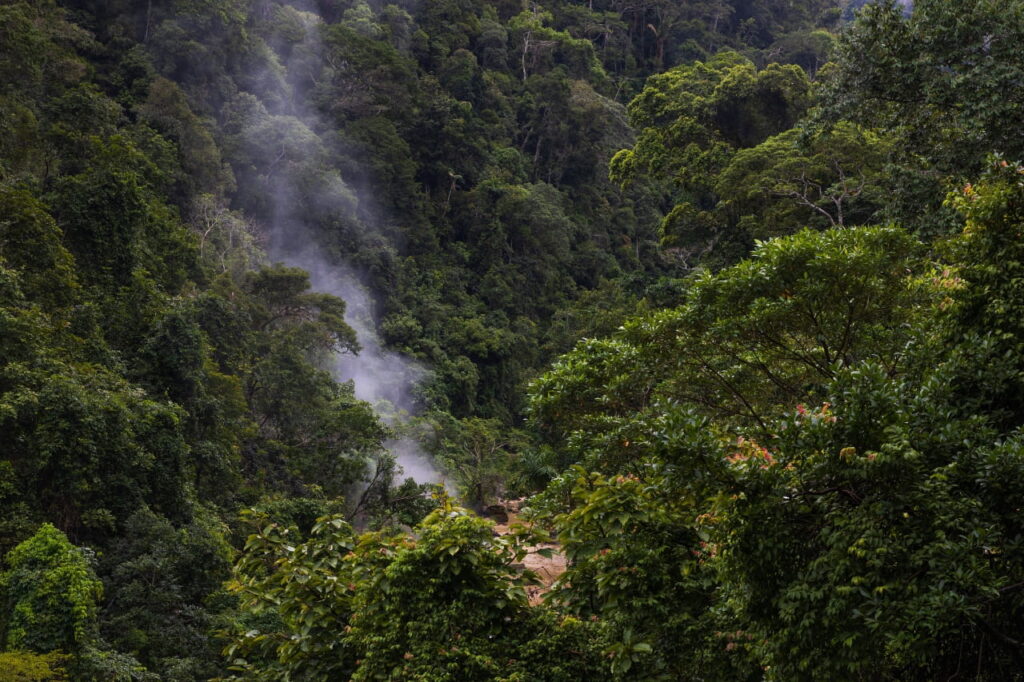
The new Aguas Calientes Maquia Regional Conservation Area (RCA) conserves 242,563 acres (98,162 hectares) of highly biodiverse Amazonian forests, wetlands, waterfalls and rivers that include unique hot springs and salt licks in Loreto, Peru.
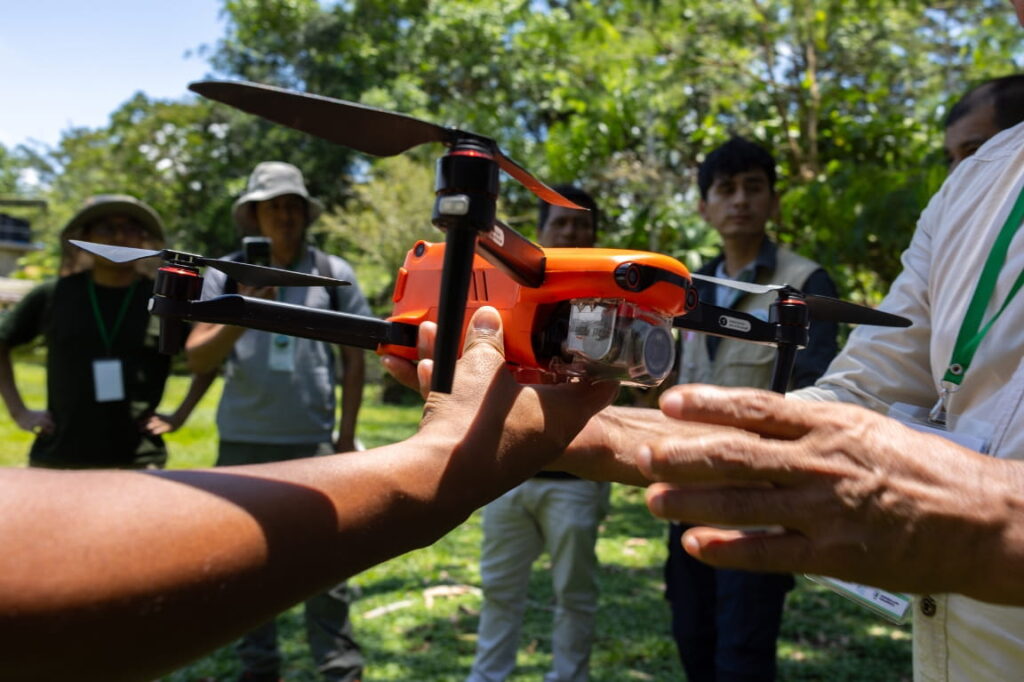
Entre finales de Septiembre y mediados de noviembre de 2025 se vivió una experiencia profundamente enriquecedora para la gestión de la conservación en el Perú: la capacitación del personal encargado de las Áreas de Conservación Regional (ACR) en la implementación de tecnologías para el control, la vigilancia y el monitoreo de la biodiversidad.
Between late September and mid-November 2025, a deeply enriching experience for conservation management in Peru took place: the training of personnel in charge of Regional Conservation Areas (RCA) in the implementation of technologies for the surveillance and monitoring of biodiversity.
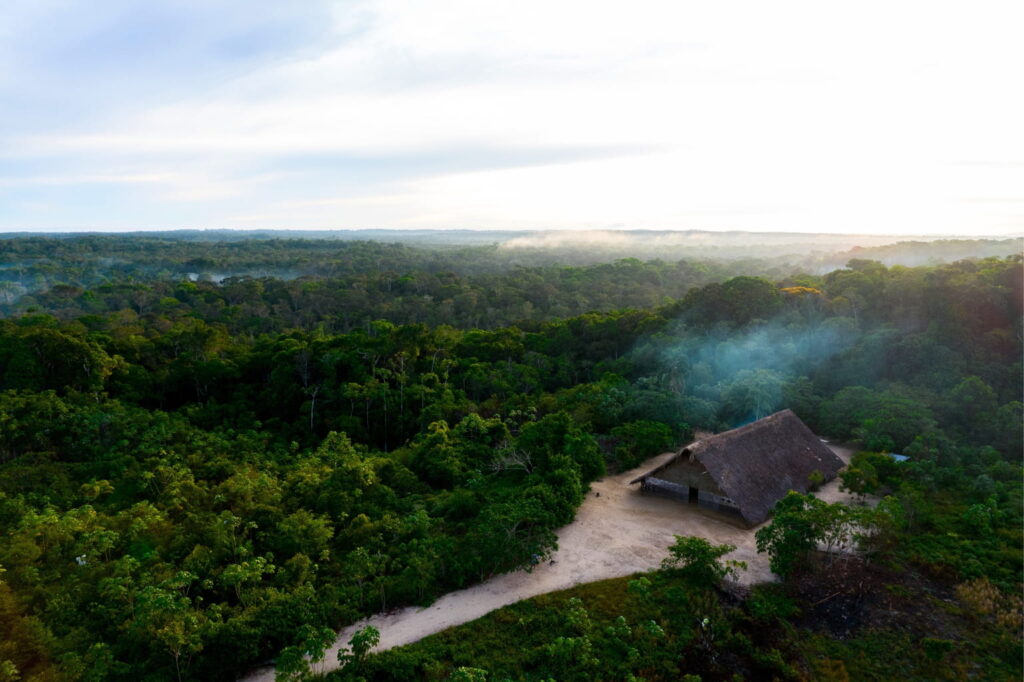
The formalization of the country’s first eight Indigenous Territorial Entities marks a new Indigenous-led land governance model that encompasses 15% of the Colombian Amazon region.
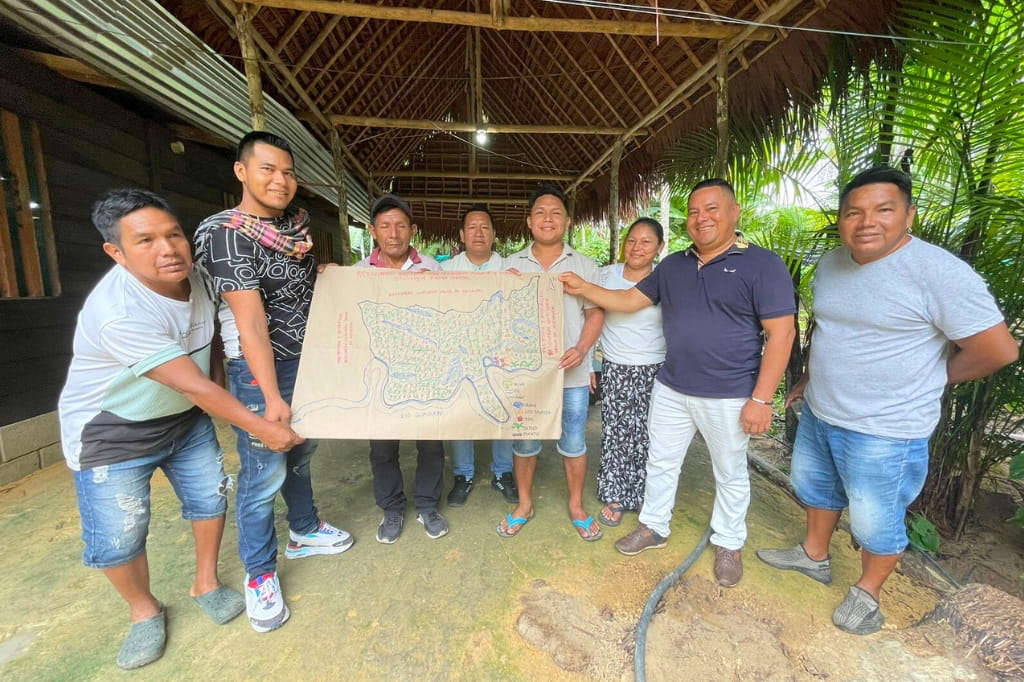
The area spans Orinoquian ecosystems alongside the Guaviare River including subtropical forest, savannahs, and important bodies of water such as the Veradal Lake.

The Nueva York Private Conservation Area spans 8,454 (3,421 hectares) of vital Amazonian flooded forests and palm swamps along the Tigre River in Peru’s Loreto region. The initiative, driven by the Kukama-Kukamiria Indigenous People of the Nueva York Native Community with the technical support of grantee Amazónicos por la Amazonía (AMPA), recognizes the community protection of a portion of the Kukama-Kukamiria Peoples Territory, safeguarding an ecological important area.
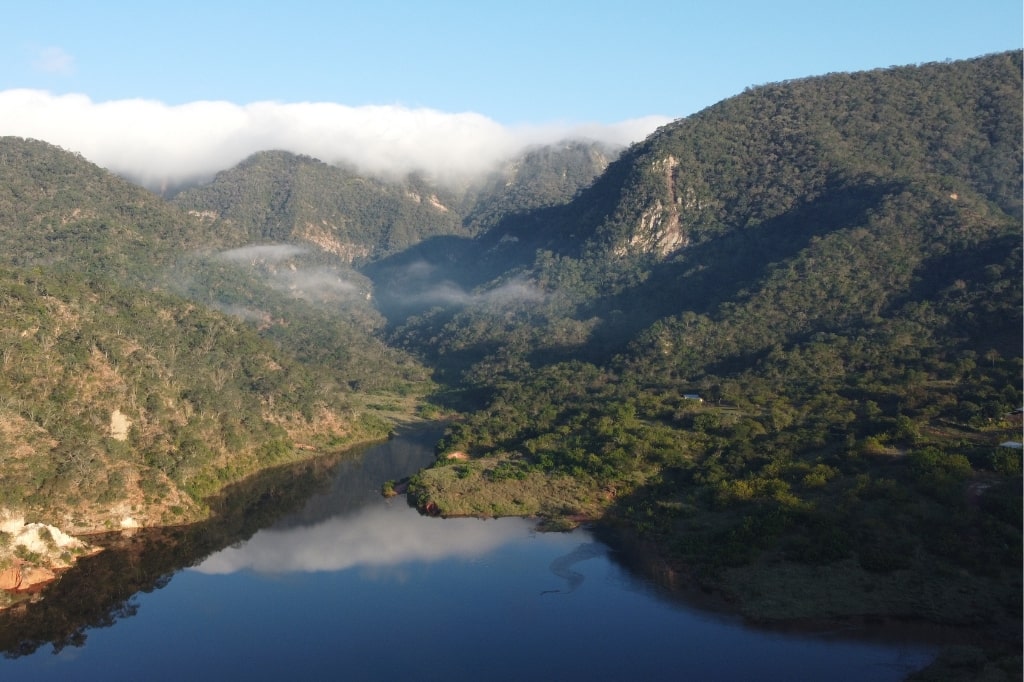
Over 200,000 acres of Chaco-Andes transitionary ecosystems in Bolivia’s Department of Chuquisaca are now protected with the establishment of the Serrania de Mandiyurenda Natural Integrated Management Area (Área Natural de Manejo Integrado y Gestión Comunitaria del Agua y Biodiversidad). The area was declared on April 30, 2025, by the Indigenous Guaraní Huacaya Autonomous Government.