
Over 200,000 acres of Chaco-Andes transitionary ecosystems in Bolivia’s Department of Chuquisaca are now protected with the establishment of the Serrania de Mandiyurenda Natural Integrated Management Area (Área Natural de Manejo Integrado y Gestión Comunitaria del Agua y Biodiversidad). The area was declared on April 30, 2025, by the Indigenous Guaraní Huacaya Autonomous Government.
Strengthening Connectivity for the Chaco-Tucumano Ecoregion
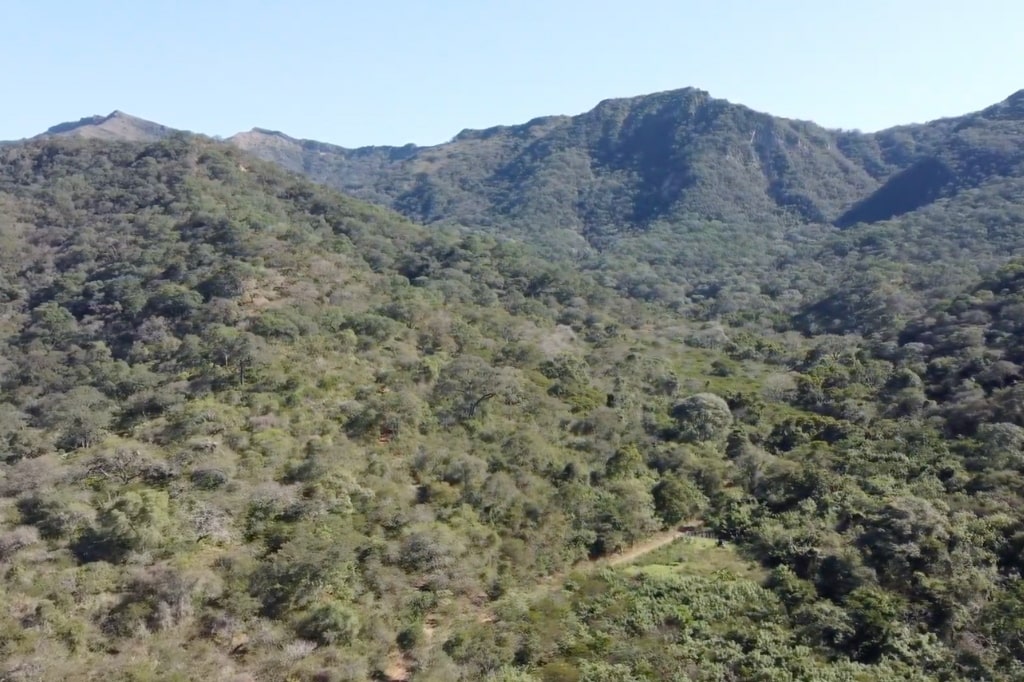
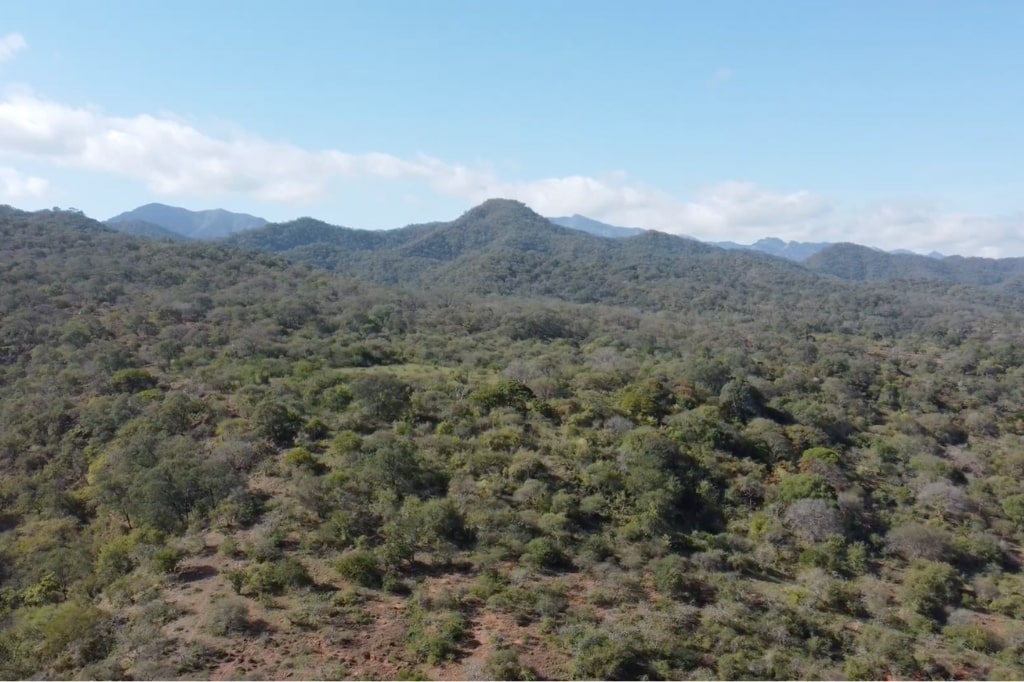
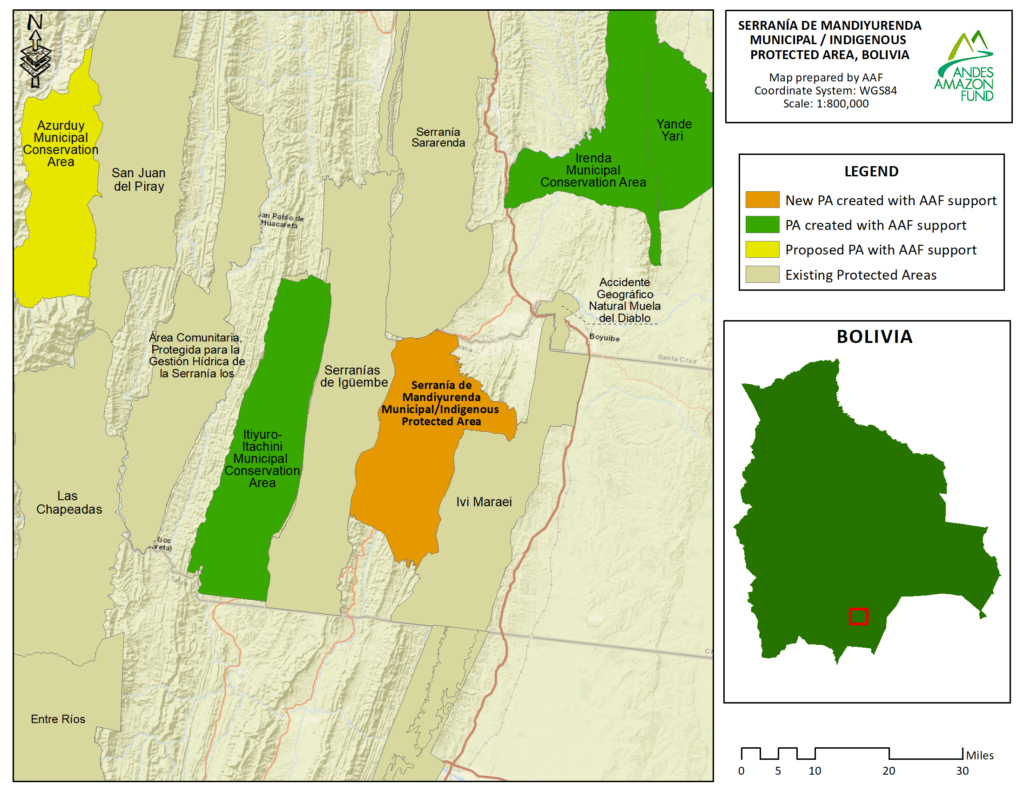
Spanning 209,340 acres (84,717 hectares) the Serrania de Mandiyurenda Natural Integrated Management Area encompasses ecosystems that serve as a critical biological corridor between southern Bolivia’s Chaco and Andes. The area’s altitude ranges from 3,123 to 4,314 feet above sea level.
Serrania de Mandiyurenda is adjacent to three subnational protected areas: Ivi Maruci, Serrania Iguembe, and Serrania Sararenda Cuevo which connect to a mosaic of protected areas including the Andes Amazon Fund-supported Itachini-Itayuro Municipal Protected Area and Irenda Municipal Protected Area. Serrania de Mandiyurenda protects habitat for important species such as Geoffroy’s cat (Leopardus geoffroyi), jaguar (Panthera onca), puma (Felis concolor), Andean bear (Tremarctos ornatus) and collared peccary (Tayassu tajacu), among others. The protected area unites habitat for large range predators to thrive in its dry seasonal forests. Additionally, the area’s flora includes important tree species such as the quebracho (Schinopsis haenkeana), cebil (Anadenanthera colubrina), cedro (Cedrela lilloi), and the tropical walnut (Juglans australis).
Guaraní and Campesino Conservation Leadership
The protected area’s creation process followed an extensive consultation process with the area’s 2,042 residents, comprising both Guaraní and campesino communities.
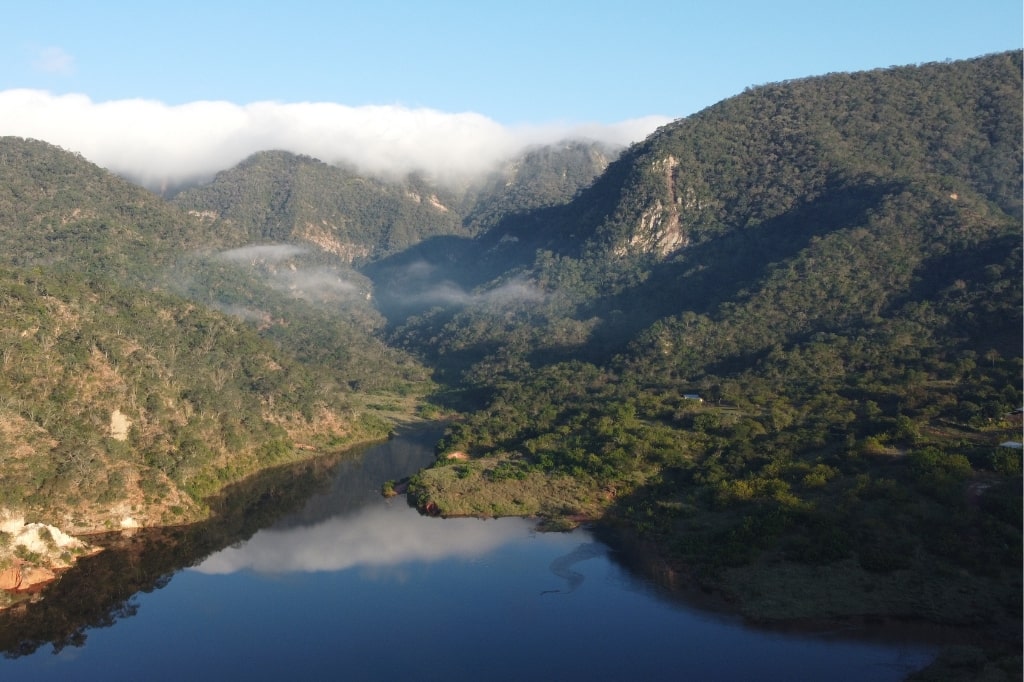
The creation of the protected area establishes a formal framework for managing natural resources with objectives to conserve water sources, rivers, and forests, to restore degraded areas, and to promote sustainable livelihood activities while strengthening Guaraní culture.
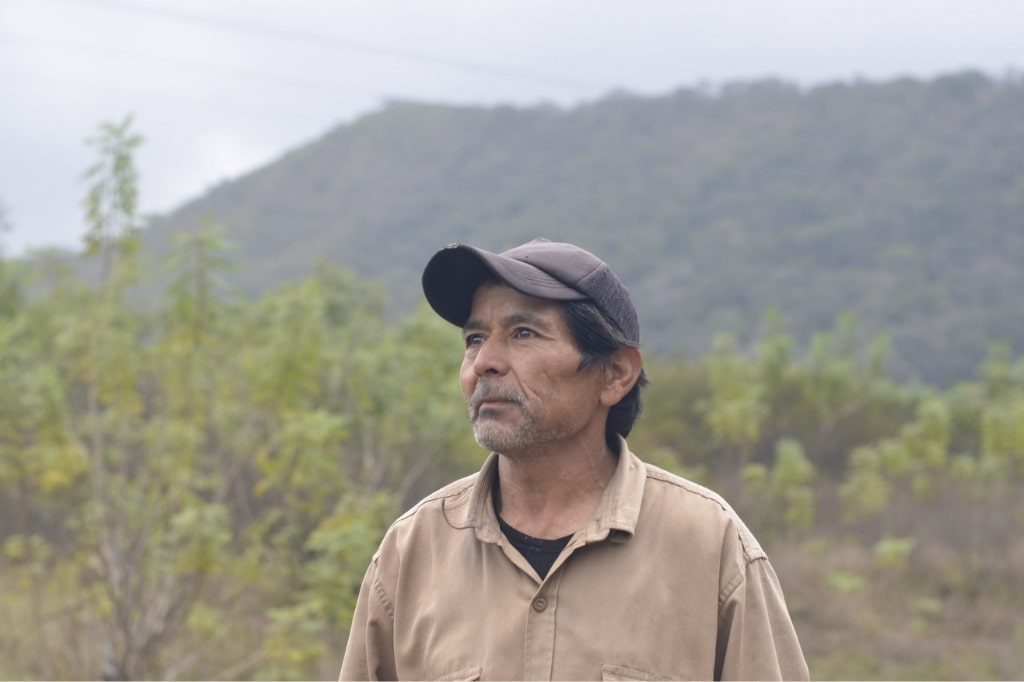
As a Natural Integrated Management Area, Serrania de Mandiyurenda enables the conservation of natural resources while sustaining the livelihoods and social systems of communities living within its boundaries. The new protected area is the home of 14 Guaraní and campesino communities and the administration of the area will be coordinated by the Indigenous Guaraní Huacaya Autonomous Government and communities.
This protection ensures the long-term conservation of Serrania de Mandiyurenda’s rich biodiversity and crucial ecological connectivity, strengthening community-led conservation in Bolivia’s Chaco.
Acknowledgements:
This accomplishment was made possible by the Indigenous Guaraní Huacaya Autonomous Government and the communities of Tabayerupa, Chimbe, La Laguna, Imboche, Irenda, Itironque, Mandiyuti, Itangua, Huacayareape, Mbororigua, Guiraitati, Iniay, Mboikovo and Villa de Huacaya with technical support from Fundación Natura Bolivia and financial contributions from Andes Amazon Fund and Re:wild. The Andes Amazon Fund’s financial support for this project was generously provided by the Wyss Foundation.
MAKE AN IMPACT
Learn how we can make an impact in our world together. Donate or get involved by subscribing to our email list: