
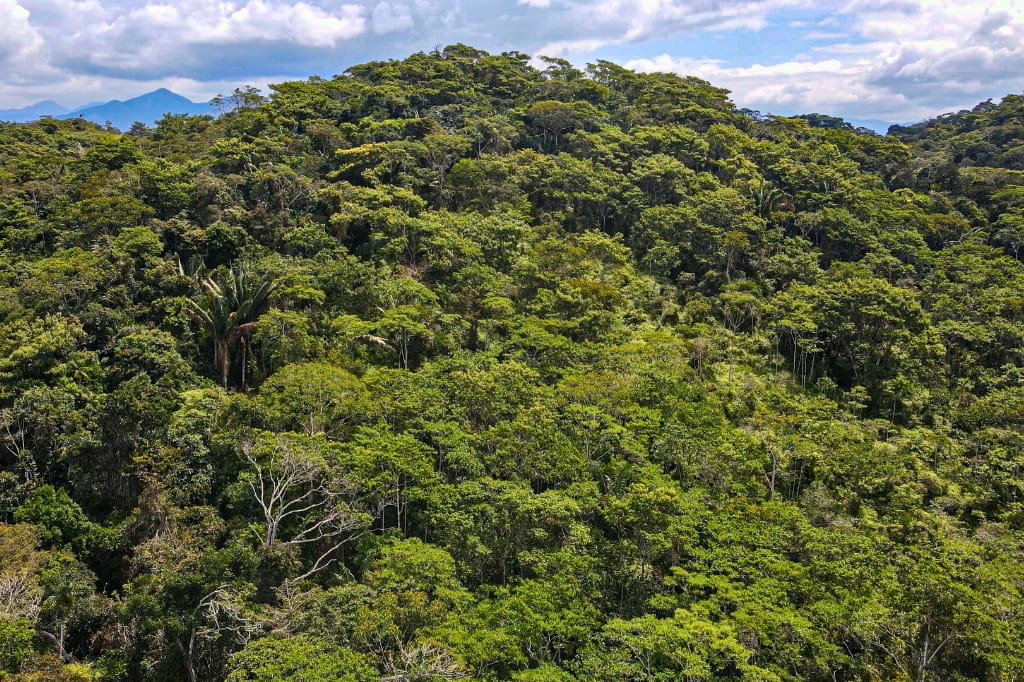
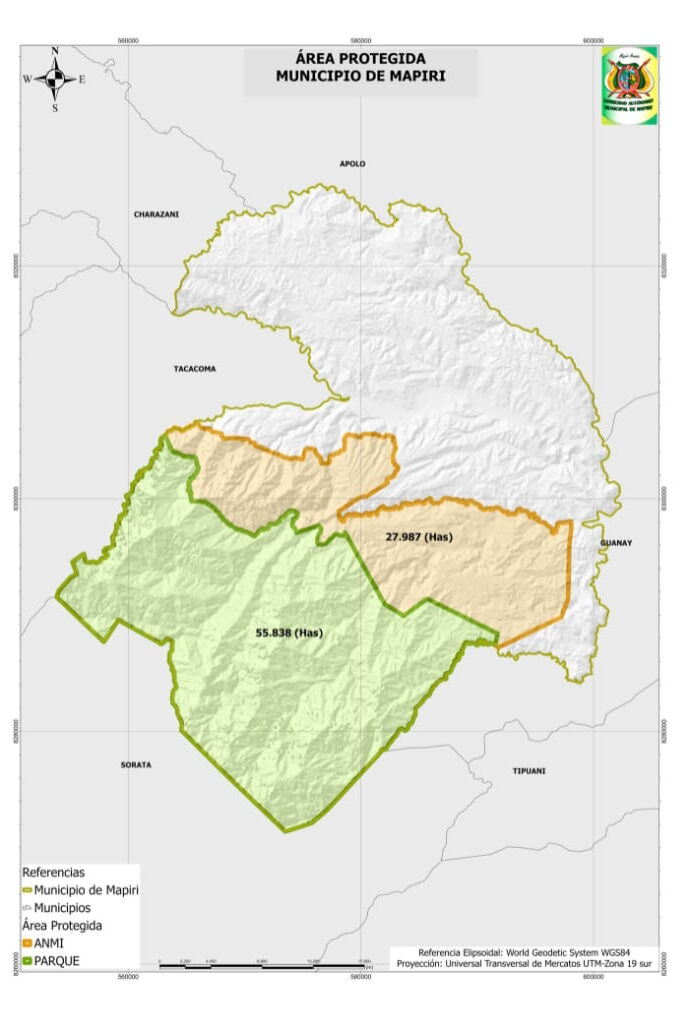
Located in the Municipality of Mapiri, in the north of Bolivia’s La Paz Department, the Gran Paitití de Mapiri Municipal Park and Integrated Natural Management Area spans 207,161 acres (83,835 hectares). This new area, established on October 31st, 2025, protects the critical transition zone between the Bolivian Yungas (cloud forest) and Amazonian ecoregions and was established through a participatory process with local communities who are committed to safeguarding Gran Paitití de Mapiri’s stunning natural landscape and important water resources.
Strengthening Connectivity for Biodiversity Protection
Gran Paitití de Mapiri serves as a crucial connectivity corridor located on the eastern slopes of the Andes, where Andean mountains meet the Amazon basin. From its cloud-covered peaks to its steep valleys, the altitudinal ranges of these tropical mountains create unique microhabitats that host a remarkable diversity of life.
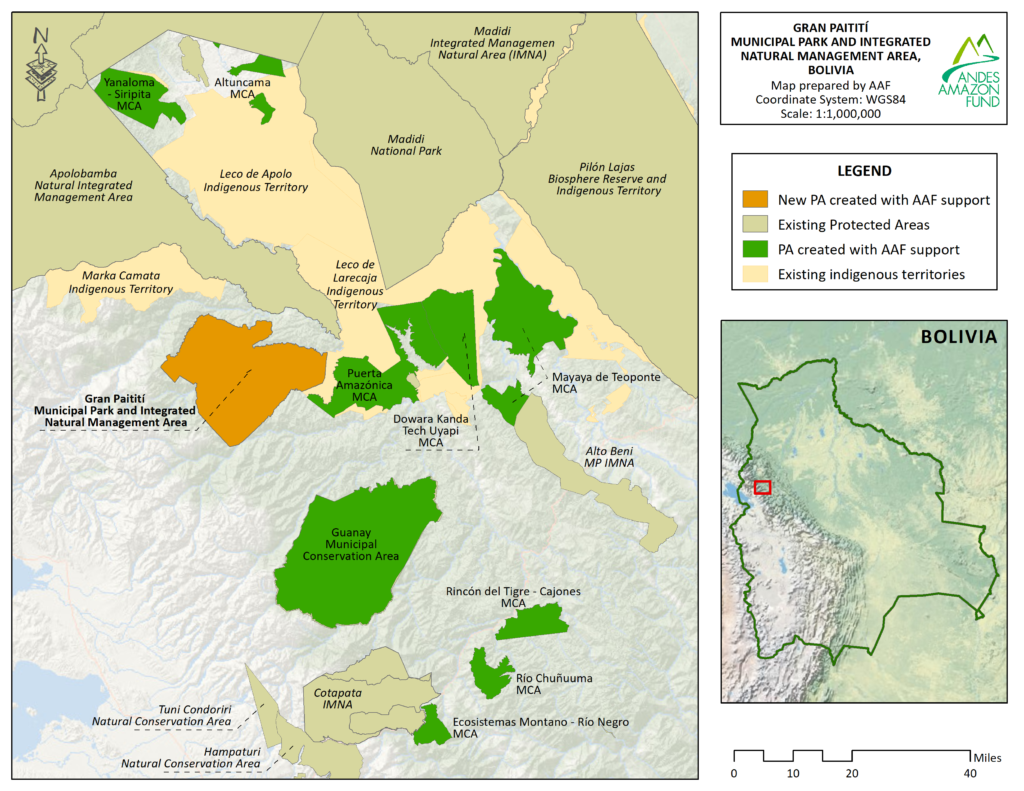
Gran Paitití de Mapiri serves as a connectivity corridor for wildlife moving between the Amazonian lowlands and the Andean highlands, contributing to a broader conservation mosaic that connects some of Bolivia’s most important protected areas, such as Cotapata and Madidi National Parks. Additional areas strengthened as part of the conservation mosaic include the neighbouring Leco de Larecaja Indigenous Territory and the Puerta Amazónica, Dowara Kanda Tech Uyapi, Mayaya de Teoponte, Guanay, Rincón del Tigre – Cajones, Rio Chuñuuma, and Alto Beni Municipal Protected Areas. Ecological connectivity is also strengthened with the Apolobamba Integrated Natural Management Area in La Paz as well as the Isiboro-Sécure Indigenous Territory and National Park (TIPNIS) and Carrasco National Park in Cochabamba.
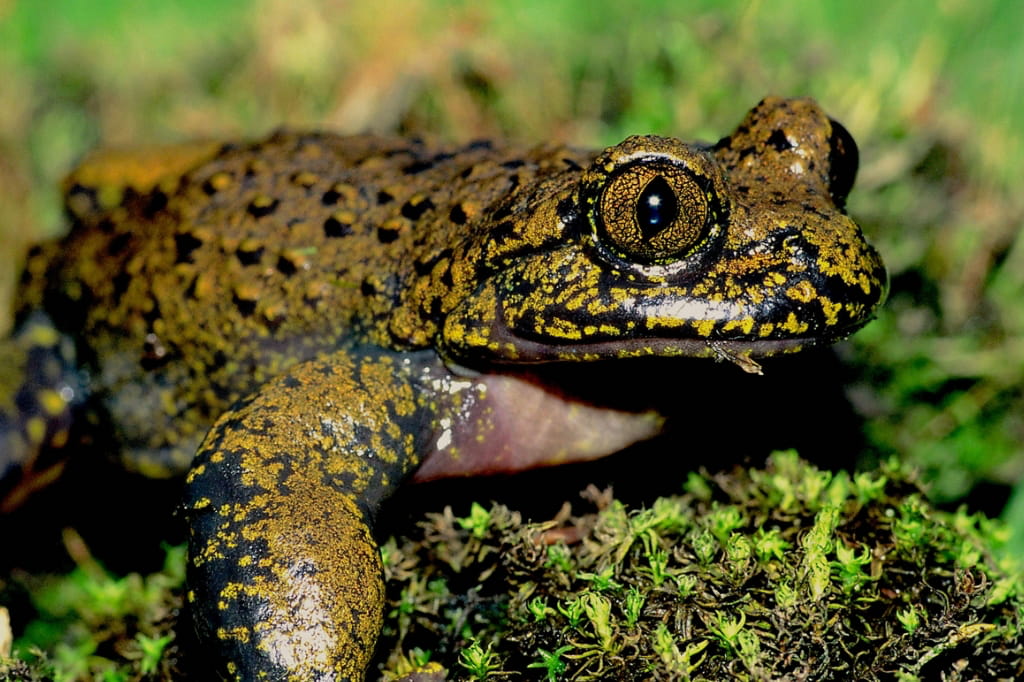
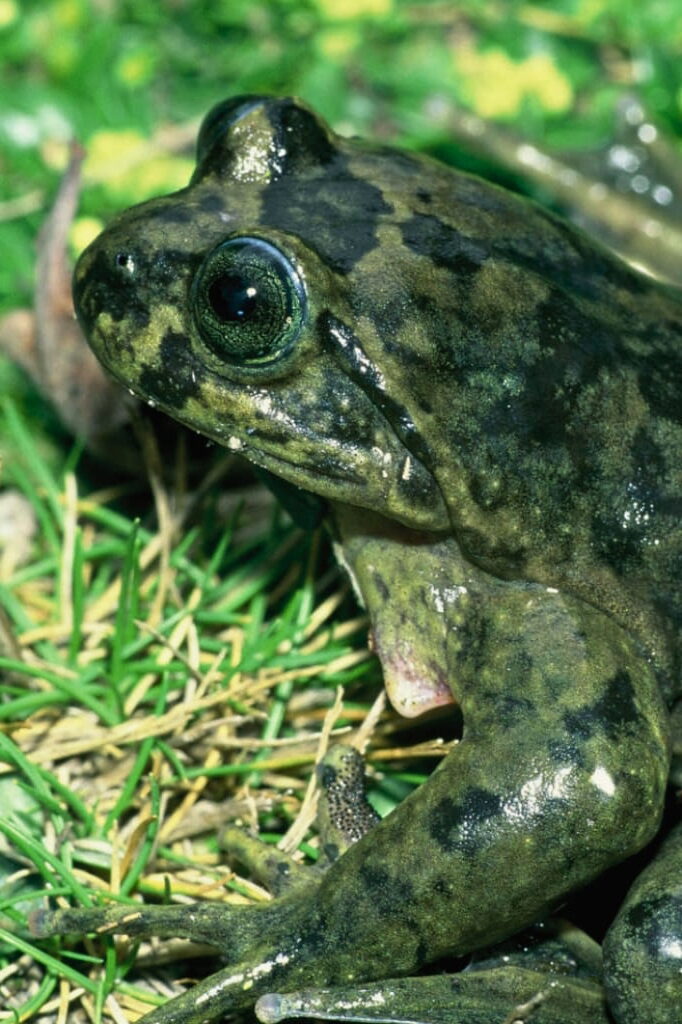
Gran Paitití de Mapiri is specifically recognized as a global hotspot for amphibian conservation, the most endangered group of vertebrates on the planet. The area provides habitat for nearly 30 species and protects the highly vulnerable and critically endangered frogs such as Telmatobius bolivianus, Telmatobius verrucosus, and Allobates mcdiarmidi, as well as threatened glass frogs (Nymphargus bejaranoi and N. pluvialis). The area’s forests are home to the jaguar (Panthera onca), Andean bear (Tremarctos ornatus), tapir (Tapirus terrestris), and giant armadillo (Priodontes maximus). Overall, the area is habitat to at least 1,825 plant species and 743 animal species.
“By protecting this zone, Bolivia strengthens an entire conservation mosaic that extends from the cloud forests of La Paz to the lower Amazon, ensuring that species like the jaguar and the Andean bear can move freely through their habitats,” noted Eduardo Forno, Vice President of Conservation International Bolivia.
Paitití Mountain
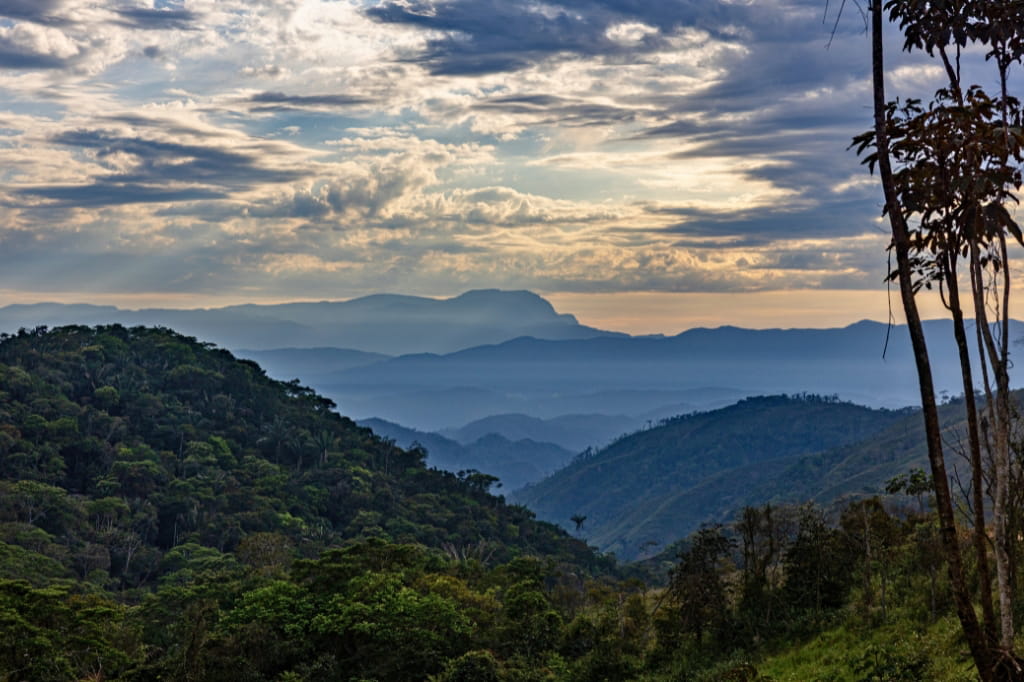
At the heart of the area lies Paitití Mountain, which gives the protected area its name and pays homage to the legend of Gran Paitití—a mythical Inca refuge said to be hidden on the slopes between the Andes and the Amazon.
“For centuries, the legend of Gran Paitití has sparked the imagination; it is a story we consider very much our own,” says Milton Butrón Guerra, Secretary of the Municipal Government of Mapiri. “In the past, there were great expeditions to that Inca territory. Now, as a municipal government, we will work to ensure that this protected area is also guarded.”
The new protected area’s territory also features pre-Hispanic ruins and ancient roads that connected the Andes and the Amazon. This combination of history, culture, and nature gives the area high potential for responsible ecotourism, including guided walks at the archeological sites in addition to wildlife observation, and bird watching. Mapiri plans to develop ecotourism to explore the unique archeological heritage, with projects for building routes and facilities.
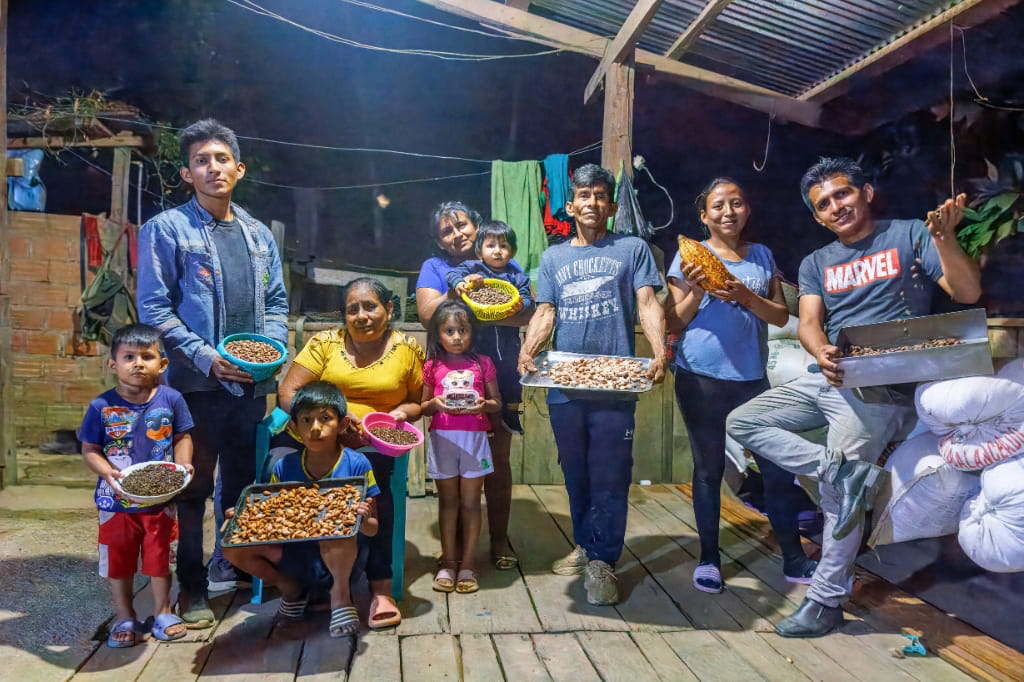
This designation also opens opportunities to restore traditional small-scale agriculture practices such as cacao production, which, complemented by ecotourism, could be the basis for a more sustainable nature-based economy for local communities.
Two Conservation Figures
The new protected area has two categories: approximately two-thirds will be a Municipal Park (67%) designated for the strict conservation of intact forests and pristine ecosystems, and the remainder an Integrated Natural Management Area (33%) a designation that allows for activities compatible with conservation and an economy in harmony with nature. Both of these categories establish clear legal and institutional frameworks to protect the unique wildlife, natural resources, and environmental services of Gran Paitití de Mapiri.
The area’s conservation objectives are aligned with local priorities and include: Protecting forests and water sources, conserving lowland and highland forests and ecologically important species, maintaining pristine ecosystems and wildlife sanctuaries, safeguarding the archeological and historical heritage of the area, promoting environmental education, research, and citizen participation, and involving local stakeholders in the participatory management of the area.
Per Milton Butrón, Secretary of the Municipal Government of Mapiri: “One of the main factors that motivated us to establish this protected area has to do with the need to conserve the waterbodies within our municipality, as well as the production areas,” he explained. “We want the Municipality of Mapiri to be economically productive again.”
Historically, gold mining took place in this broader region, serving as an economic vehicle, albeit one that was highly environmentally destructive. Protecting this area marks a turning point: recognizing that the forest, as a source of water, is the true wealth for future generations. Through the protected area new mining projects are forbidden safeguarding water sources from mercury pollution.
Alex Pasimita, President of the Sarampiuni Canton Agrarian Central, reinforced the local community’s commitment to this new path: “We must be grateful that we are almost at the source of the watershed. Mapiri has marvelous forests and soils, which perhaps do not exist in other places… We want to see other ways to generate economy and stability in our sector.”
The declaration of the Gran Paitití de Mapiri Municipal Park and Integrated Natural Management Area represents a significant conservation achievement, reflecting the shared vision of the Municipal Government of Mapiri and local communities to transition the region toward sustainable development and secure a protected future for its essential ecosystems. We congratulate all those who made this achievement possible.
Acknowledgements:
This achievement was made possible by the Municipal Government of Mapiri and local communities, with the technical support of Conservation International Bolivia in alliance with the Bolivian Network of Community-Based Solidarity Tourism (Red TUSOCO). Financial support was provided by Andes Amazon Fund and Rainforest Trust. The Andes Amazon Fund’s financial support for this project was provided by the Wyss Foundation.
MAKE AN IMPACT
Learn how we can make an impact in our world together. Donate or get involved by subscribing to our email list: