
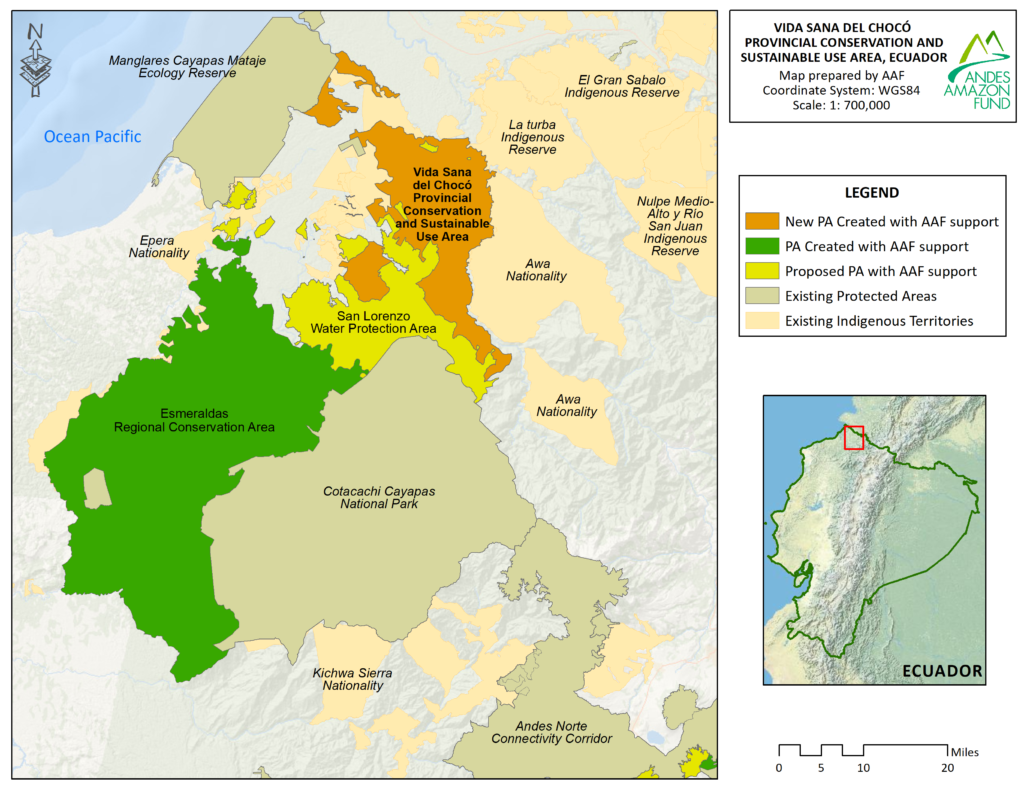
A new milestone for environmental conservation and the safeguarding of local heritage has been reached in the heart of the Ecuadorian Chocó region with the establishment of the “Vida Sana del Chocó” Provincial Conservation and Sustainable Use Area (ACUS) on November, 28, 2025. This new protected territory, located in the San Lorenzo Canton of the Esmeraldas Province, spans 174,175 acres (70,486 hectares) serving as a vital sanctuary in the threatened Ecuadorian Chocó. It safeguards dozens of endangered species including the jaguar (Panthera onca) and the rare black-breasted puffleg hummingbird (Eriocnemis nigrivestis).
Community-Led Stewardship
The Vida Sana del Chocó Conservation Area (which translates to “healthy life to the Chocó”) will directly benefit 44,431 inhabitants who live in or around it, including 11 Afro-Ecuadorian communities, 6 Awa communities, and one Chachi community. By formalizing its status a Conservation and Sustainable Use Area, this community-led initiative strengthens the co-management of lands by Afro-Ecuadorian, Awa, and Chachi local communities, securing vital environmental services.
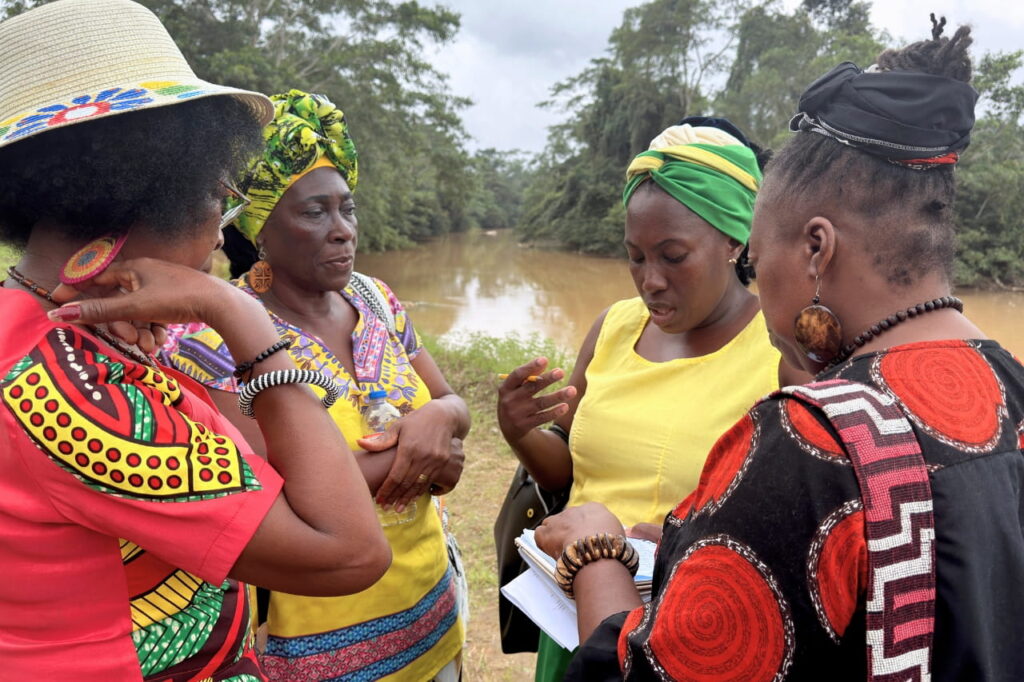
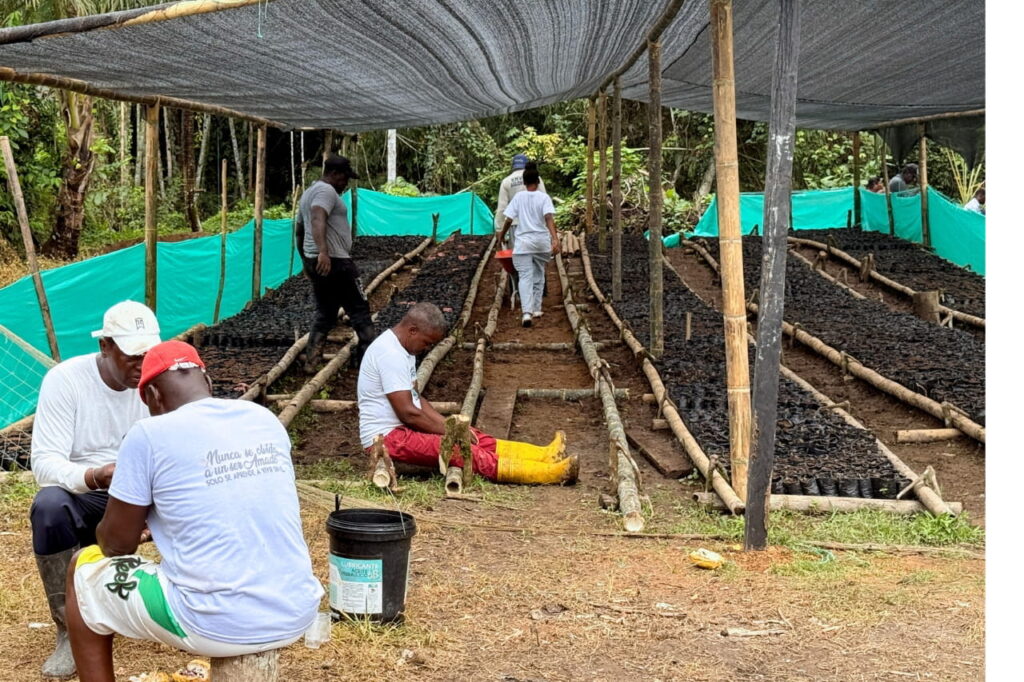
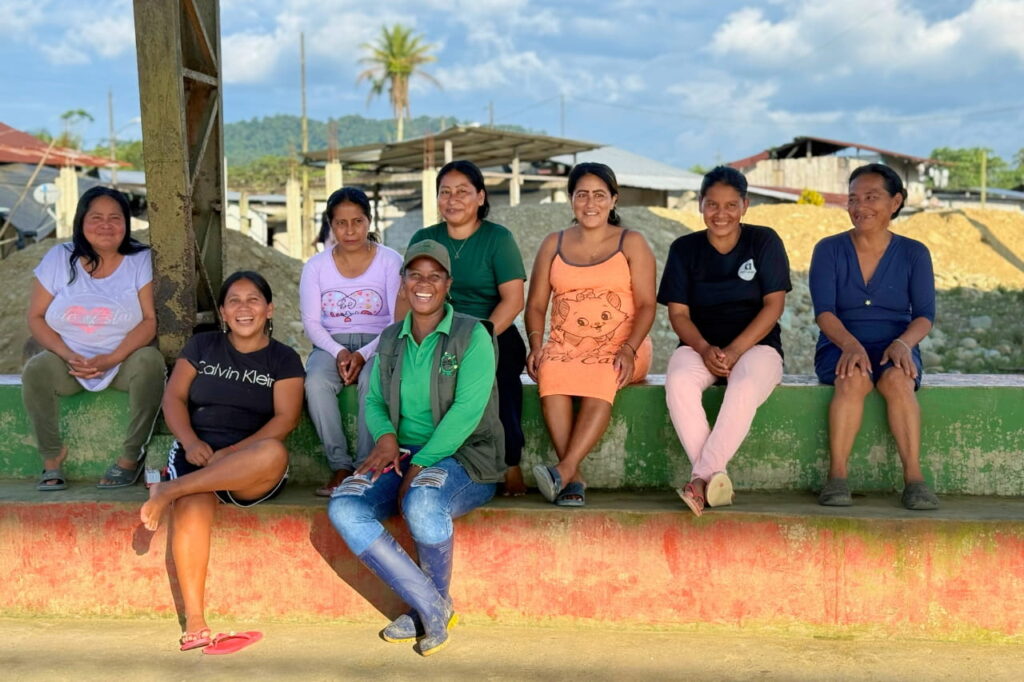
These services include the provision of clean water from the Cayapas, Mataje, and Mira Rivers, the riverine and coastal climate resilience benefits derived from the protection of mangroves which act as a storm water buffer, and the natural fibers derived from the forest for traditional musical instruments such as wooden xylophones.
Hear from those that live in ACUS Vida Sana del Chocó here.
Strengthening the Chocó Conservation Corridor
The “Vida Sana del Chocó” occupies a strategic position on the border with Colombia, filling a critical gap in the Ecuadorian Chocó’s conservation landscape. It sits adjacent to the Manglares Cayapas Mataje Ecological Reserve and “La Chiquita” Wildlife Refuge, creating a contiguous biological corridor that is essential for the migration of wide-ranging species across the lowland Chocó forests and mangroves.
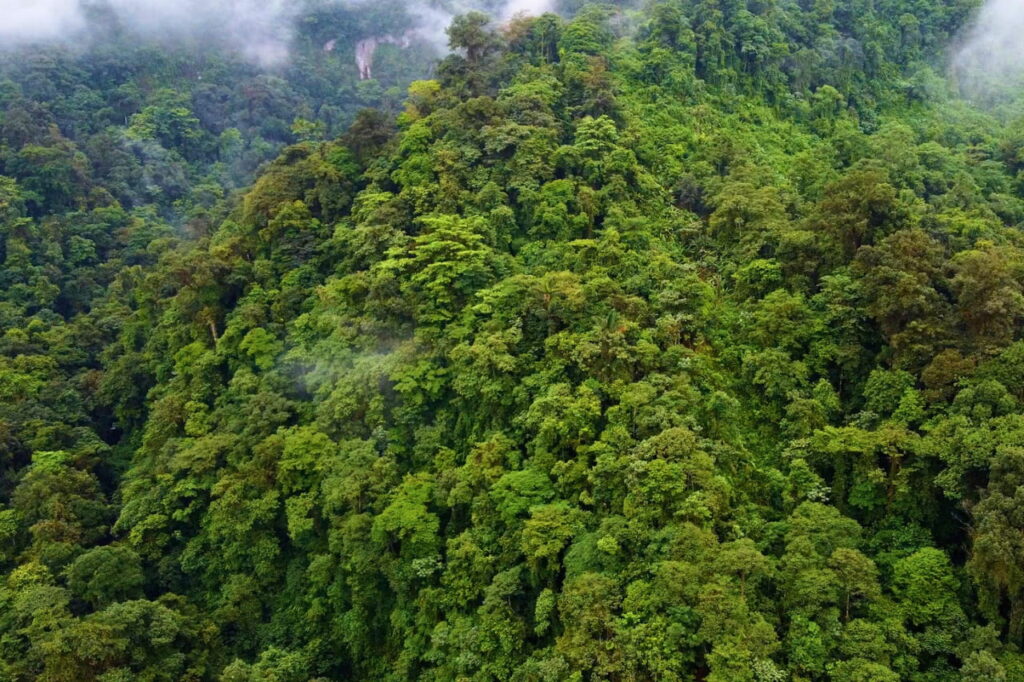
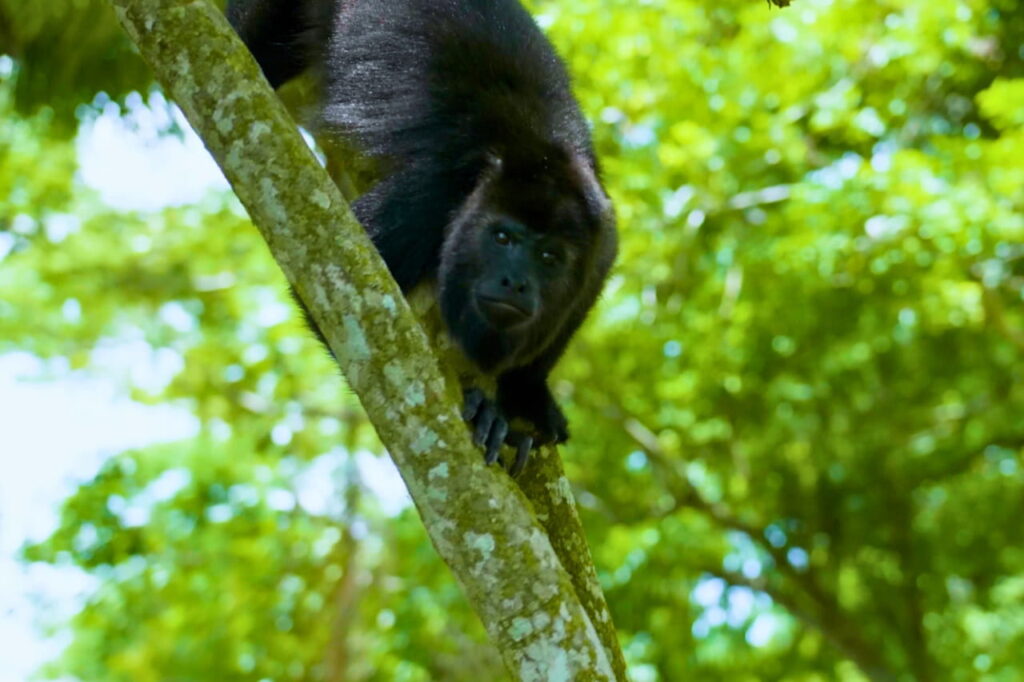
The reserve is home to a staggering array of unique wildlife, including over 200 bird species and dozens of endangered species. Endangered mammals include the neotropical river otter (Lontra longicaudis), bush dog (Speothos venaticus), jaguar (Panthera onca), northern naked-tailed armadillo (Cabassous centralis), derby’s woolly opossum (Caluromys derbianus), and water opossum (Chironectes minimus). Endangered birds include the baudó guan (Penelope ortoni), black-breasted puffleg hummingbird (Eriocnemis nigrivestis), plate-billed mountain-toucan (Andigena laminirostris), and scarlet-breasted dacnis (Dacnis berlepschi), among others. The area is also habitat to eight species of endangered plants.
This designation provides a much-needed defense against mounting threats such as illegal mining, logging, and agricultural expansion. Beyond protection, the area holds immense potential for scientific research, community-based ecotourism, and large-scale forest restoration.
Acknowledgements:
The establishment of the ACUS “Vida Sana del Chocó” was made possible by the Afro-Ecuadorian, Chachi, and Awa communities of San Lorenzo and the leadership of the Government of the Esmeraldas Province and the Municipality of San Lorenzo through Fundación Paisajes Sostenibles (PASOS). Financial support for PASOS was provided by Andes Amazon Fund and Re:wild.
MAKE AN IMPACT
Learn how we can make an impact in our world together. Donate or get involved by subscribing to our email list: