Skip to content
Andes Amazon Fund
  • Impact
    • Impact
    • Overview
    • Grantees
  • Where We Work
    • Where We Work
      • Peru
      • Ecuador
      • Bolivia
      • Colombia
    • Research for Resiliency
  • About
    • About
    • Team
    • Donors
    • Careers
  • News
    • News
    • Subscribe
  • Resources
    • Resources
    • Videos
    • Events
  • Donate
  • Contact
FacebookTwitterLinkedinYoutubeInstagram
Andes Amazon Fund
  • Impact
    • Impact
    • Overview
    • Grantees
  • Where We Work
    • Where We Work
      • Peru
      • Ecuador
      • Bolivia
      • Colombia
    • Research for Resiliency
  • About
    • About
    • Team
    • Donors
    • Careers
  • News
    • News
    • Subscribe
  • Resources
    • Resources
    • Videos
    • Events
  • Donate
  • Contact
December 23, 2022

Cazaderos Reserve Receives Upgraded Status, Meaning Fewer Threats Above and Below Ground

Photo © NCI Ecuador

By Megan MacDowell
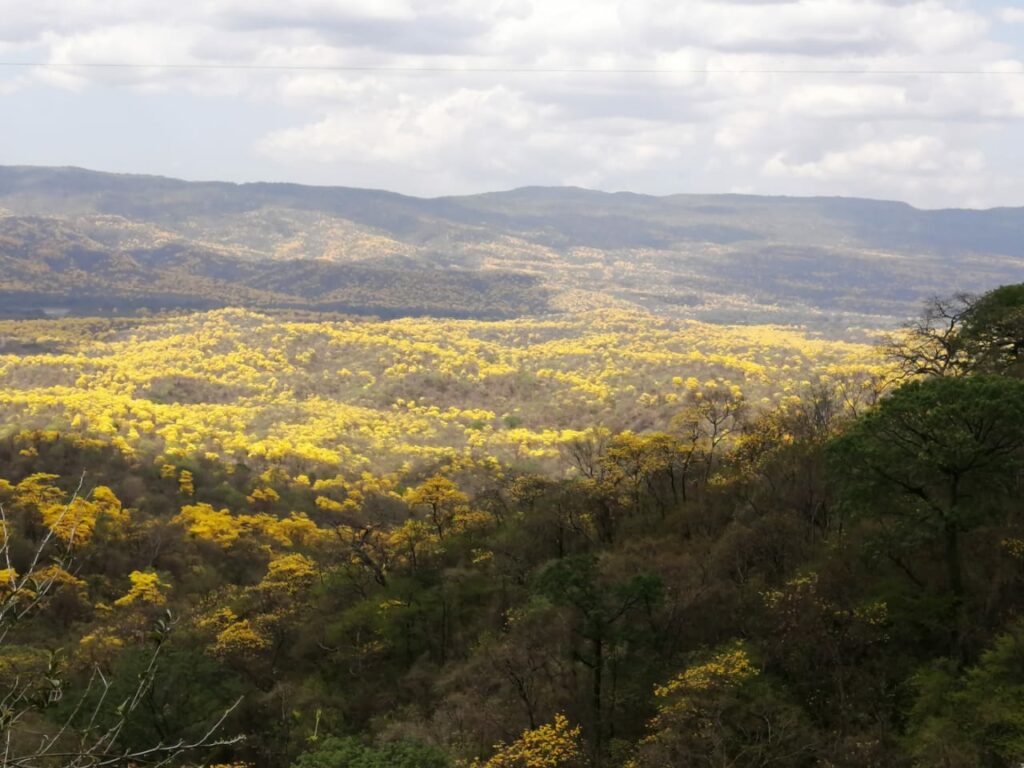
Flowering of the Guayacan trees in the Cazaderos Reserve ©NCI-Ecuador

On November 9th, 2022, the Cazaderos Reserve in the Loja Province of southern Ecuador achieved an upgraded conservation status and joined the National System of Protected Areas (SNAP). The 12,170-acre reserve is part of a unique biological corridor with northern Peru. Cazaderos lies in the better-preserved area of the binational Biosphere Reserve, Bosques de Paz. It also connects with Bosques de Tumbes National Reserve in Peru, forming the most significant binational dry forest corridor on the Pacific coast.
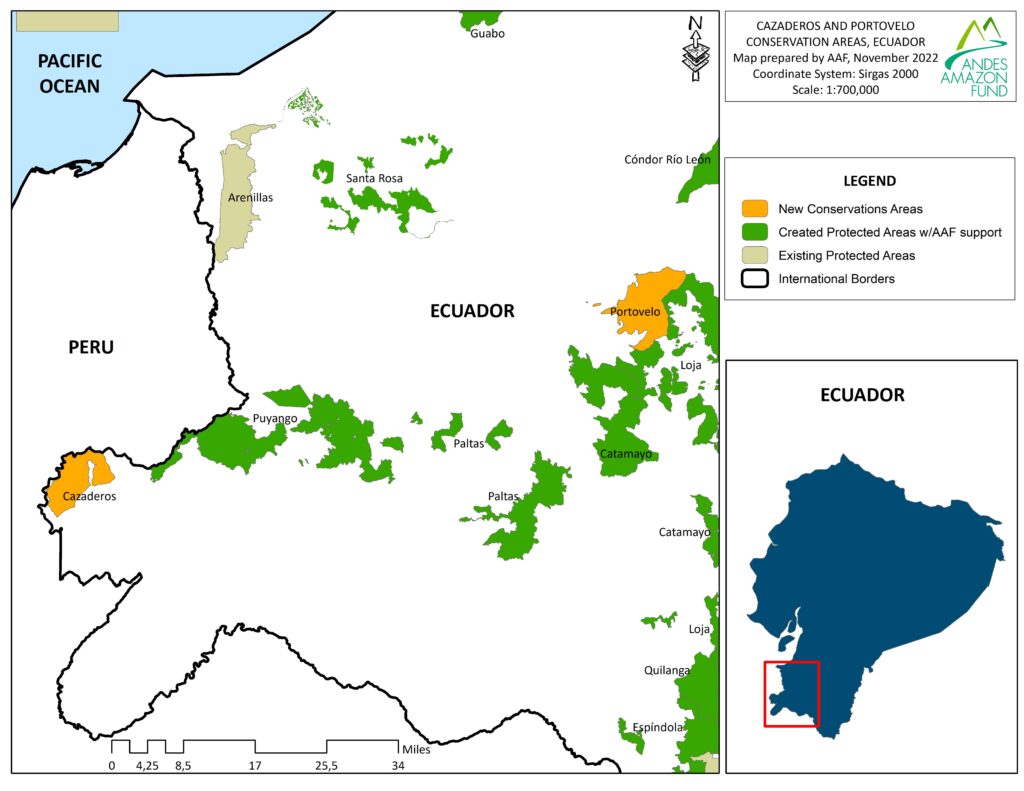
The newly upgraded Cazaderos Reserve can be seen in orange, as well as the newly created Portovelo Municipal Conservation Area nearby. Existing protected areas can be seen in green and tan.

The tropical dry forests of southwestern Ecuador are home to extraordinary biodiversity including plant and animal species found nowhere else in the world. Unfortunately, over 95% of this forest has already been lost to human activity. Safeguarded by local communities, the Cazaderos Reserve is home to many iconic species, including the Mantled howler monkey (Aloutta Palliatta), the American Crocodile (Cocodrilus acutus), the Peccary, and the Boa constrictor in addition to deer, pumas, and many of the most threatened bird species of the region.
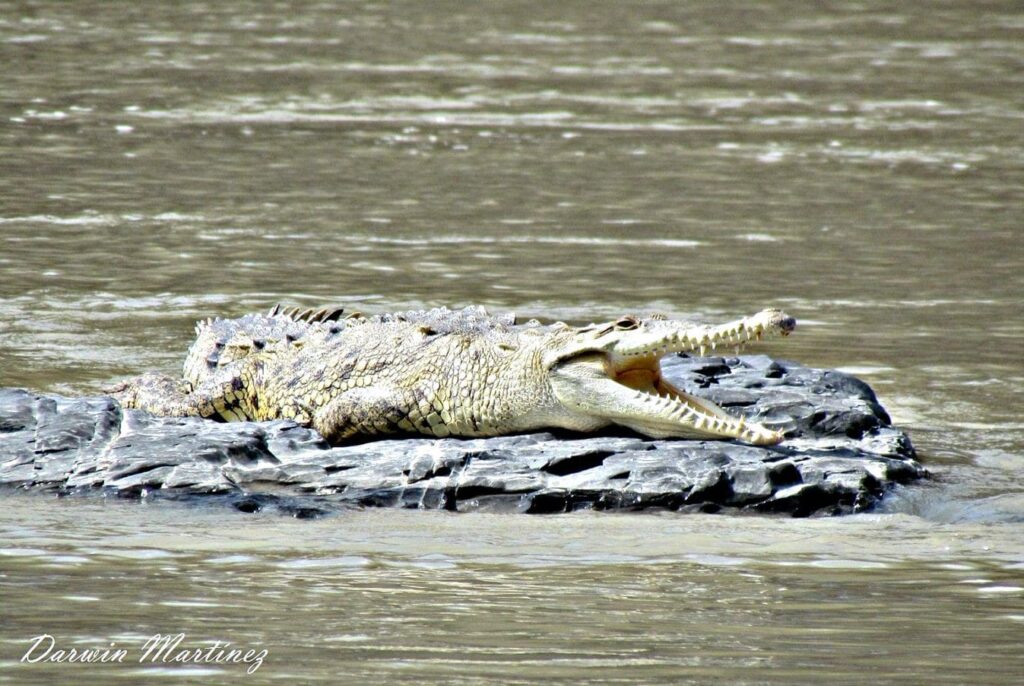
An American Crocodile found in Cazaderos Creek ©Darwin Martinez

Although the Cazaderos Reserve has been privately owned and managed by Nature and Culture International since 2008, the rapid expansion of activities such as agriculture, logging, mining, and hunting left the Reserve under threat. Inclusion in the National System of Protected Areas affords more robust protection, including prohibiting future mining concessions or other extraction of resources from the subsoil. 
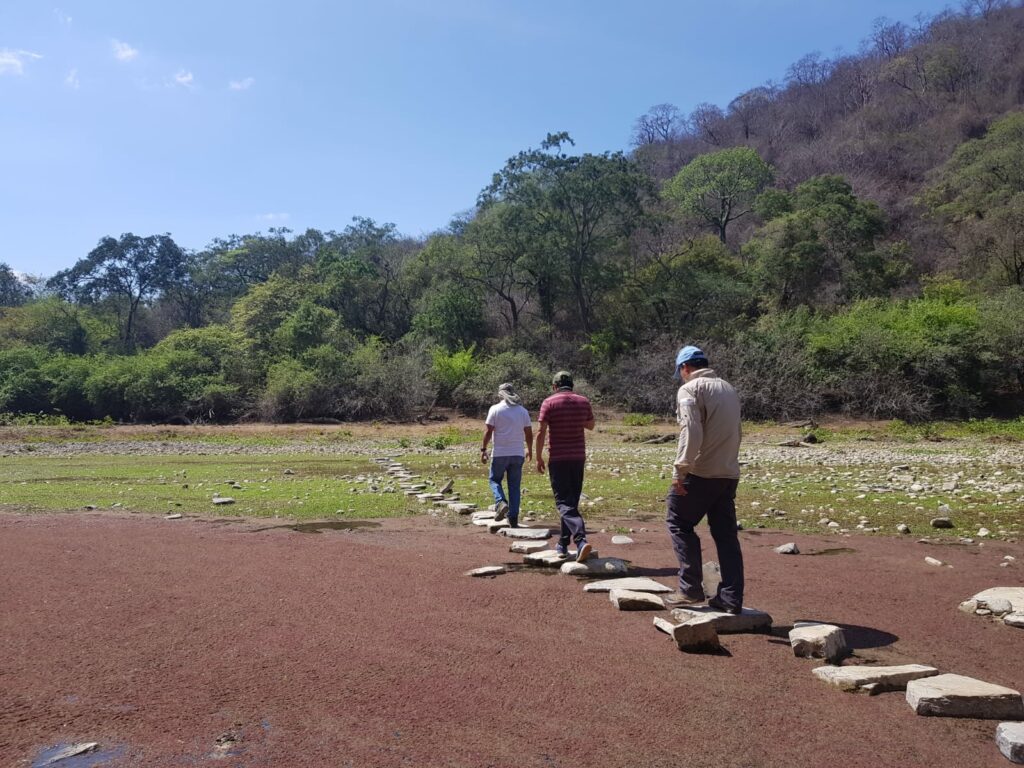
The Cazaderos Reserve joins a binational corridor with Peru of tropical dry forests ©NCI-Ecuador

Acknowledgments

The Cazaderos Reserve achieved the highest level of protection thanks to the National System of Protected Areas of the Ministry of Environment, Water, and Ecological Transition of Ecuador (MAATE) in collaboration with Nature and Culture International- Ecuador.

Learn more from our partners at Nature and Culture International

Read the case study from NCI

Posted in Biodiversity, Country, Ecosystem, Ecuador, News, Sustainability, Type of Conservation
Share this

MAKE AN IMPACT

Learn how we can make an impact in our world together. Donate or get involved by subscribing to our email list:

* indicates required

Latest News

  • Bolivia’s Palos Blancos Municipality Establishes New Protected Area to Safeguard Endangered Cloud Forest Species March 5, 2026
  • New Gran Paitití de Mapiri Municipal Park and Integrated Natural Management Area Protects Incan Ruins and Improves Connectivity in the Amazon-Andes Transition of La Paz, Bolivia January 26, 2026
  • Newly Created Los Palmares de Villa Nueva and Guardián Amazónico Pacahuara Protected Areas Enhance Connectivity of Amazonian Forests in Pando, Bolivia January 21, 2026
  • Nueva York Private Conservation Area Granted to Kukama-Kukamiria Indigenous People in the Peruvian Amazon November 22, 2025
  • Huacaya Guaraní Indigenous Government Establishes Serrania de Mandiyurenda Protected Area in Bolivia’s Chaco-Andes Interface November 21, 2025

Make an impact

Learn how we can make an impact on our world together.

Donate or Get Involved
 

Make an impact.

Learn how we can make an impact on our world together.

Donate or Get Involved
a: 1759 1/2, R St NW #200, Washington, DC 20009
e: info@andesamazonfund.org
Impact Report
  • Impact
  • Overview
  • Where We Work
  • Grantees
  • Resources
  • Research for Resiliency
  • About
  • Team
  • Donors
  • News
  • Subscribe
  • Donate
  • Contact

© 2026 Andes Amazon Fund | Privacy Policy | Sitemap | Website by Yoko Co

Scroll To Top