
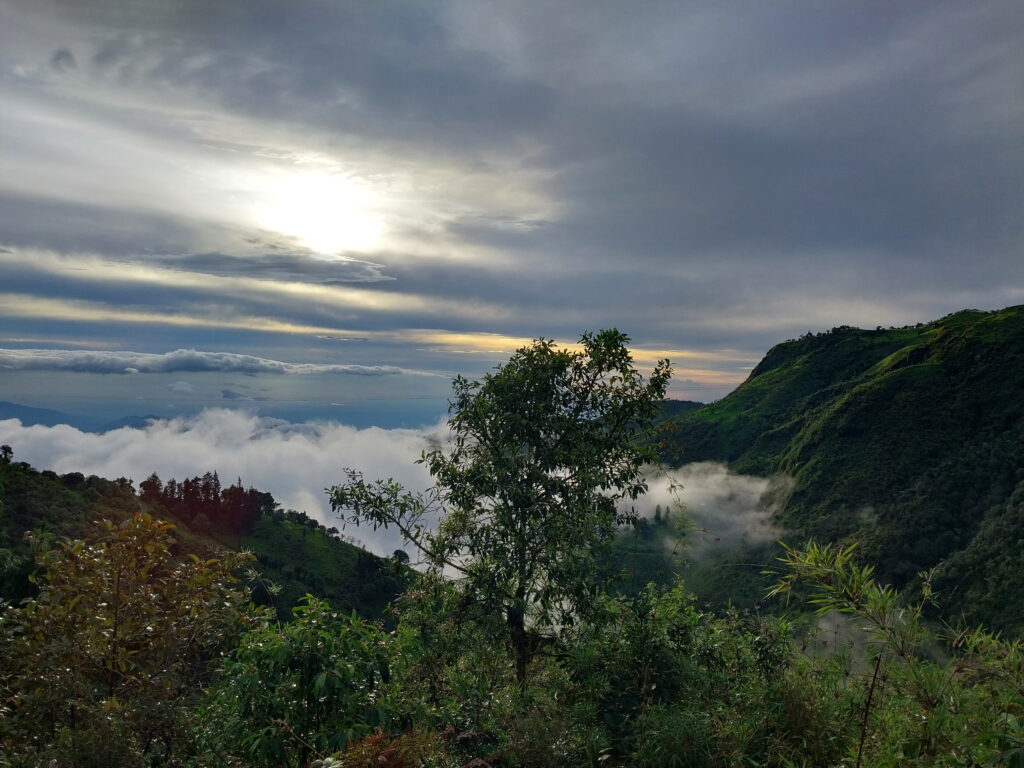
The area spans an altitudinal gradient between 130 feet and 13,000 feet above sea level and enhances ecological connectivity with surrounding conservation units.
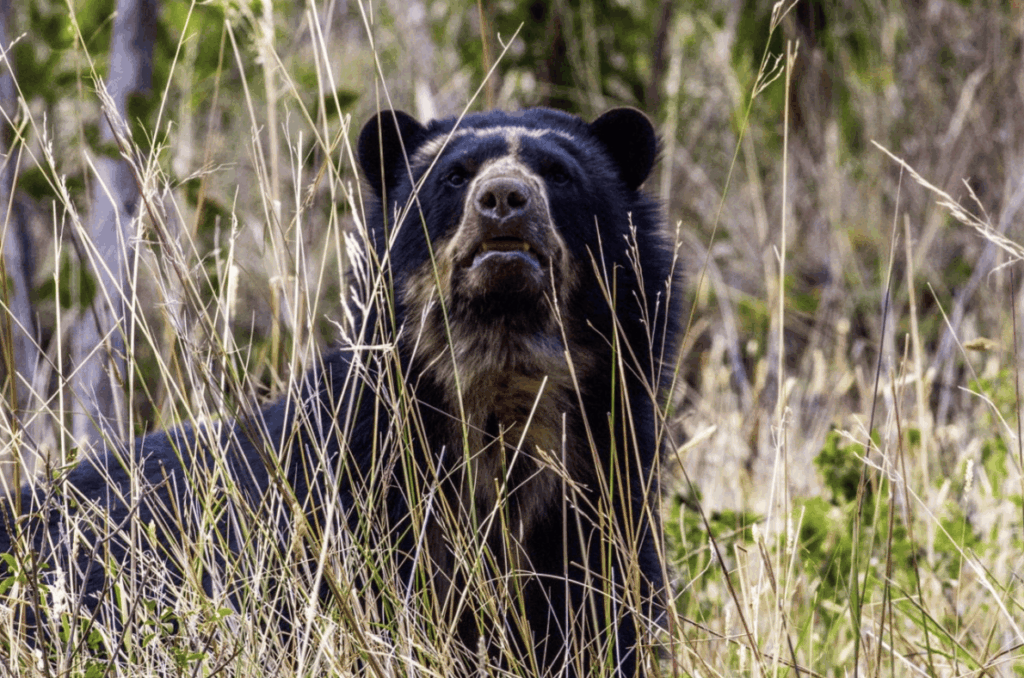
The majority of the area’s territory is made up of high-altitude wetlands and montane cloud forests which are critical habitats for emblematic and endangered species.
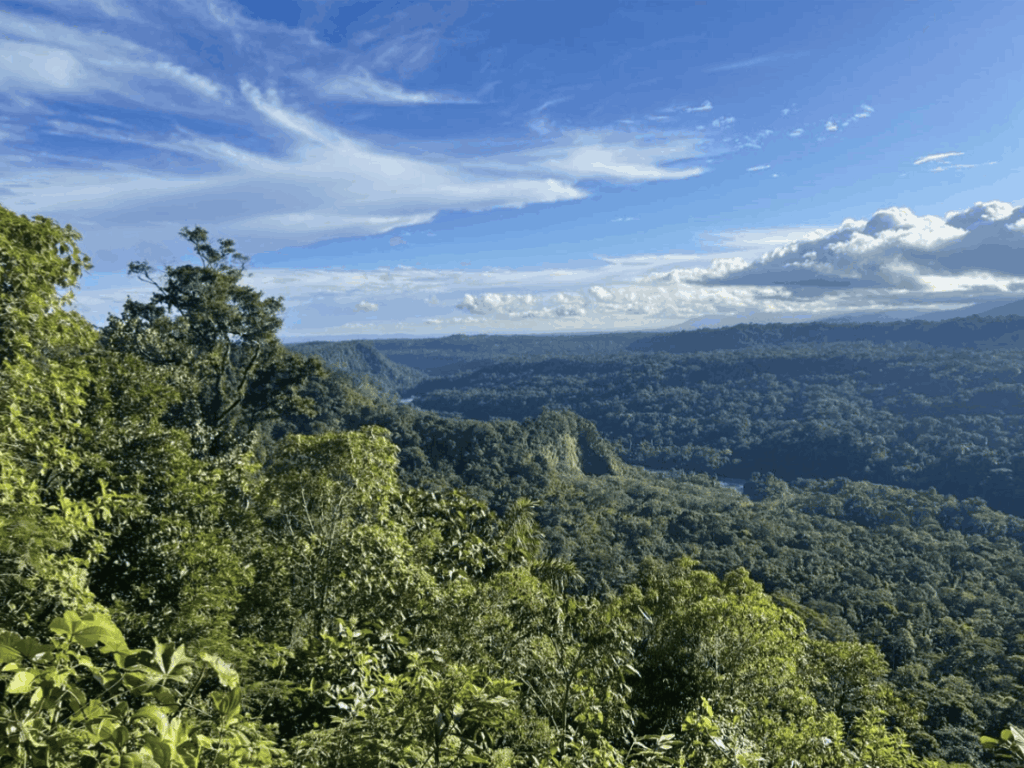
The San José de Dahuano Municipal Conservation Area conserves 64,547 acres (26,121 hectares) of tropical rainforest and Andean foothill ecosystems in Orellana, Ecuador.
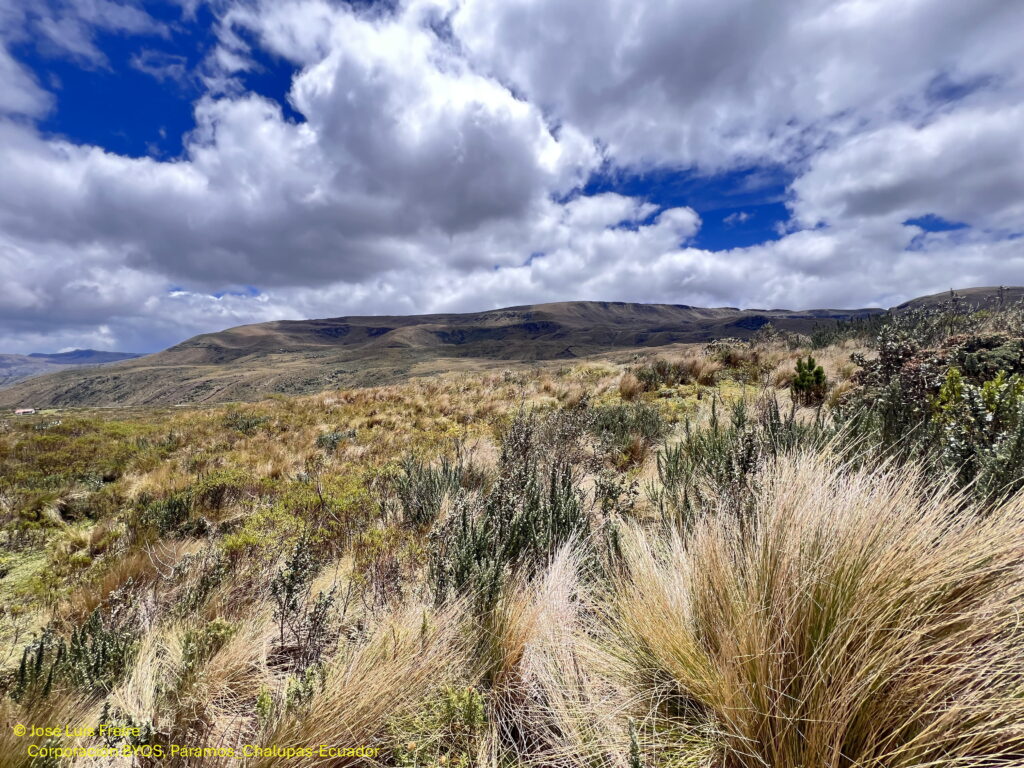
Its montane forests and high-altitude páramo grasslands act as a natural sponge which soaks up rain and releases it back into the ecosystem in a controlled manner.
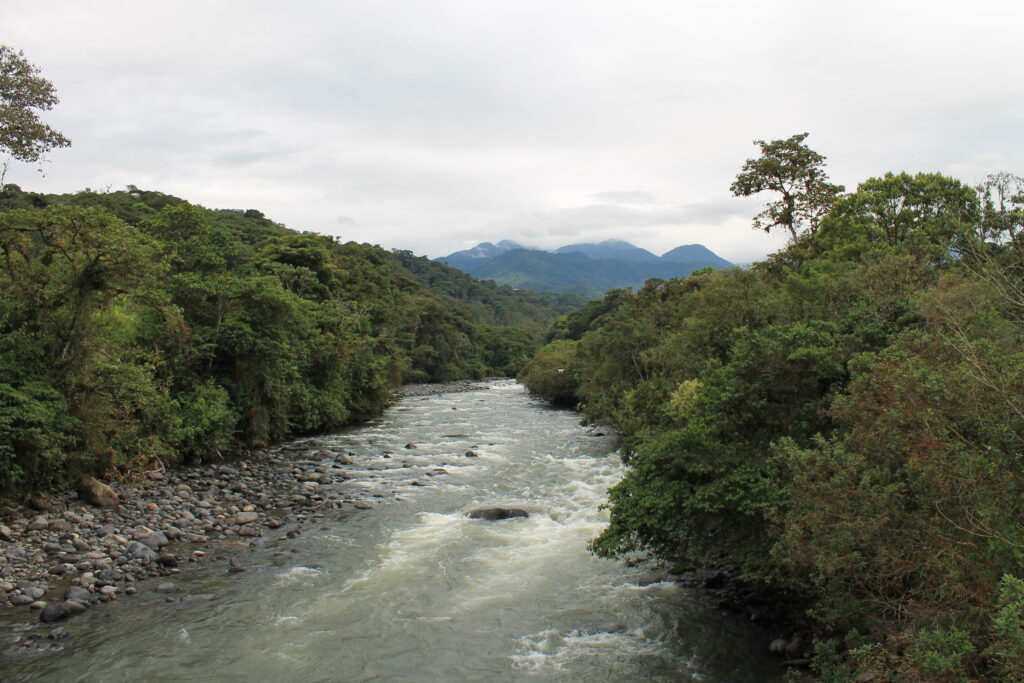
The creation of the Quijos Conservation and Sustainable Use Area (ACUS) in Napo ensures the long-term preservation of a critical Andean-Amazon corridor within the Sumaco Biosphere Reserve.
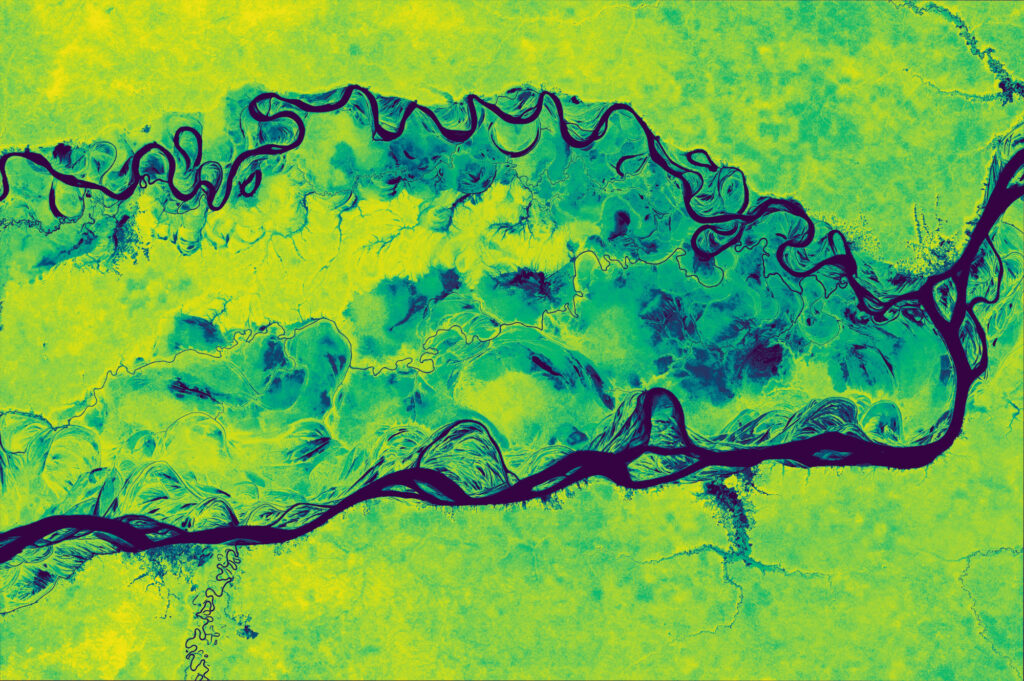
Fusing satellite and ground sensors in a biome-wide network, the initiative leverages robust, AI-powered techniques to answer Amazonian decision-makers’ most critical conservation questions—accurately, cost-effectively, and in near-real time.
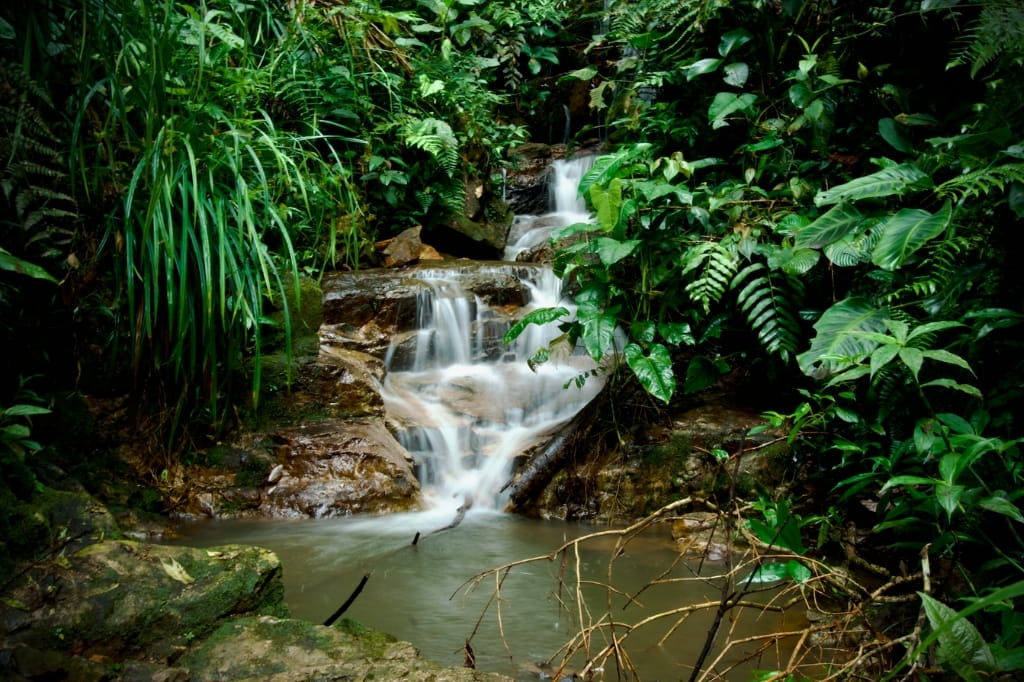
Protecting Runahurco means securing water for thousands of families while safeguarding one of the most threatened raptors in the Andes-Amazon transition zone.
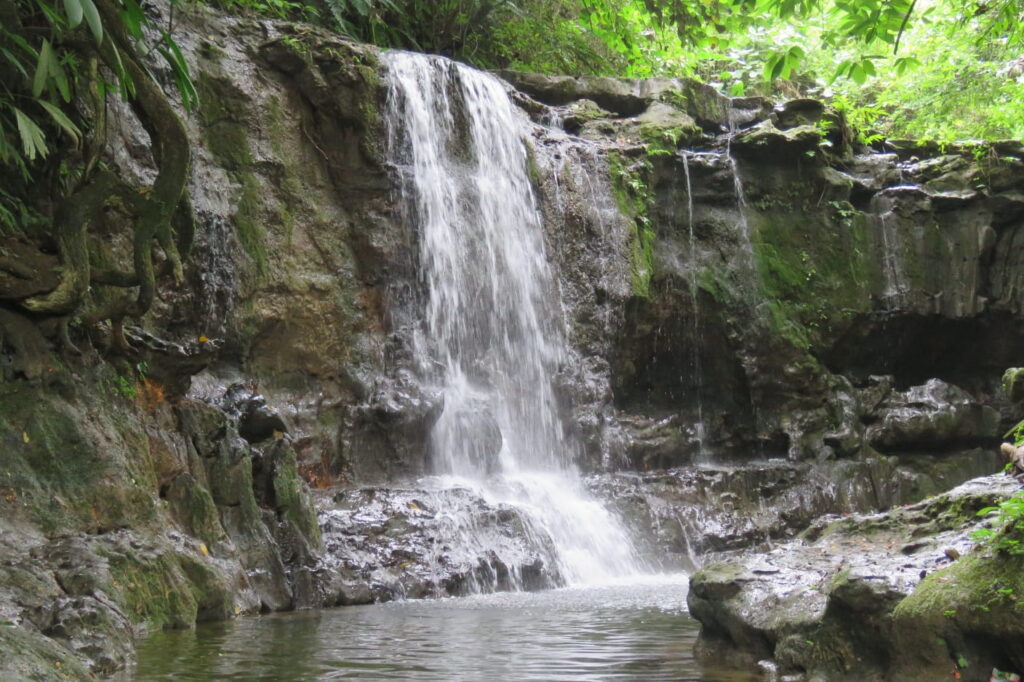
The new national-level protected area safeguards 64,863 acres (26,249 hectares) of rivers and water sources surrounded by biodiverse tropical forests in Ecuador’s coast.
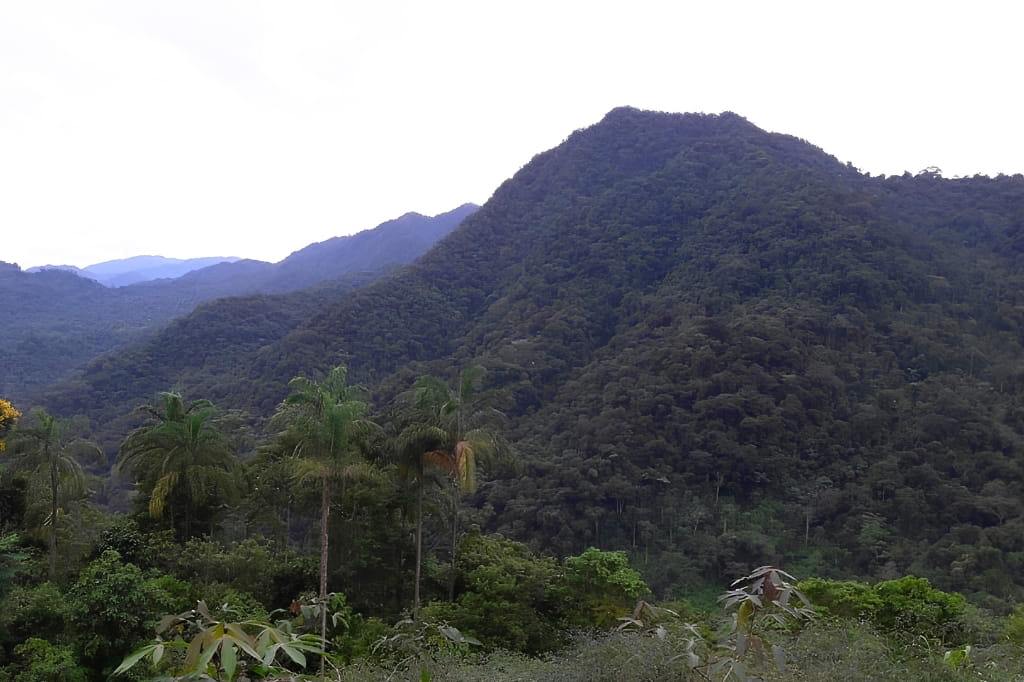
This biodiverse landscape of montane and cloud forest has been upgraded from a temporary “Reserved Zone” to a permanent national-level Protected Area.
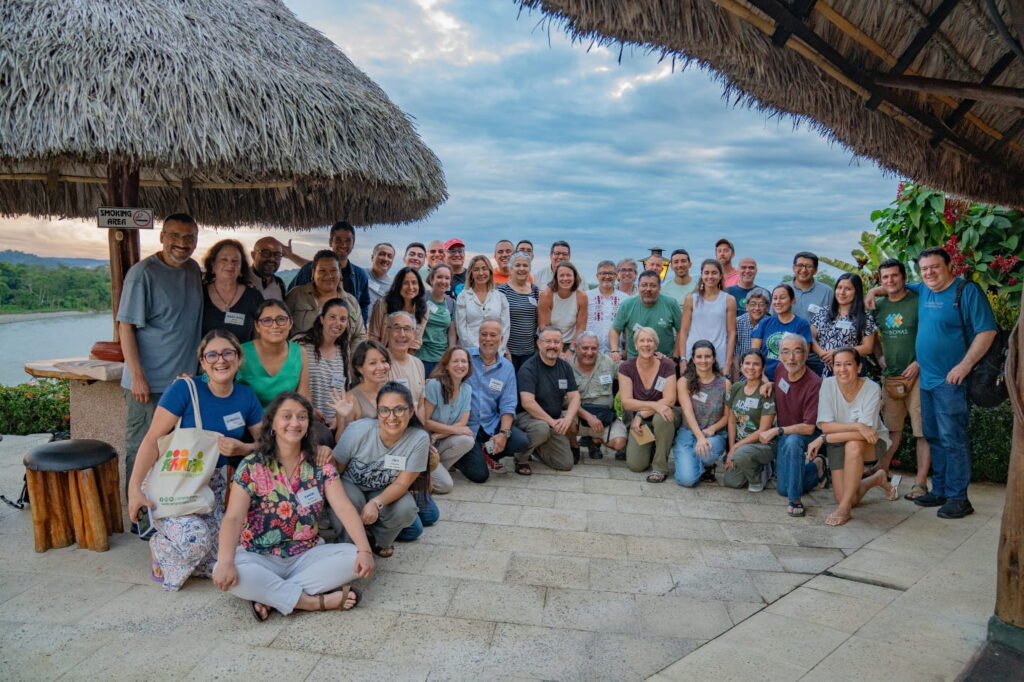
Amid the cobalt-winged parakeets and spiny walking palms of the Ecuadorian Amazon, 50 participants representing 15 organizations gathered in Napo, Ecuador for Andes Amazon Fund’s third annual Institutional Strengthening workshop.