
Written by Margarita Medina Müller
Between late September and mid-November 2025, a deeply enriching experience for conservation management in Peru took place: the training of personnel in charge of Regional Conservation Areas (RCA) in the implementation of technologies for the surveillance and monitoring of biodiversity. More than just a course, it was a space for meeting, shared learning, and capacity building, with an eye on a common goal: to better care for our territories and the biodiversity they harbor.
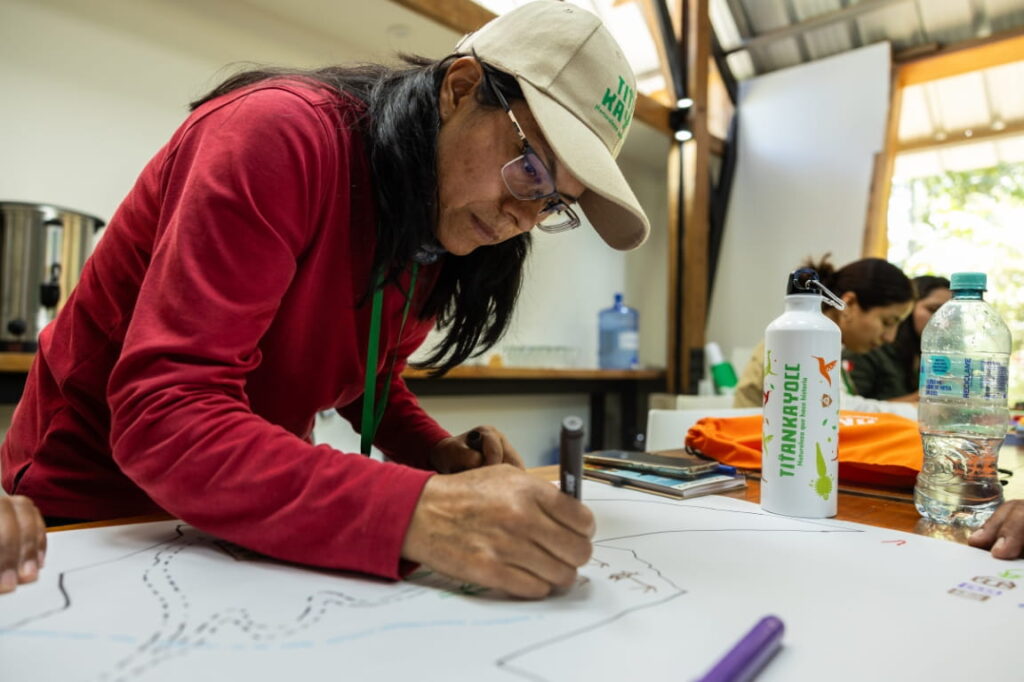
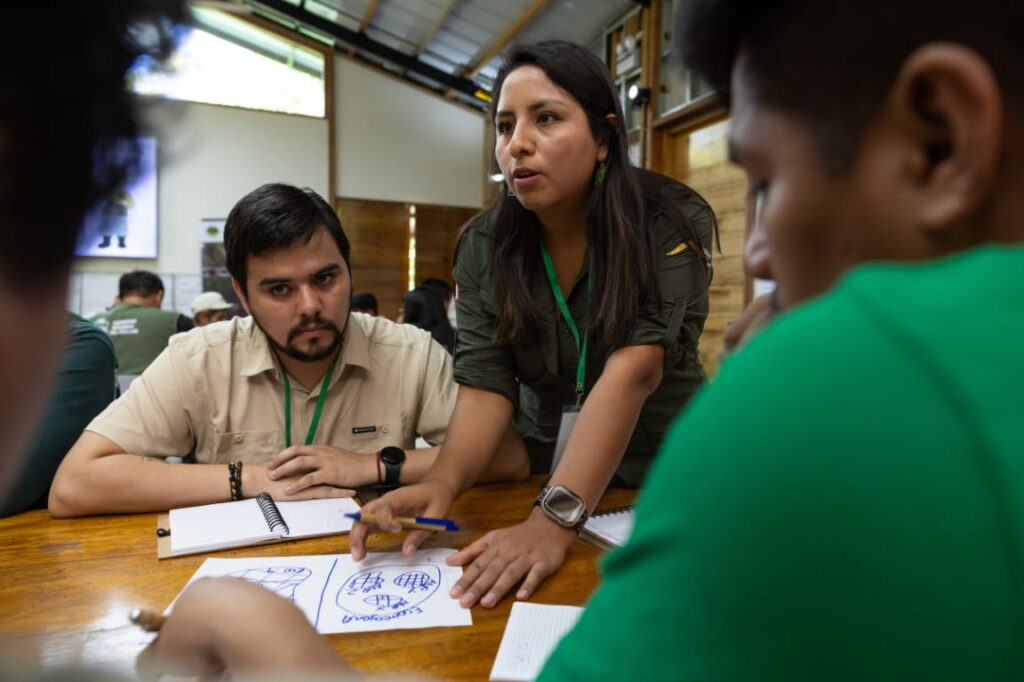
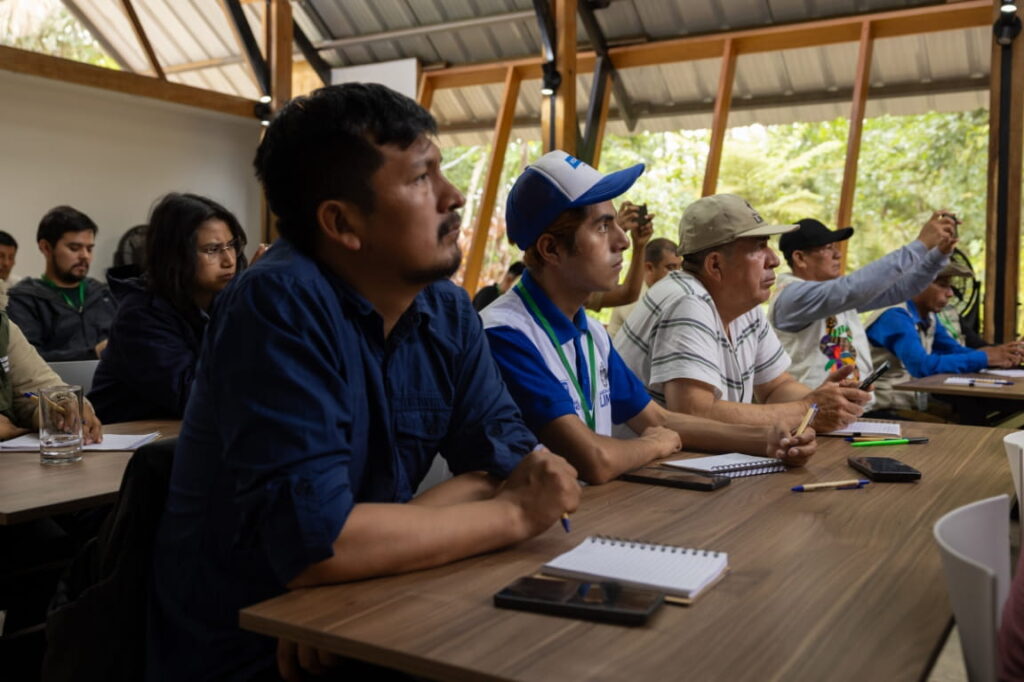
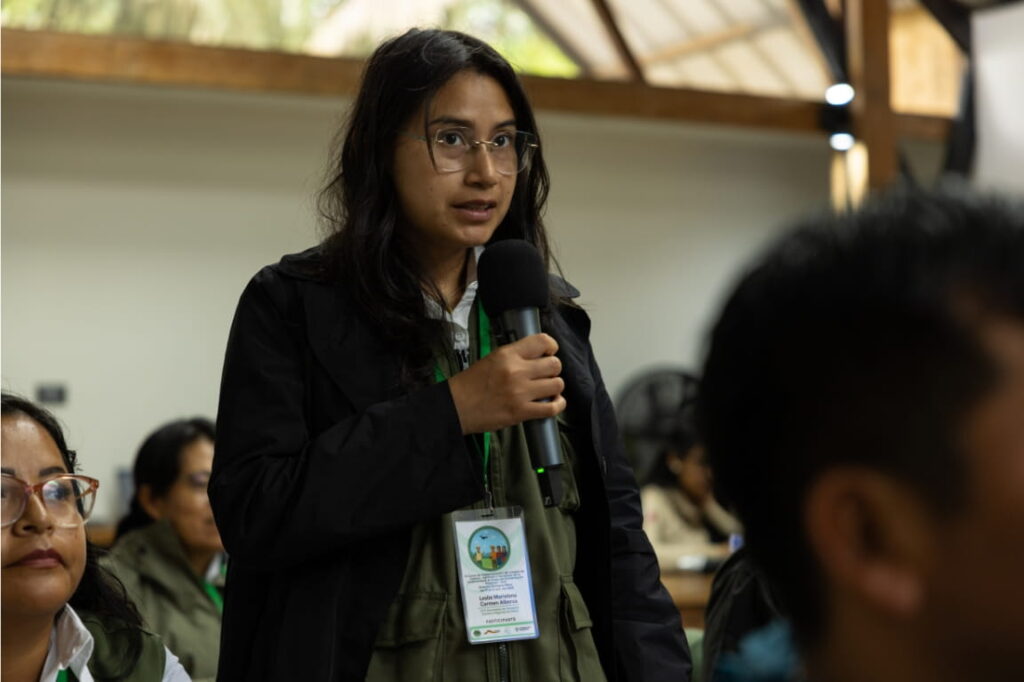
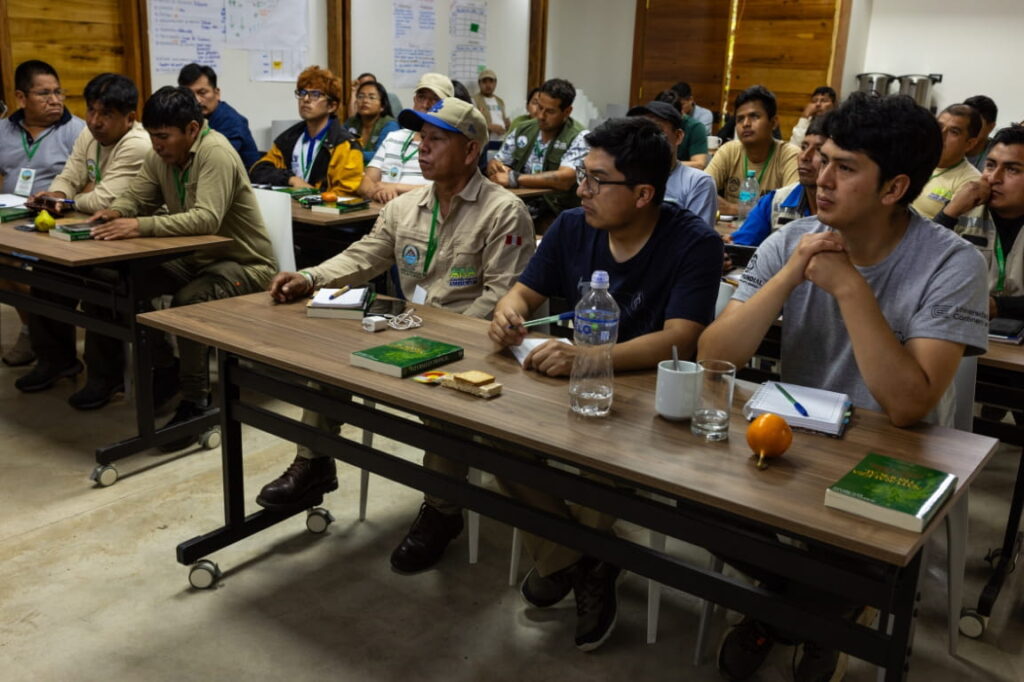
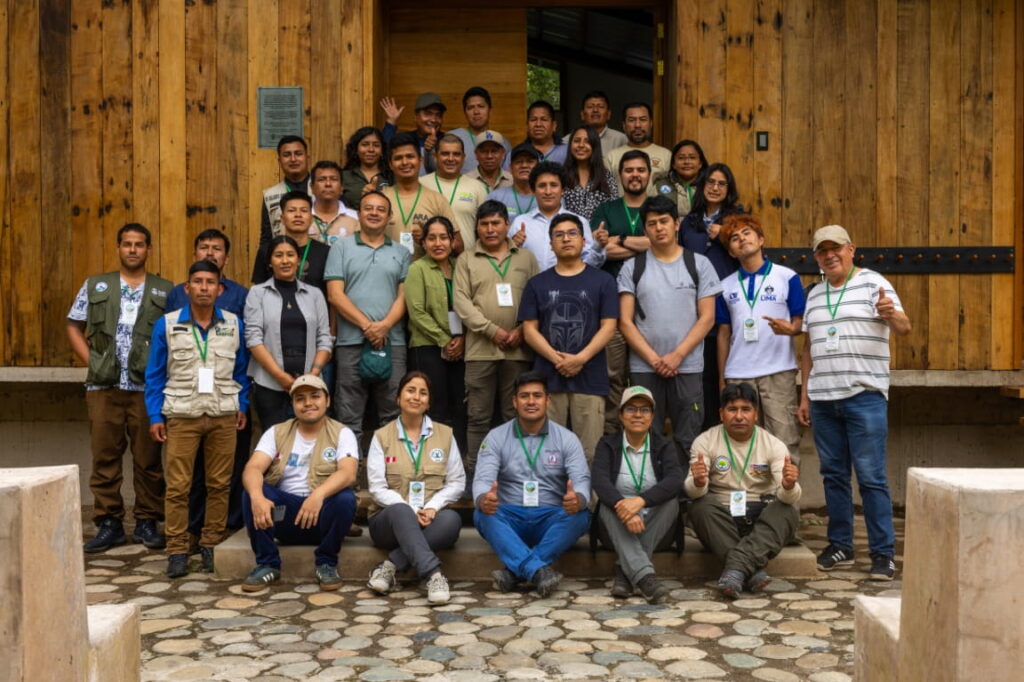
Throughout this period, three iterations of a theoretical-practical course were held in which representatives from 32 Regional Conservation Areas participated, organized into three different groups. Each group, coming from different corners of Peru, arrived with their own experiences, realities, and challenges, but all shared the same enthusiasm for learning new tools to improve their daily work in the field and the management of their areas.
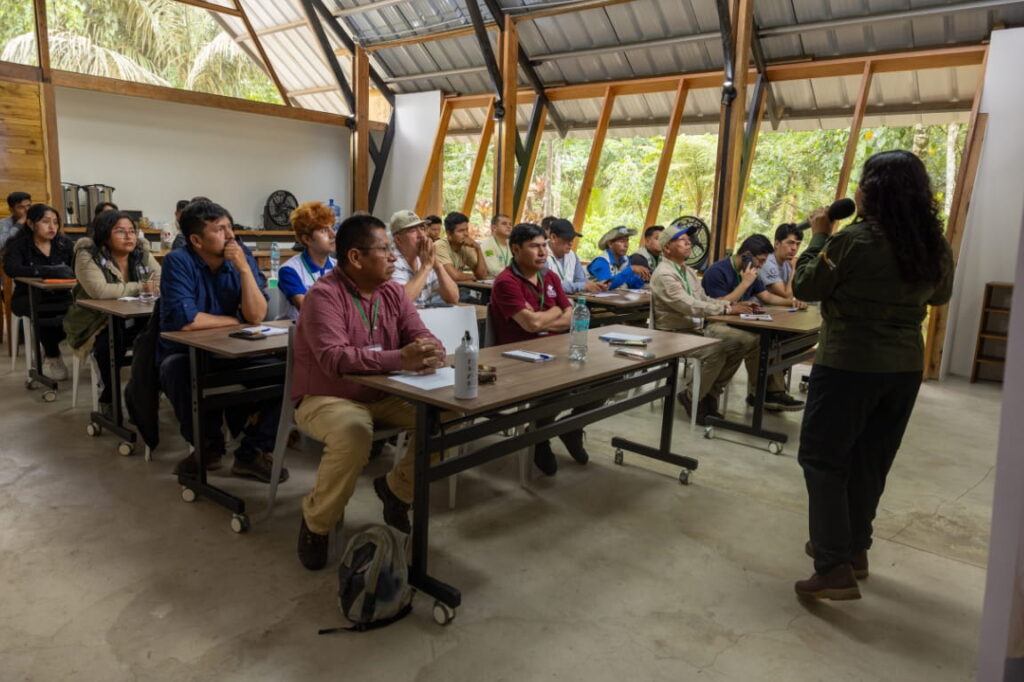
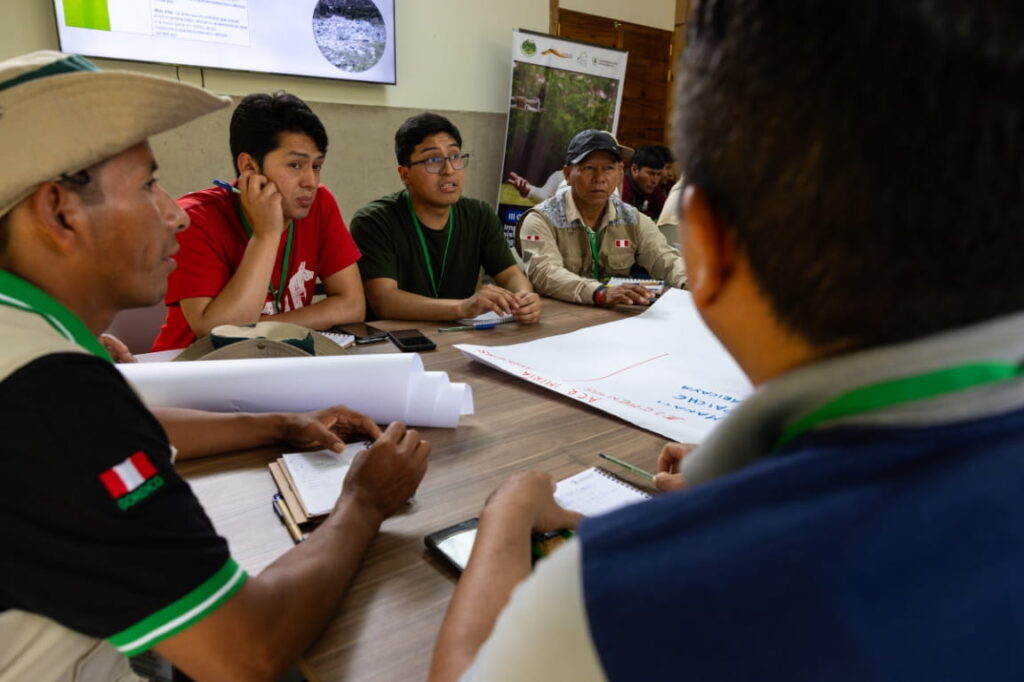
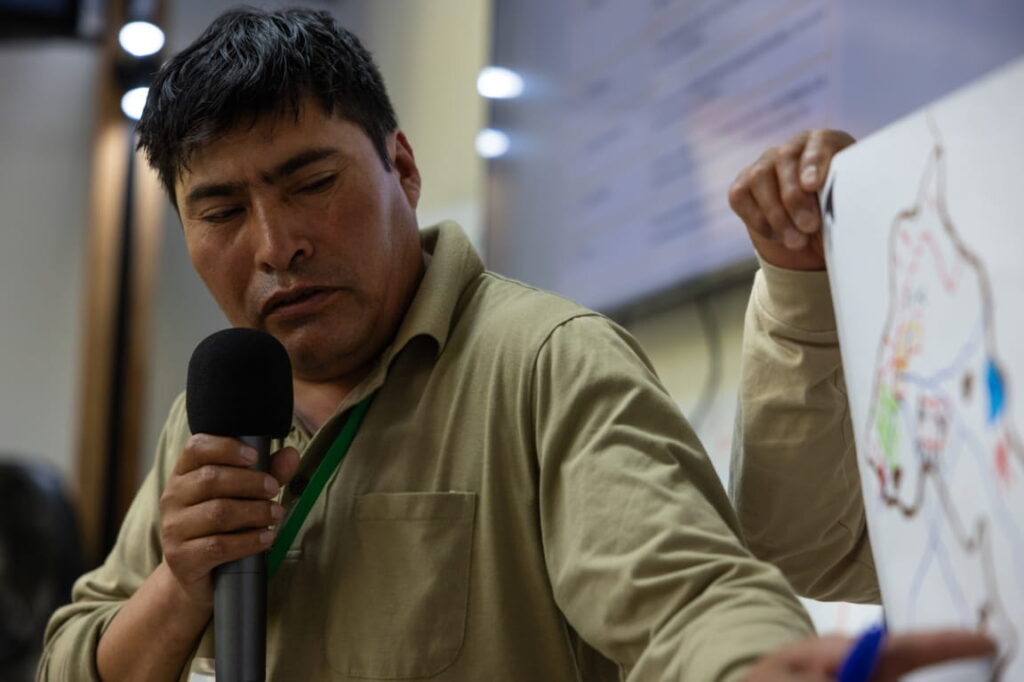
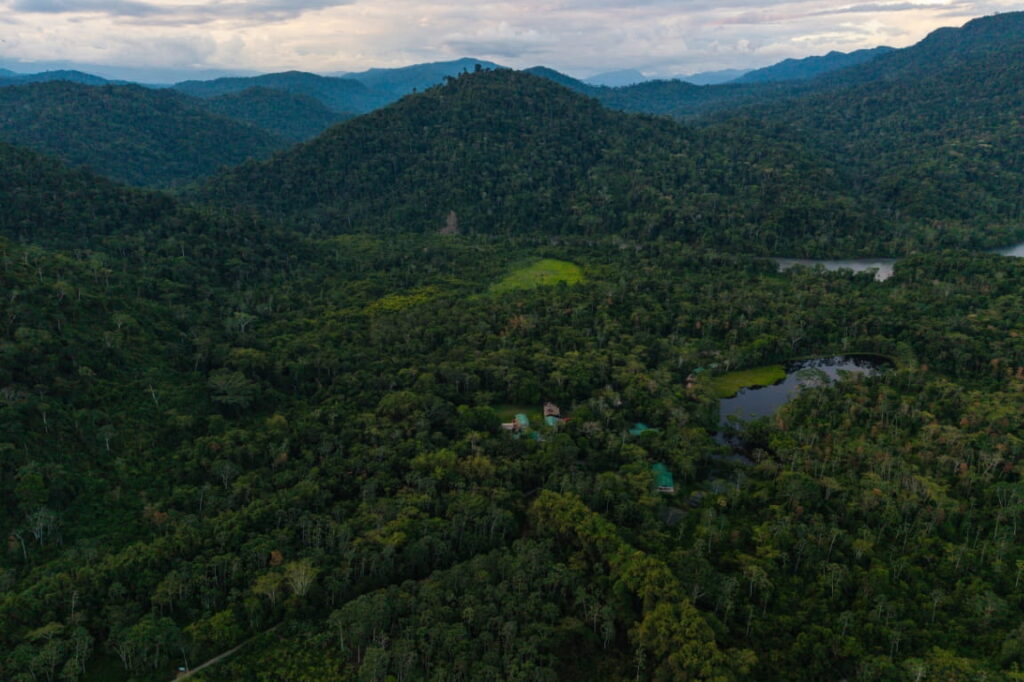
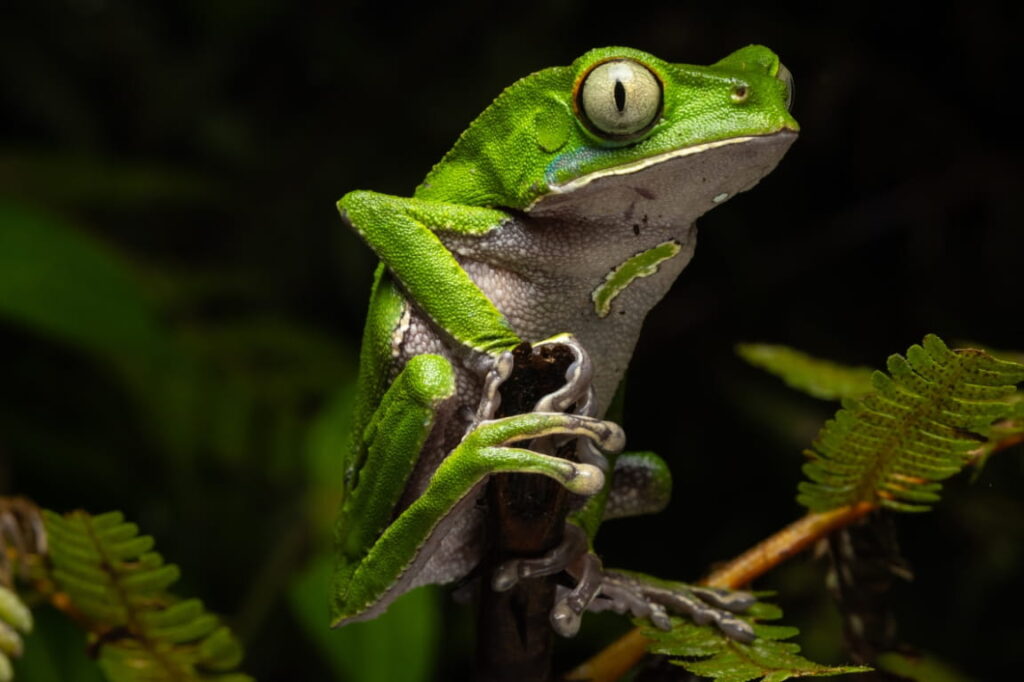
This training process was organized by Peru’s Regional Conservation Area Network (RCA Network), led by the Regional Government of Cajamarca, with the support of the National Service of Natural Protected Areas (SERNANP), Conservación Amazónica – ACCA, and the Andes Amazon Fund (AAF), with funding from the Jacobs Futura Foundation. The course took place at the Manu Biological Station, also known as ManuBio, located in the buffer zone of Manu National Park at 480 meters above sea level. This environment, surrounded by a living and vibrant Amazon rainforest, became an exceptional classroom. For many of the attendees, it was their first time visiting the Amazon, which made the experience transcend the academic and transform into an unforgettable memory, filled with wonder and a connection not only to the nature they seek to protect but also to the other participants who brought with them stories, challenges, and a deep love for their territories, which soon intertwined into collective learning.
Technical Knowledge for the Frontlines of Conservation
During the course, participants learned to use the Spatial Monitoring and Reporting Tool (SMART) application for data collection during patrols and biodiversity monitoring, as well as for recording threats within the RCAs. Additionally, technical proficiency was enhanced in the preparation of management progress reports for the areas, a key tool for informed decision-making and accountability.
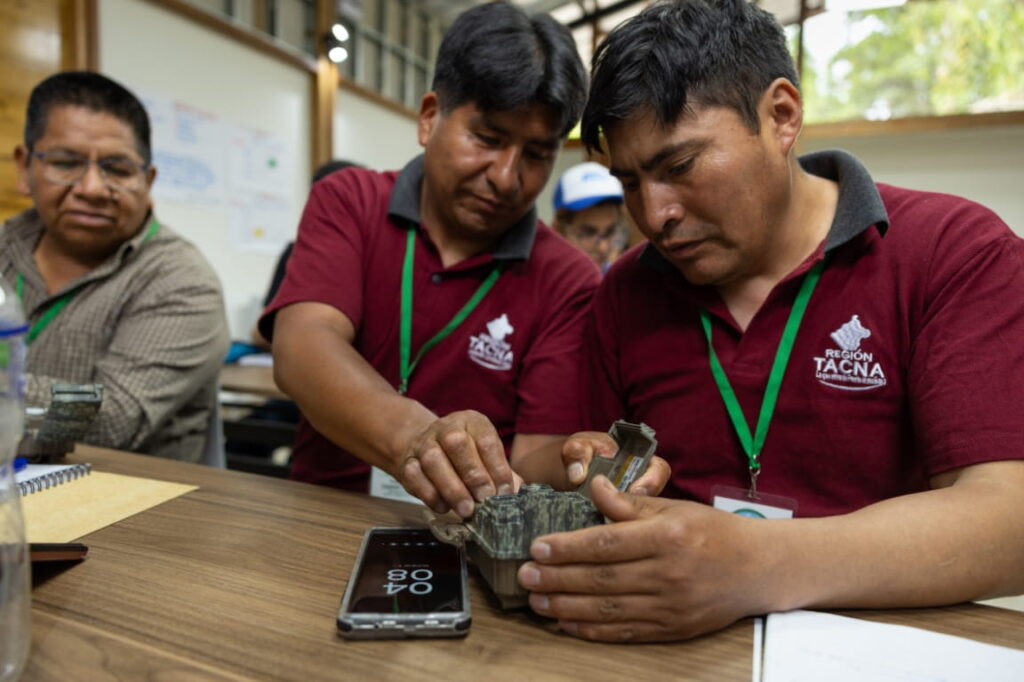
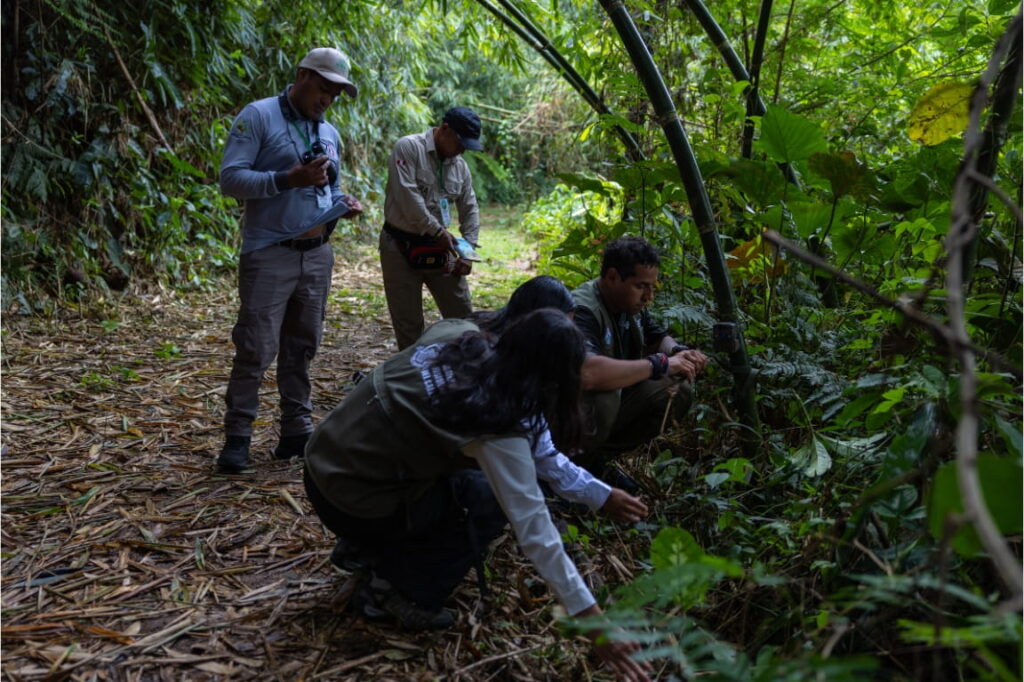
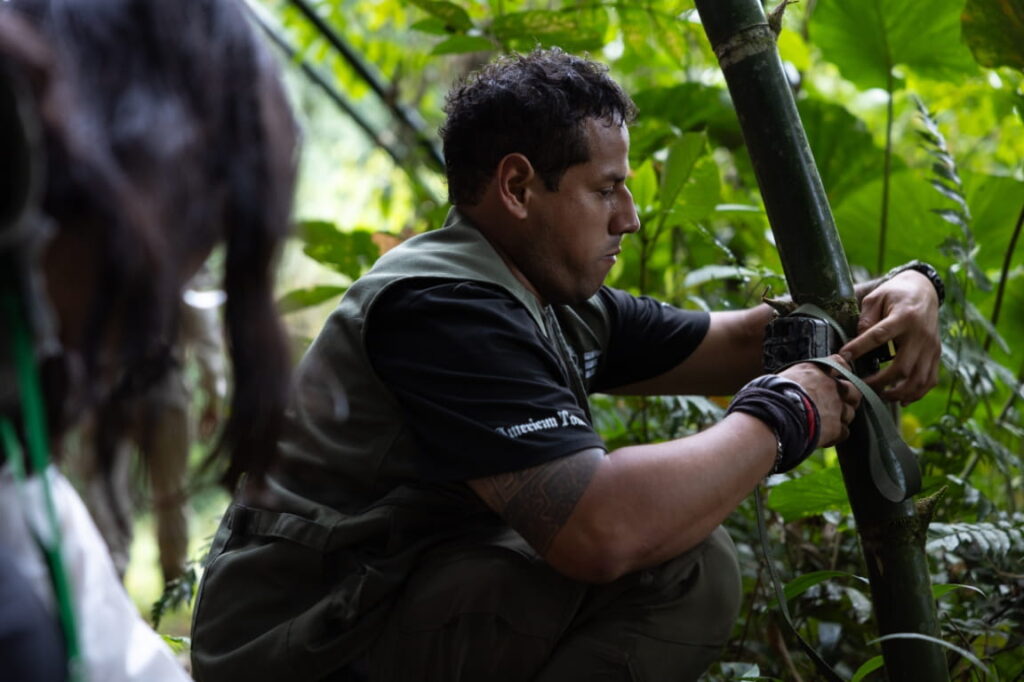
The classroom learning was complemented by practical activities such as the installation of camera traps, the use of the SMART app on trails, and piloting drones—technologies that open new possibilities for more efficient and secure surveillance. Likewise, participants were taught about various satellite monitoring platforms that can be utilized according to the conservation objectives, size, and realities of each area.
Beyond the tools and technical knowledge, the most valuable aspect was the exchange between people committed to conservation from different corners of the country. The shared workdays, the conversations at the end of the day, and the collective learning strengthened the human network that sustains the new RCA Network of Peru. It reaffirmed that technology, when combined with vocation, local experience, and teamwork, can become a great ally for conservation. Everyone returned to their regions not only with new technical knowledge but with renewed motivation and a broader perspective on the diversity and fragility of the country’s ecosystems.
Strengthening the RCA network
The goal that unites all participants is clear: to apply these technologies in their Regional Conservation Areas to improve management, strengthen surveillance, and protect biodiversity more effectively. But what remains, beyond the lessons learned, is the certainty that when knowledge, technology, and human commitment are combined, conservation becomes a shared and deeply hopeful task.
The lived experience in the Amazon not only imparted new knowledge but also motivation, inspiration, and the certainty that investing in people is one of the best ways to conserve our natural heritage.
The RCA Network, just established in 2024, not only allowed for the sharing of experiences between different regions but also created a space of trust, collaboration, and shared vision, where common needs transform into concrete actions. With the organization of these courses, the Network reaffirmed itself as a fundamental platform for growing together, sharing lessons, and advancing conservation processes in a coordinated manner.
But beyond the educational value, the creation of the RCA Network has opened a powerful path: that of working together, learning together, and building a more solid, effective, and humane regional conservation. As stated by Daryl Briones, Coordinator of the Network and Deputy Manager of Natural Resources and Protected Areas of the Regional Government of Cajamarca, “the challenge is to improve the management of the RCAs, and we will not achieve it if we do not have a general vision as a country”. This is what the Network aims for: a shared and integrated perspective among all regions of Peru, with the necessary capacities to protect it.
MAKE AN IMPACT
Learn how we can make an impact in our world together. Donate or get involved by subscribing to our email list: